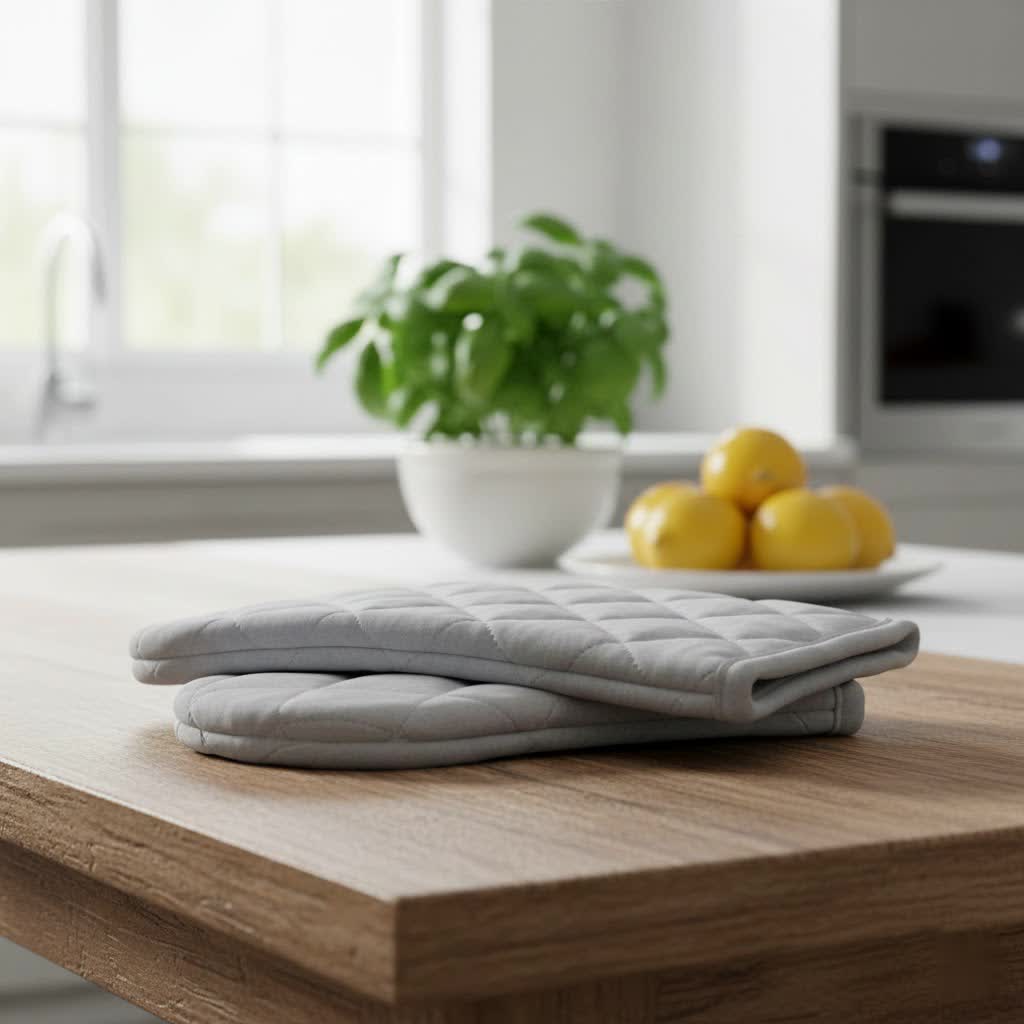
Stepping into a bustling kitchen, whether you’re a seasoned chef or a home cooking enthusiast, often involves navigating hot surfaces, scorching pans, and bubbling casseroles. The thrill of creating culinary masterpieces can quickly turn into a painful memory with an accidental burn. That’s where a reliable set of oven mitts becomes your culinary superhero, offering essential protection and confidence. But with countless options available, how do you choose the right set to keep your hands and forearms safe? This comprehensive guide will explore the different types, crucial buying criteria, and top recommendations to help you find the perfect set of oven mitts for your kitchen.

Exploring the Popular Types of Oven Mitts
The market offers a diverse range of oven mitts, each crafted from different materials designed to provide varying levels of heat resistance, flexibility, and grip. Understanding these differences is key to making an informed choice for your cooking style.
Cotton Oven Mitts
Cotton oven mitts are the classic choice, familiar to many home cooks for their traditional feel and affordability. Often made from thick cotton canvas or denim, these mitts offer a soft, comfortable experience.
- Pros: Generally inexpensive and widely available, cotton mitts come in a vast array of colors and patterns, easily matching any kitchen decor. They offer good flexibility, allowing your hands to conform around handles and dishes, which can provide a secure grasp, especially on smaller items. Many cotton mitts are also machine washable, making cleanup straightforward after spills.
- Cons: Their heat resistance is typically lower compared to other materials, often rated around 200°F, and can pass heat quickly after only a few seconds. They are also prone to absorbing liquids, which can compromise their insulating properties and even lead to steam burns. Overly padded versions might feel bulky and stiff.
Silicone Oven Mitts
Silicone oven mitts have surged in popularity due to their exceptional heat resistance and practical features. These mitts are usually made entirely of food-grade silicone or feature a silicone exterior with a fabric lining.
- Pros: Silicone excels in heat protection, with many models capable of withstanding temperatures up to 500-600°F, allowing you to hold hot items for extended periods. They are inherently waterproof, making them ideal for handling steaming pots or wet dishes, and are incredibly easy to clean—most can be simply wiped down, hand-washed, or even placed in a dishwasher. The textured surfaces often found on silicone mitts provide an excellent non-slip grip, crucial for securely holding heavy or slippery cookware.
- Cons: While highly protective, some silicone mitts can be less flexible or feel stiffer than their cotton counterparts, potentially reducing dexterity. A loose fit in some designs can also lead to a less secure grip. Pure silicone mitts can also cause hands to sweat due to their non-breathable nature.
Neoprene Oven Mitts
|
Our Picks for the Best Oven Mitts in 2026
As an Amazon Associate I earn from qualifying purchases.
|
||
| Num | Product | Action |
|---|---|---|
| 1 | BPA-Free Soft Silicone Oven Mitts - Ultra Heat Resistant Oven Mitts with Thick Cotton Liner - Extra Long Slip Resistant Pot Holders, Flexible Oven Gloves - Aqua/Black 14.7" |

|
| 2 | KITCHENAID Ribbed Soft Silicone Oven Mitt 2-Pack Set, 7.5"x13", Milkshake |
|
| 3 | BPA-Free Silicone Oven Mitts Ultra Heat Resistant up to 500°F - Oven Mitts with Thick Cotton Liner - Long Slip Resistant Pot Holders, Flexible Oven Gloves - Black 13.7" |
|
| 4 | BPA-Free Soft Silicone 4 Piece Oven Mitts & Trivets Set - Ultra Heat Resistant Oven Mitts with Thick Cotton Liner - Long Slip Resistant Pot Holders, Flexible Oven Gloves - Aqua |
|
| 5 | KITCHENAID Ribbed Soft Silicone Oven Mitt 2-Pack Set, 7.5"x13", Blue Willow |
|
| 6 | KITCHENAID Ribbed Soft Silicone Oven Mitt 2-Pack Set, 7.5"x13", Beet |
|
| 7 | The Ove Glove - Superior Heat & Flame Hand Protection - Pack of 2 Oven Mitts |
|
| 8 | KITCHENAID Ribbed Soft Silicone Oven Mitt 2-Pack Set, 7.5"x13", Bird of Paradise |
|
| 9 | KITCHENAID Ribbed Soft Silicone Oven Mitt 2-Pack Set, 7.5"x13", Aqua Sky |
|
| 10 | KITCHENAID Ribbed Soft Silicone Oven Mitt 2-Pack Set, 7.5"x13", Blue Velvet |
|
Neoprene, a synthetic rubber, offers a compelling balance of flexibility and heat resistance, often found in professional-grade kitchenware.
- Pros: Neoprene mitts provide good heat resistance, though generally not as high as the top-tier silicone options, while maintaining better flexibility than many rigid silicone mitts. They are also resistant to water and oils, making them easy to clean and resilient against common kitchen spills. Many come with comfortable inner linings and offer a dependable grip.
- Cons: While durable, they might not be suitable for the absolute highest temperatures, such as those encountered in intense grilling or commercial ovens, without exercising additional caution.
Aramid Fabric (Nomex/Kevlar) Oven Mitts
For serious heat protection, especially in grilling or industrial settings, oven mitts made from aramid fibers like Nomex and Kevlar are often the go-to choice. These materials are known for their use in fire-resistant gear.
- Pros: These mitts offer extreme heat resistance, often handling temperatures up to 540°F or even 650°F, making them exceptionally safe for handling items from very hot ovens or grills. They are incredibly durable and built to withstand rigorous use over time. Some designs feature individual finger slots, providing superior dexterity akin to gloves.
- Cons: Aramid fabric mitts typically come with a higher price tag due to their specialized materials and construction. They may also be less aesthetically varied than cotton or silicone options, with a more utilitarian appearance.
Your Essential Buying Guide for Oven Mitts
Choosing the perfect set of oven mitts involves more than just picking a color. Consider these key factors to ensure safety, comfort, and functionality in your kitchen.
Heat Resistance
The primary function of an oven mitt is to protect your hands from heat. Determine the typical temperatures you work with. For everyday baking and roasting, mitts rated for at least 400°F are recommended. If you frequently grill, use high-temperature ovens, or engage in professional cooking, look for mitts offering 500°F or higher resistance. Always check the manufacturer’s specified maximum temperature rating.
Material
As discussed, the material significantly impacts performance.
- Silicone: Best for high-temperature resistance, waterproof protection against steam and liquids, and easy cleaning. Ideal for handling heavy, hot, or potentially wet dishes.
- Cotton/Fabric: Offers comfort and flexibility for everyday tasks at moderate temperatures. Look for thick, well-padded cotton, possibly with silicone accents for improved grip and slightly higher heat protection.
- Neoprene: A great middle-ground, providing good flexibility, heat resistance, and resistance to oils and water.
- Aramid (Kevlar/Nomex): Unparalleled for extreme heat and durability, often preferred for grilling or very high-temperature baking.
Length and Coverage
Beyond just your hands, your forearms are also vulnerable to burns, especially when reaching into deep ovens or maneuvering large roasting pans.
- Longer mitts (13-15 inches or more): Offer crucial forearm protection, preventing accidental contact with hot oven racks or splashes. These are highly recommended for comprehensive safety.
- Mini mitts: While handy for small items or quick grabs, they offer limited protection and should be used with caution for larger or hotter tasks.
Fit and Dexterity
An oven mitt should fit comfortably, not too loose to compromise grip, and not too tight to restrict movement.
- Snug fit: Generally provides better control and dexterity. Some mitts are designed with a more form-fitting shape.
- Flexibility: The ability to easily bend your hand and fingers is vital for securely grasping various cookware shapes, from narrow pan handles to wide baking dish rims.
- Mitten vs. Glove style: Traditional mitts offer a single pocket for fingers and a separate thumb. Glove-style mitts (with individual finger slots) provide superior dexterity but can be bulkier.
Grip
A secure grip is paramount to prevent dropping hot dishes. Look for features that enhance traction.
- Textured surfaces: Silicone mitts often feature raised patterns, ridges, or checkerboard textures that significantly improve grip, even on wet or greasy surfaces.
- Rubberized accents: Cotton mitts might include silicone or rubberized patterns on the palm and fingers for added slip resistance.
Ease of Cleaning
Kitchen mitts inevitably get dirty. Consider how easily they can be cleaned.
- Machine washable: Many cotton mitts and some silicone-lined options can be tossed in the washing machine, offering convenient cleanup.
- Wipe clean: Pure silicone mitts are typically wipe-clean only, which is quick but might require more effort for stubborn grease.
Durability
A good set of oven mitts is an investment in your safety. Look for robust construction, reinforced seams, and high-quality materials that will withstand frequent use without degrading quickly.
Comparing the Different Types of Oven Mitts
To help you decide, here’s a quick comparison of the most common types:
| Type of Oven Mitt | Pros | Cons | Typical Heat Resistance |
|---|---|---|---|
| Cotton | Affordable, comfortable, flexible, wide range of designs, often machine washable | Lower heat resistance, absorbs liquids, can be bulky | Up to 200°F (briefly) |
| Silicone | Excellent heat resistance, waterproof, easy to clean, superior grip | Can be stiff, less flexible than cotton, may cause hand sweat | 500°F – 650°F |
| Neoprene | Good balance of flexibility and heat resistance, water/oil resistant, good grip, easy to clean | Not for extreme high heat (e.g., intense grilling) | Up to 400°F – 500°F |
| Aramid (Kevlar/Nomex) | Extreme heat resistance, highly durable, often glove-like dexterity | Higher cost, less aesthetic variety | 540°F – 650°F |
Top-Rated Oven Mitts to Consider
Based on expert testing and user reviews, several oven mitt sets consistently stand out for their performance and safety features:
OXO Good Grips Silicone Oven Mitts
These mitts are often praised for their snug fit, which translates to excellent versatility and flexibility. They perform remarkably well in heat tests, keeping hands cool for a significant duration, and offer a reliable grip on various cookware. Their silicone and cotton construction combines the best of both worlds.
Big Red House Oven Mitts
Known for their versatility, comfort, and strong performance, Big Red House oven mitts feature a cotton exterior with a polyester lining and a rubberized texture for superior grip. They are often highlighted for their ability to handle a range of hot items without heat seepage and are conveniently machine washable.
All-Clad Silicone Oven Mitts
Combining cotton and silicone, All-Clad’s offerings are celebrated for being sturdy, comfortable, and providing excellent heat resistance. Their non-slip silicone grip is effective for holding even slippery pan handles, and their 14-inch length offers good forearm protection. They are also machine washable, adding to their practicality.
Ove Glove (Kevlar/Nomex)
For those needing maximum heat protection, the Ove Glove, made with Kevlar and Nomex, is a professional-grade option. It can withstand extreme temperatures (up to 540°F) and features silicone strips for an impressive grip, making it a durable choice for serious cooks or grill masters.
“A quality set of oven mitts is an investment in both your safety and your peace of mind in the kitchen. Don’t compromise when it comes to protecting your most valuable tools – your hands.” – Chef Elena Petrova, Culinary Safety Specialist
Conclusion
Choosing the right set of oven mitts is a critical step towards ensuring a safer and more enjoyable cooking experience. By understanding the different materials available—from the familiar comfort of cotton to the robust heat protection of silicone and aramid fabrics—and considering factors like heat resistance, length, fit, and grip, you can confidently select the best tools for your culinary adventures. Whether you’re pulling a delicate cake from the oven or searing a steak on a scorching grill, the right oven mitts will empower you to handle every hot challenge with ease and protection. Isn’t it time to upgrade your kitchen safety?
Frequently Asked Questions
Are silicone oven mitts genuinely better than cotton ones?
For superior heat protection and resistance to liquids, silicone oven mitts generally outperform traditional cotton ones. While cotton offers flexibility and comfort, silicone provides a more consistent thermal barrier and excellent grip when textured, making it a safer choice for higher temperatures and wet conditions.
What temperature should oven mitts be able to withstand?
For general home cooking and baking, oven mitts rated for a minimum of 400°F are recommended. If you frequently use a grill or very hot ovens, opt for mitts with a heat resistance of 500°F or higher to ensure adequate protection.
How long should oven mitts last?
The lifespan of oven mitts varies greatly depending on their material, construction quality, and frequency of use. High-quality silicone or aramid fiber mitts can last for several years with proper care, while cotton mitts might need replacement more frequently if exposed to high heat or heavy use. Always inspect your mitts for wear and tear, and replace them if the insulation appears compromised.
Can I machine wash all types of oven mitts?
Not all oven mitts are machine washable. Cotton and fabric-blend mitts are often machine-friendly. However, many pure silicone mitts or those with specific coatings are designed to be wiped clean or hand-washed to preserve their integrity and performance. Always check the care instructions provided by the manufacturer.
Cooking gear we tested in our own kitchens
Free PDF — preheat times measured on 10 popular air fryers.
