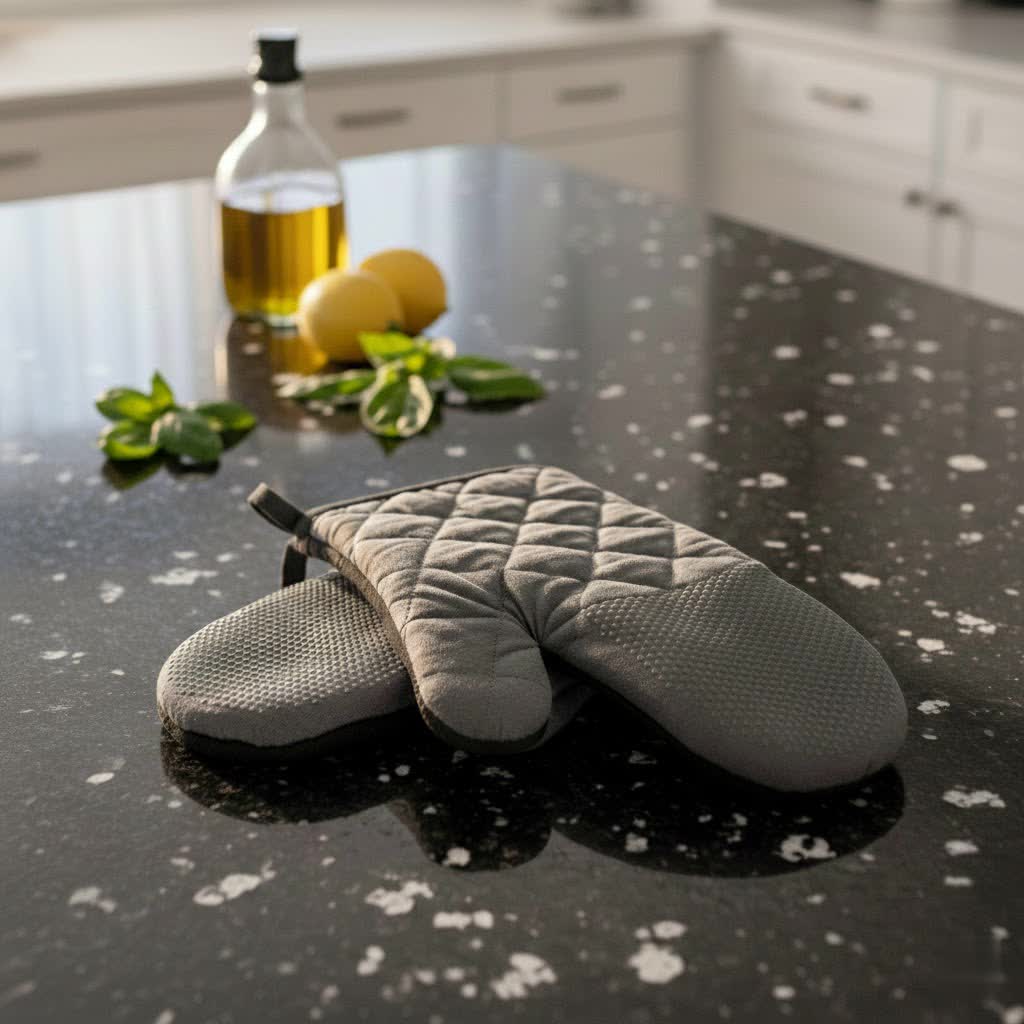
Stepping into the kitchen, whether you’re a seasoned chef or a home cooking enthusiast, often involves navigating hot surfaces and scorching temperatures. Protecting your hands and forearms from painful burns is paramount for a safe and enjoyable culinary experience. This isn’t just about avoiding discomfort; it’s about confidently handling hot pots, pans, and baking sheets, transforming your cooking process from cautious to masterful. Choosing the right oven mitts and pot holders is crucial, offering that vital barrier against intense heat and ensuring every dish makes it safely from oven to table.
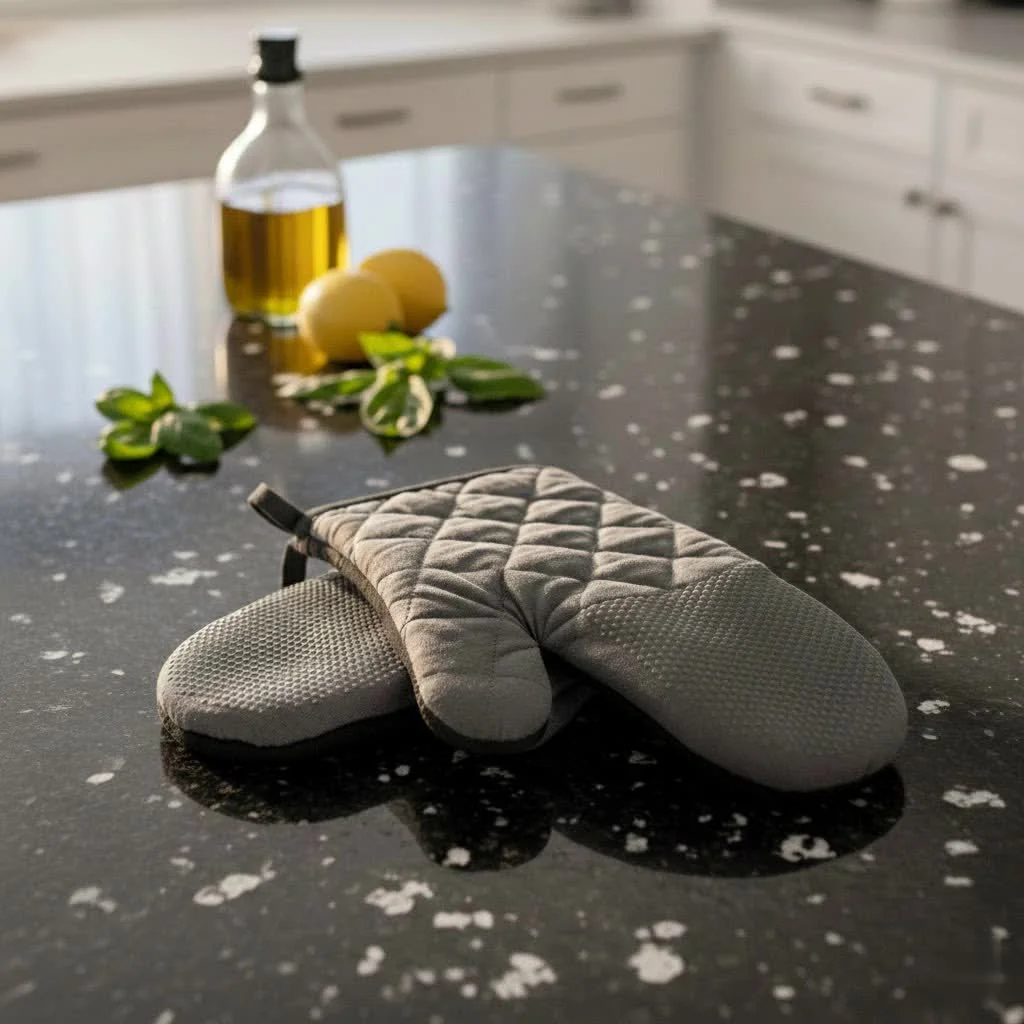
Understanding the Essentials: Oven Mitts vs. Pot Holders
While often used interchangeably, oven mitts and pot holders serve distinct, yet complementary, roles in kitchen safety. Knowing the difference empowers you to select the best tool for each task. For shop curated kitchen safety on this site.
Oven Mitts: Comprehensive Hand and Arm Protection
Oven mitts are designed like gloves, allowing you to slide your hand inside for a secure, comfortable fit. They typically cover your entire hand, wrist, and often a significant portion of your forearm. This extended coverage is invaluable when reaching deep into a hot oven, handling large roasting pans, or managing heavy Dutch ovens. The articulated design of an oven mitt provides a superior grip and greater dexterity compared to a flat pot holder, making it the preferred choice for tasks requiring a firm hold and more complex movements.
Pot Holders: Versatile Heat Barriers and Trivets
In contrast, pot holders are generally flat, square-shaped pieces of insulated material. Some may feature a pocket for your fingers, offering a slightly more secure hold than a plain flat pad. Pot holders excel at quick grabs on the stovetop, moving smaller pots, or removing hot lids. Their compact size makes them easier to maneuver for certain tasks and more convenient to store. Beyond hand protection, a pot holder’s flat design makes it an ideal trivet, safeguarding your countertops and tables from hot dishes straight from the oven or stove.
Exploring the Materials: Types of Oven Mitts and Pot Holders
The material of your oven mitts and pot holders directly dictates their heat resistance, flexibility, and overall performance. A deeper understanding of these options will guide your selection.
Cotton: The Classic Choice for Comfort and Flexibility
For generations, cotton has been the go-to material for kitchen textiles, including oven mitts and pot holders. Its natural fibers offer a soft, comfortable feel and excellent flexibility, allowing for a good grip and ease of movement. Cotton mitts are generally affordable, widely available, and, importantly, often machine washable, simplifying cleanup after kitchen mishaps. However, cotton’s heat resistance is typically lower than synthetic alternatives, and it can quickly absorb liquids, compromising its insulating properties. Thinner cotton options may provide insufficient protection for high-heat tasks.
Silicone: The Modern Solution for Superior Heat and Grip
|
Our Picks for the Best Oven Mitts in 2026
As an Amazon Associate I earn from qualifying purchases.
|
||
| Num | Product | Action |
|---|---|---|
| 1 | The Ove Glove - Superior Heat & Flame Hand Protection - Pack of 2 Oven Mitts |

|
| 2 | KITCHENAID Ribbed Soft Silicone Oven Mitt 2-Pack Set, 7.5"x13", Blue Velvet |
|
| 3 | KITCHENAID Ribbed Soft Silicone Oven Mitt 2-Pack Set, 7.5"x13", Beet |
|
| 4 | BPA-Free Soft Silicone 4 Piece Oven Mitts & Trivets Set - Ultra Heat Resistant Oven Mitts with Thick Cotton Liner - Long Slip Resistant Pot Holders, Flexible Oven Gloves - Aqua |
|
| 5 | KITCHENAID Ribbed Soft Silicone Oven Mitt 2-Pack Set, 7.5"x13", Milkshake |
|
| 6 | BPA-Free Silicone Oven Mitts Ultra Heat Resistant up to 500°F - Oven Mitts with Thick Cotton Liner - Long Slip Resistant Pot Holders, Flexible Oven Gloves - Black 13.7" |
|
| 7 | KITCHENAID Ribbed Soft Silicone Oven Mitt 2-Pack Set, 7.5"x13", Bird of Paradise |
|
| 8 | KITCHENAID Ribbed Soft Silicone Oven Mitt 2-Pack Set, 7.5"x13", Aqua Sky |
|
| 9 | BPA-Free Soft Silicone Oven Mitts - Ultra Heat Resistant Oven Mitts with Thick Cotton Liner - Extra Long Slip Resistant Pot Holders, Flexible Oven Gloves - Aqua/Black 14.7" |
|
| 10 | KITCHENAID Ribbed Soft Silicone Oven Mitt 2-Pack Set, 7.5"x13", Blue Willow |
|
Silicone has revolutionized kitchen safety with its impressive heat resistance, often capable of withstanding temperatures up to 600°F (315°C) or even higher. It is naturally waterproof and grease-resistant, preventing hot liquids from soaking through and reaching your skin. The inherent non-slip texture of silicone provides a remarkably secure grip, even on wet or greasy surfaces, minimizing the risk of accidental drops. While silicone mitts can sometimes feel stiffer or bulkier than their cotton counterparts and may lead to sweaty hands, many designs incorporate a comfortable cotton lining to mitigate these drawbacks.
Leather: Durable Elegance for High-Heat Tasks
Leather oven mitts, often associated with grilling and heavy-duty cooking, offer exceptional durability and a rugged, stylish aesthetic. They provide robust heat resistance, making them a strong choice for handling cast iron cookware or open flame grilling. Leather also molds to your hand over time, offering a custom fit. However, leather options are typically more expensive and require specific care, as they are generally not machine washable and can stiffen if exposed to water without proper conditioning.
Aramid Fiber (Nomex/Kevlar): Professional-Grade Heat Defense
For extreme heat protection, aramid fibers like Nomex and Kevlar are often employed. These materials are renowned for their incredible thermal resistance, used in everything from firefighter gear to racing suits. Oven mitts made with these fibers can typically withstand temperatures far exceeding standard kitchen heat, often rated up to 900°F (482°C) or more. While offering unparalleled safety for very high-heat applications like specialized grilling or professional kitchens, they tend to be less flexible and come at a higher price point, with a more industrial look.
Your Buying Guide: Key Factors for Choosing the Right Protection
Selecting the best oven mitts and pot holders involves more than just picking a color you like. Consider these crucial factors to ensure safety and functionality.
Heat Resistance: Matching Protection to Your Cooking Needs
Always check the stated heat resistance rating of any mitt or pot holder. Your choice should align with your typical cooking temperatures. For standard oven use (up to 450°F / 232°C), many silicone or well-padded cotton options suffice. If you frequently broil, use a high-temp grill, or bake bread in extremely hot Dutch ovens, look for materials like high-grade silicone or aramid fibers that can handle 500°F (260°C) or above. Adequate heat resistance is the foundation of preventing burns.
Material Matters: Balancing Safety, Grip, and Comfort
As explored, each material offers a different balance. Consider whether a non-slip grip (silicone) is more important for you than flexibility and comfort (cotton). If you deal with wet or greasy items frequently, waterproof silicone is a significant advantage. Many modern designs combine materials, such as cotton mitts with silicone grip pads, to offer the best of both worlds.
Length and Coverage: Shielding More Than Just Your Hands
The length of an oven mitt is vital. Longer mitts extend up your forearm, offering crucial protection when reaching into deep ovens or handling oversized baking sheets where your arm might brush against hot racks or oven walls. For quick stovetop tasks, shorter mitts or pot holders might be more convenient. For ultimate protection, especially when grilling or reaching into large commercial ovens, consider extra-long mitts or even full oven gloves with individual finger slots for maximum dexterity.
Fit and Dexterity: Ensuring Control and Confidence
A good oven mitt or pot holder should fit comfortably, allowing for a secure grip without feeling overly bulky or restrictive. If a mitt is too loose, it can slip, compromising your hold on a hot item. If it’s too stiff or tight, it can hinder your ability to grasp handles or edges confidently. Try to simulate gripping various items with the mitts on before purchasing to ensure you maintain proper dexterity.
Ease of Cleaning: Practicality for a Busy Kitchen
Kitchen tools inevitably get dirty. Look for mitts and pot holders that are easy to clean. Many cotton and cotton-blend options are machine washable, which is a significant convenience. Silicone can often be wiped clean with a damp cloth or rinsed under the tap, and some are dishwasher safe. Easy maintenance ensures your protective gear remains hygienic and lasts longer.
Comparison Table: Oven Mitts, Pot Holders, and Key Materials
Choosing the right kitchen protection can be simplified by comparing the core attributes of each type and material.
| Type/Material | Key Advantages | Key Disadvantages | Ideal Use Case | Heat Resistance (General) |
|---|---|---|---|---|
| Oven Mitt | Full hand & arm coverage, superior grip | Can be bulky, less dexterity for fine tasks | Oven baking, handling heavy pots, grilling | High (Varies by material) |
| Pot Holder | Compact, versatile (trivet), quick grabs | Less coverage, limited grip for heavy items | Stovetop, small handles, protecting surfaces | Medium (Varies by material) |
| Cotton | Comfortable, flexible, affordable, machine washable | Lower heat resistance, absorbs liquids, less durable | Light baking, quick stovetop use, aesthetic | Up to 200-300°F (93-149°C) |
| Silicone | High heat resistance, waterproof, excellent non-slip grip | Can be stiff, may cause sweaty hands, sometimes bulky | High-heat oven, grilling, handling wet/greasy items | Up to 400-600°F+ (204-315°C+) |
| Leather | Very durable, good for high-heat grilling, stylish | Higher cost, less flexible than cotton, specific care | Grilling, heavy-duty cast iron, outdoor cooking | Up to 400-500°F (204-260°C) |
| Aramid Fiber (Nomex/Kevlar) | Extreme heat resistance, exceptional durability | Higher cost, less flexibility, industrial aesthetic | Extreme grilling, professional use, industrial ovens | Up to 500-900°F+ (260-482°C+) |
Top Tips for Maximizing Safety and Longevity
Even the best oven mitts and pot holders require proper care and mindful use to ensure they provide consistent protection.
Regular Inspection
Periodically inspect your oven mitts and pot holders for signs of wear and tear, such as thinning spots, tears, scorch marks, or degraded insulation. Even small imperfections can compromise their protective capabilities. If you notice significant damage, it’s time for a replacement.
Proper Storage
Store your mitts and pot holders in a clean, dry place, away from direct heat sources when not in use. Hanging them on hooks near the oven or stove can keep them conveniently accessible while allowing them to air dry completely. Avoid storing them crumpled or compressed, which can damage insulation over time.
Understanding Limitations
No oven mitt or pot holder offers indefinite protection. Understand its maximum temperature rating and the duration it can withstand that heat. Don’t push a mitt beyond its limits, especially when dealing with extremely hot items or prolonged contact. “Even professional-grade mitts have a heat transfer rate; knowing when to swap out for a fresh pair or to simply use tongs is key to truly burn-free cooking,” advises Maria Rodriguez, a culinary safety expert with over two decades of experience.
Conclusion
Choosing the right oven mitts and pot holders is a fundamental step towards a safer and more confident cooking experience. By understanding the differences between styles, the properties of various materials, and key buying criteria, you can equip your kitchen with the best possible heat protection. Whether you opt for the classic comfort of cotton, the robust grip of silicone, the rugged durability of leather, or the extreme heat resistance of aramid fibers, prioritize safety and functionality. Don’t underestimate the power of quality kitchen textiles to prevent painful burns and improve your culinary journey. What kind of heat-resistant gear will you add to your kitchen arsenal next?
Frequently Asked Questions
What is the primary difference between an oven mitt and a pot holder?
The primary difference lies in coverage and form. An oven mitt is glove-shaped, covering the hand and often part of the forearm for comprehensive protection and a secure grip. A pot holder is typically a flat, square pad used for quick grabs or as a trivet, offering less coverage and grip.
Are silicone oven mitts better than cotton ones?
Silicone oven mitts generally offer superior heat resistance, are waterproof, and provide a better non-slip grip compared to traditional cotton. However, cotton mitts are often more flexible, comfortable, and typically more affordable. Many modern options combine materials for balanced performance.
How often should I replace my oven mitts and pot holders?
The replacement frequency depends on usage and wear. Regularly inspect them for thinning, tears, or scorch marks. If you can feel heat transferring too quickly or notice significant damage, it’s time for a replacement, usually every 1-3 years for average home use.
Can I use a kitchen towel instead of an oven mitt or pot holder?
While a folded kitchen towel can offer a temporary barrier, it is not recommended as a safe substitute for dedicated oven mitts or pot holders. Towels often lack sufficient insulation, can slip easily, and may absorb heat and liquids too quickly, increasing the risk of burns.
What is “heat resistance” in oven mitts and why does it matter?
Heat resistance refers to the maximum temperature an oven mitt or pot holder can withstand before heat begins to transfer significantly to your hand. It’s crucial because it indicates how long and at what temperatures the protective gear can keep you safe, preventing burns during cooking tasks.
Cooking gear we tested in our own kitchens
Free PDF — preheat times measured on 10 popular air fryers.

I used to just grab a dish towel for everything, but after reading about the importance of proper oven mitts, I invested in a good pair. What a difference! My hands feel so much safer pulling heavy cast iron out of the oven now. No more worrying about accidental burns on my forearms either. Definitely a game changer for my baking.
My old mitts were getting pretty worn out and I was constantly worried about the heat seeping through. I decided to upgrade after seeing how crucial it is for confidently handling hot pots. These new ones are fantastic! I can finally take my big roasting pan out without any hesitation. It’s made my cooking experience so much more enjoyable and less stressful.
I appreciate the breakdown between oven mitts and pot holders. I always thought they were pretty much the same thing. I picked up some new silicone mitts and they’re great for handling hot baking sheets. My only minor complaint is that they’re a little stiff at first, but I’m sure they’ll break in with more use.