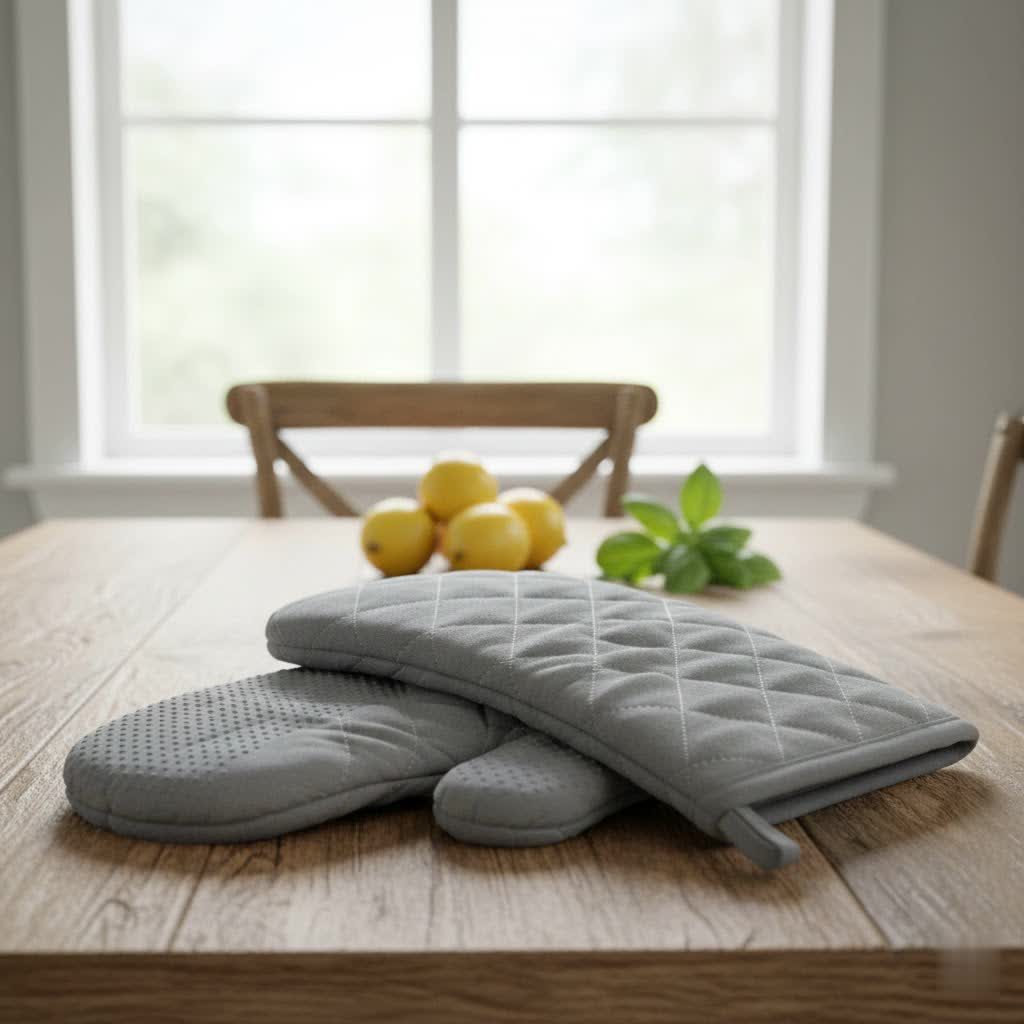
The sizzle of a perfectly roasted chicken, the aroma of freshly baked cookies, or the bubbling joy of a lasagna emerging from the oven – these are the moments that make home cooking so rewarding. Yet, behind every culinary triumph lies a crucial, often overlooked hero: the oven mitt. Without proper protection, those moments of kitchen bliss can quickly turn into painful burns or, worse, a dropped dish. Choosing the right oven mitt isn’t just about matching your kitchen decor; it’s about ensuring safety, comfort, and confidence every time you handle hot cookware. This comprehensive guide will equip you with the knowledge to select the perfect pair of oven mitts, transforming your cooking experience and keeping your hands safe from extreme heat.
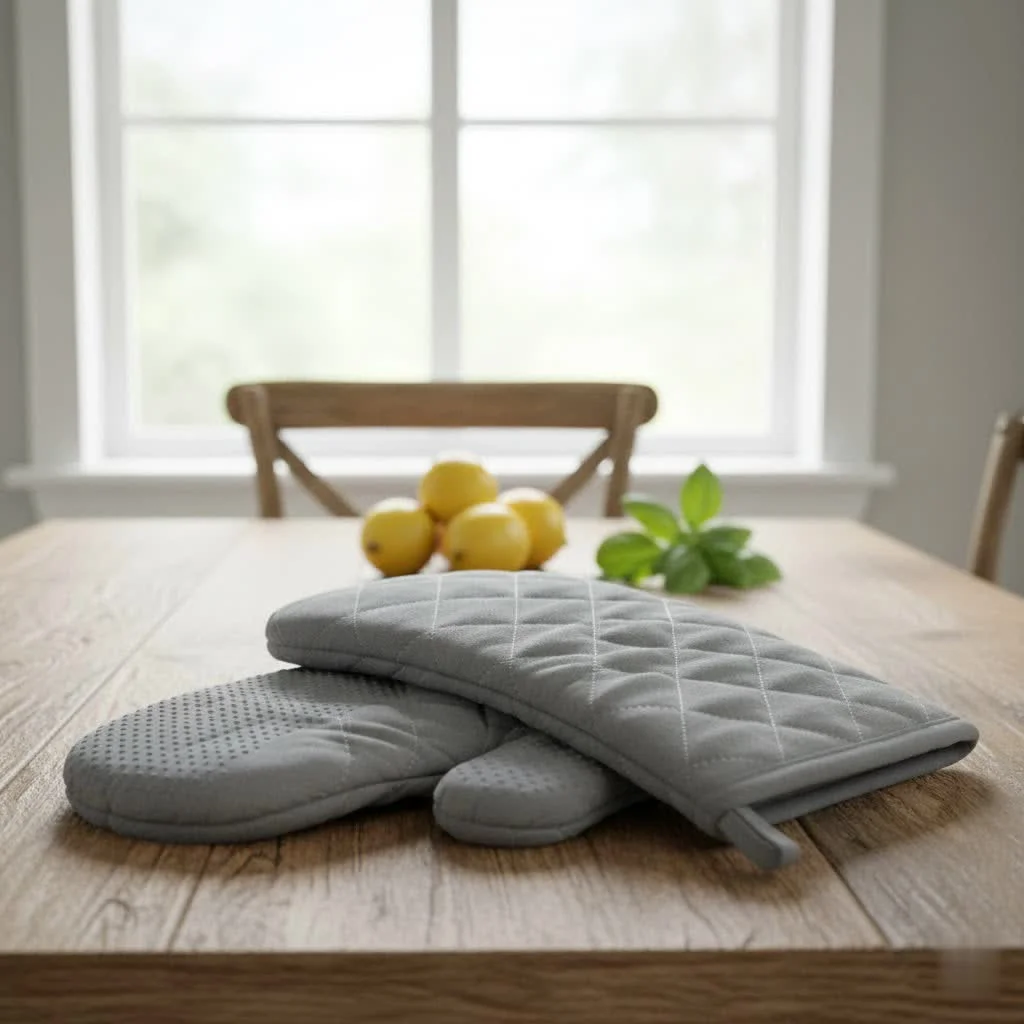
Common Types of Oven Mitts
The world of oven mitts offers a variety of materials, each with unique properties designed to tackle different kitchen tasks. Understanding these differences is key to making an informed choice for your culinary adventures. For more kitchen safety guides on this site.
Cotton Oven Mitts
Cotton oven mitts are the classic choice, cherished by many for their traditional feel and widespread availability. They typically offer a soft, comfortable fit, making them a popular option for everyday baking and cooking tasks. Their flexibility allows for a good grip on various handles and dish edges, and they come in an extensive array of colors and patterns to match any kitchen aesthetic.
However, cotton mitts generally offer lower heat resistance compared to other materials, often rated around 200°F, and heat can transfer through them relatively quickly. They are also highly absorbent, meaning spills can quickly compromise their protective capabilities, and they are prone to scorching or even catching fire if exposed to high heat for too long. While many cotton mitts are machine washable for easy cleaning, their protective insulation can degrade over time with frequent washing and high-temperature exposure.
Silicone Oven Mitts
Silicone oven mitts have surged in popularity due to their superior heat resistance and practical advantages. Often able to withstand temperatures well above 500°F, silicone provides excellent protection against intense heat. Their waterproof nature is a significant benefit, safeguarding hands from steam, boiling water, and hot liquids, making them ideal for handling steaming pots or wet, hot dishes. Many silicone mitts also feature textured surfaces, providing a robust, non-slip grip that helps secure heavy or slippery cookware.
Despite their benefits, silicone mitts can sometimes feel stiffer and less flexible than their fabric counterparts, potentially impacting dexterity. Some users might find them less breathable, leading to sweaty hands, and while they are generally easy to wipe clean, some may require hand-washing to maintain their integrity. Not all silicone mitts are created equal; some with only partial silicone grips or thinner profiles may offer less reliable protection or become surprisingly slick.
Leather Oven Mitts
|
Our Picks for the Best Oven Mitts in 2026
As an Amazon Associate I earn from qualifying purchases.
|
||
| Num | Product | Action |
|---|---|---|
| 1 | BPA-Free Silicone Oven Mitts Ultra Heat Resistant up to 500°F - Oven Mitts with Thick Cotton Liner - Long Slip Resistant Pot Holders, Flexible Oven Gloves - Black 13.7" |

|
| 2 | KITCHENAID Ribbed Soft Silicone Oven Mitt 2-Pack Set, 7.5"x13", Aqua Sky |
|
| 3 | KITCHENAID Ribbed Soft Silicone Oven Mitt 2-Pack Set, 7.5"x13", Blue Velvet |
|
| 4 | BPA-Free Soft Silicone 4 Piece Oven Mitts & Trivets Set - Ultra Heat Resistant Oven Mitts with Thick Cotton Liner - Long Slip Resistant Pot Holders, Flexible Oven Gloves - Aqua |
|
| 5 | KITCHENAID Ribbed Soft Silicone Oven Mitt 2-Pack Set, 7.5"x13", Bird of Paradise |
|
| 6 | KITCHENAID Ribbed Soft Silicone Oven Mitt 2-Pack Set, 7.5"x13", Beet |
|
| 7 | KITCHENAID Ribbed Soft Silicone Oven Mitt 2-Pack Set, 7.5"x13", Milkshake |
|
| 8 | BPA-Free Soft Silicone Oven Mitts - Ultra Heat Resistant Oven Mitts with Thick Cotton Liner - Extra Long Slip Resistant Pot Holders, Flexible Oven Gloves - Aqua/Black 14.7" |
|
| 9 | KITCHENAID Ribbed Soft Silicone Oven Mitt 2-Pack Set, 7.5"x13", Blue Willow |
|
| 10 | The Ove Glove - Superior Heat & Flame Hand Protection - Pack of 2 Oven Mitts |
|
For those who appreciate durability and a rugged, professional aesthetic, leather oven mitts present a compelling option. Known for their resilience and ability to withstand significant heat, leather mitts are particularly favored for grilling, barbecuing, and handling cast iron cookware due to their robust nature. Their sturdy construction means they can endure demanding conditions and often improve with age, developing a unique patina.
On the downside, leather mitts are typically more expensive than cotton or silicone alternatives. They also require more specific care and maintenance, such as conditioning, to prevent drying and cracking. Like some silicone options, they can initially be quite stiff, requiring a break-in period to achieve maximum flexibility and comfort. They are not usually machine washable and are susceptible to water damage, limiting their versatility for wet tasks.
Aramid Fiber (Nomex/Kevlar) Oven Mitts
Aramid fiber mitts, made from materials like Nomex or Kevlar, represent the pinnacle of heat and flame resistance, often used in professional kitchens, industrial settings, or for extreme grilling and smoking. These high-performance materials are engineered to protect against exceptionally high temperatures and direct flame, offering a level of safety unmatched by most other domestic options.
However, this specialized protection comes at a higher cost. Aramid fiber mitts are generally the most expensive option on the market. They can also be bulkier and less flexible than other types, which might reduce dexterity for intricate kitchen tasks. Their primary focus is on extreme safety, which means they might not offer the same level of comfort or aesthetic appeal as mitts designed for everyday home use.
Neoprene Oven Mitts
Neoprene, a type of synthetic rubber, is another material found in some oven mitts. Neoprene mitts often provide a good balance of grip and comfort, frequently featuring a soft inner lining. They are also resistant to water and oils, making them easier to clean than cotton and suitable for tasks where splashes might occur.
While neoprene offers good heat protection, it may not withstand temperatures as high as pure silicone and can be prone to melting if exposed to extreme heat for prolonged periods. Users should exercise caution when handling extremely hot items, as the heat resistance can vary between products.
Essential Criteria for Selecting Oven Mitts (Buying Guide)
Choosing the perfect oven mitts goes beyond material; it involves considering several critical factors that impact safety, comfort, and functionality in your kitchen.
Heat Resistance Rating
The most crucial factor for any oven mitt is its ability to protect your hands from heat. Always check the manufacturer’s specified heat resistance rating, which indicates the maximum temperature the mitt can withstand. If you frequently bake at 400°F (200°C) or higher, ensure your mitts are rated for at least that temperature, and ideally, for longer durations. Some sources suggest selecting mitts that can withstand high temperatures for more than ten seconds, as this allows sufficient time to safely transfer dishes. For tasks like broiling or grilling, which involve intense, direct heat, even higher ratings or specialized flame-resistant mitts are advisable.
Material and Insulation
Beyond the outer material, consider the overall construction and insulation of the oven mitt. A good mitt will typically feature multiple layers designed to trap air and prevent heat transfer. Many effective mitts combine materials, such as a silicone exterior for heat and moisture resistance with a soft cotton or polyester lining for comfort and additional insulation. The internal lining also plays a role in comfort and moisture-wicking, which can be important during longer cooking sessions.
Length and Coverage
Have you ever accidentally brushed your forearm against a hot oven rack? A common kitchen mishap, it highlights the importance of adequate coverage. Oven mitts come in various lengths, typically ranging from standard wrist-length to extra-long options that extend well past the forearm. For reaching into deep ovens, handling large roasting pans, or working with intense heat sources like grills, longer mitts offer superior protection against accidental burns and splatters. Conversely, shorter mitts or “mini mitts” can offer more dexterity for quick grabs of smaller items or pot handles, though they provide less forearm protection.
Grip and Dexterity
A secure grip is paramount to prevent dropping hot, heavy dishes. Look for oven mitts with textured surfaces, especially those made of silicone or with rubberized patterns, as these provide a non-slip hold even on slick or greasy cookware. While protection is vital, the mitt should also allow for sufficient dexterity to grasp handles, rotate dishes, and maneuver items without feeling clumsy or losing control. Test the mitts to ensure they fit snugly but comfortably, allowing for natural hand movements.
Ease of Cleaning
Kitchen accidents happen, and oven mitts inevitably accumulate spills and stains. Prioritizing mitts that are easy to clean is a practical consideration for hygiene and longevity. Many cotton and fabric-blend mitts are machine washable, making cleanup a breeze. Silicone mitts, while resistant to stains and liquids, often require a simple wipe-down with a damp cloth or hand-washing with soap and water; some might be dishwasher safe, but always check the care instructions.
Comfort and Fit
Your oven mitts should feel comfortable and provide a good fit. A mitt that’s too loose can slip, compromising your grip, while one that’s too tight can restrict movement and blood flow. Different brands offer varying fits, so if possible, try them on. An ergonomic design that conforms to your hand will enhance both comfort and control.
Durability
Investing in durable oven mitts means they’ll last longer and provide consistent protection. Look for reinforced stitching, high-quality materials, and construction that can withstand frequent use and washing without quickly breaking down or losing their insulating properties.
Comparison Table: Oven Mitt Materials at a Glance
| Loại Găng Tay | Ưu Điểm (Pros) | Nhược Điểm (Cons) | Mức Giá (Price Level) |
|---|---|---|---|
| Cotton | Affordable, diverse designs, soft, flexible, comfortable. | Low heat resistance, absorbs liquids, can scorch, less durable insulation. | Low |
| Silicone | Excellent heat resistance (500°F+), waterproof, superior non-slip grip, easy to clean. | Can be stiff, less breathable, hand-washing often needed, some can be slippery. | Medium |
| Leather | Highly durable, good heat resistance, stylish, rugged. | High price, requires maintenance, can be stiff initially, not water-resistant. | High |
| Aramid Fiber (Nomex/Kevlar) | Extremely high heat and flame resistance, industrial-grade protection. | Very high price, bulky, less flexible, less common for home use. | Very High |
| Neoprene | Good grip, water/oil resistant, comfortable lining, easy to clean. | Moderate heat resistance, can melt under extreme heat. | Medium |
Top Recommended Oven Mitts for Home Cooks
Based on extensive testing and user reviews, several oven mitts consistently stand out for their performance, durability, and user satisfaction. Here are a few top picks that combine the best features to keep your hands safe and your cooking smooth.
OXO Silicone Oven Mitt
The OXO Silicone Oven Mitt is a highly praised option for its balance of protection and practicality. It features a silicone exterior, offering excellent heat resistance and a secure, non-slip grip, combined with a comfortable padded cotton interior. This design ensures your hands are well-protected from high temperatures while maintaining comfort and a good fit, allowing for flexible handling of various cookware. Many users appreciate its reliable performance for everyday baking and roasting tasks.
All-Clad Silicone Oven Mitts
Known for their quality kitchenware, All-Clad Silicone Oven Mitts offer robust protection. These mitts are typically constructed from a blend of cotton and silicone, providing a soft interior with a durable, non-slip silicone exterior. Their sturdy build and often generous 14-inch length ensure comprehensive protection for both hands and forearms. They are also frequently machine washable, adding to their convenience for busy home cooks.
Big Red House Oven Mitts
The Big Red House Oven Mitts are often cited as a versatile and protective choice, offering great value. They typically feature a comfortable cotton exterior with a polyester lining and incorporate a rubberized texture for enhanced grip. This combination delivers good heat resistance without sacrificing flexibility, allowing users to confidently handle hot pans, casserole dishes, and even heavy Dutch ovens. Their balance of affordability, protection, and ease of movement makes them a favorite among home chefs.
Conclusion
Choosing the right oven mitts is a small decision that makes a big impact on your kitchen safety and cooking enjoyment. From the traditional comfort of cotton to the robust protection of silicone and the specialized strength of aramid fibers, there’s an ideal pair out there for every home cook and every culinary challenge. Prioritizing heat resistance, a secure grip, ample coverage, and ease of cleaning will ensure you find mitts that not only protect your hands but also enhance your confidence in the kitchen. Investing in quality oven mitts means investing in your well-being, allowing you to focus on the joy of creating delicious meals without the worry of burns or accidents. So, as you embark on your next baking or roasting adventure, remember to don your trusted hand protectors. What’s your go-to oven mitt for tackling those extra-hot cast iron dishes or delicate pastry work?
Câu Hỏi Thường Gặp (Frequently Asked Questions)
Are silicone oven mitts better than cotton?
Generally, yes, silicone oven mitts offer superior heat protection and are waterproof, making them ideal for high temperatures and wet conditions. However, cotton mitts often provide better flexibility and breathability, making them more comfortable for certain tasks and general use. Many cooks opt for a combination of both for different needs.
What temperature can oven mitts withstand?
The temperature an oven mitt can withstand varies significantly by material and construction. Basic cotton mitts might only handle up to 200°F for a few seconds, while high-quality silicone or aramid fiber mitts can often protect against temperatures exceeding 500°F (260°C) for extended periods. Always check the specific temperature rating provided by the manufacturer.
How often should you replace oven mitts?
You should replace your oven mitts when they show visible signs of wear and tear, such as thinning fabric, fraying, scorching, or if you start to feel heat seeping through them more quickly. Damaged mitts compromise safety and should be replaced immediately to prevent burns.
Can I wash my oven mitts in the machine?
Most fabric-based oven mitts (like cotton or cotton blends) are machine washable, but it’s crucial to check the care label for specific instructions. Silicone mitts are often wipe-clean only or require hand-washing, though some designs may be dishwasher safe. Proper cleaning extends their lifespan and maintains hygiene.
What’s the ideal length for oven mitts?
The ideal length for oven mitts depends on your cooking habits. For standard baking and roasting, mitts that extend at least 13-15 inches (33-38 cm) past the wrist are recommended to protect your forearms from hot oven racks and accidental splatters. For quick tasks or smaller items, mini mitts offer more dexterity but less overall coverage.
Cooking gear we tested in our own kitchens
Free PDF — preheat times measured on 10 popular air fryers.
