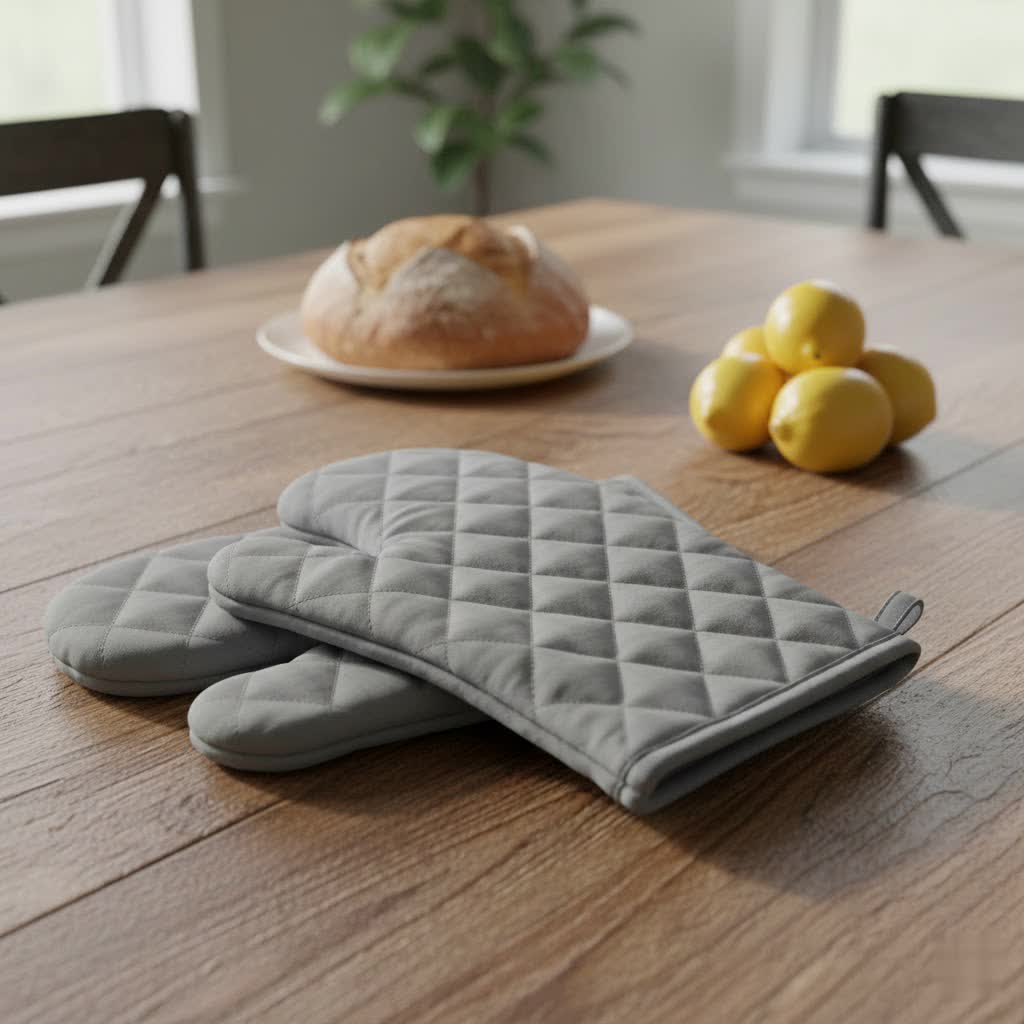
Stepping into a hot kitchen, you know the feeling – the warmth radiating from the oven, the anticipation of a delicious meal. But with that warmth comes the crucial need for protection. How often have you fumbled with a flimsy towel or an old, worn-out mitt, risking burns and drops? The right oven mitts are more than just kitchen accessories; they are essential tools that ensure your safety, enhance your grip, and bring peace of mind to every cooking adventureIn this comprehensive guide, we’ll dive deep into the world of oven mitts, exploring different types, crucial buying factors, and top recommendations to help you discover the perfect pair that combines functionality with style.
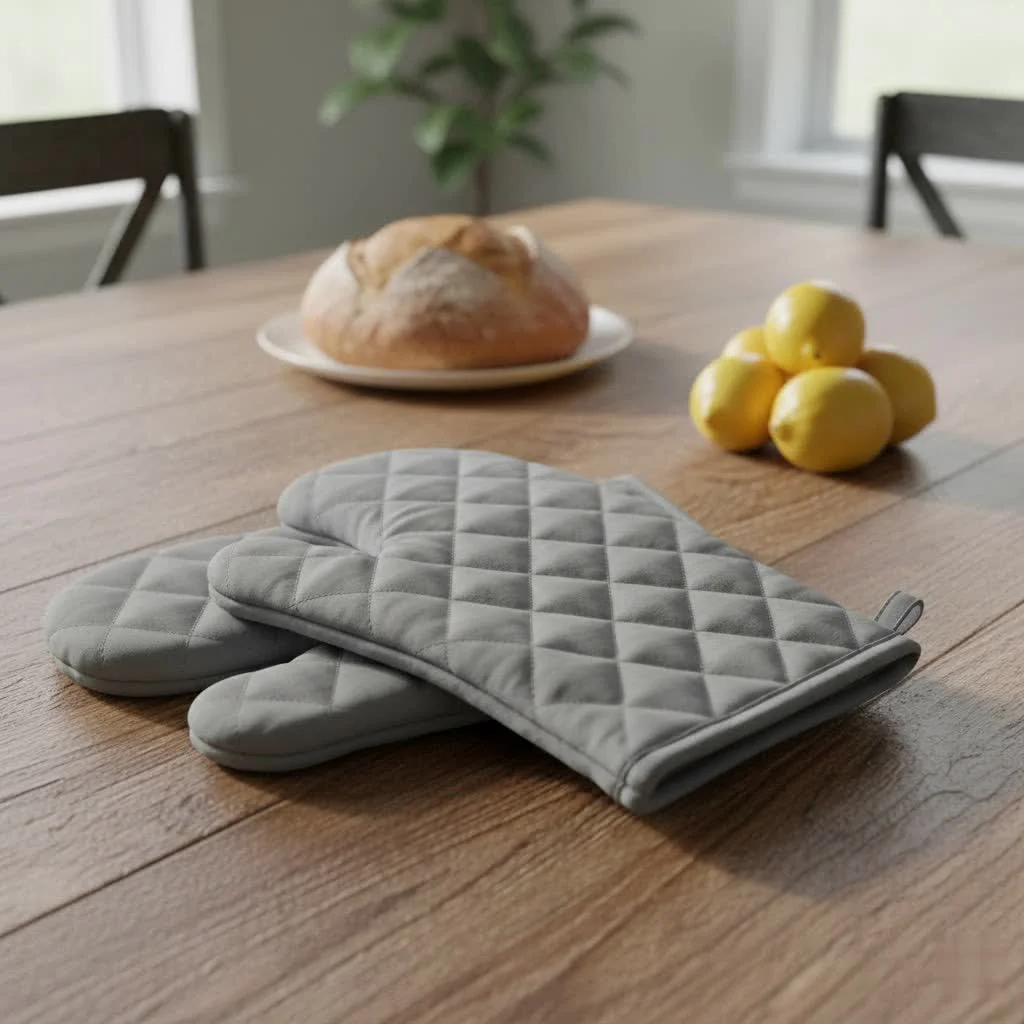
Popular Types of Oven Mitts
Not all oven mitts are created equal. Their effectiveness largely depends on the materials used, which dictate heat resistance, flexibility, and overall durabilityLet’s explore the most common types you’ll encounter.
Cotton Oven Mitts
Cotton oven mitts are the traditional choice, familiar in many homes for their classic feel and aesthetic.
- Pros: They are generally affordable and widely available in a vast array of colors and patterns to match any kitchen decor. The soft, flexible fabric offers good dexterity for handling various cookware shapes, and many are machine washable for easy care.
- Cons: Their primary drawback is often lower heat resistance compared to synthetic alternatives. Cotton can absorb liquids, which reduces its insulating properties and makes it less suitable for wet or steamy tasks. Overly thick cotton mitts can also become bulky and stiff, hindering grip.
Silicone Oven Mitts
Modern kitchens frequently feature silicone oven mitts, lauded for their advanced protective qualities.
- Pros: Silicone excels in heat resistance, often withstanding very high temperatures, making them ideal for intense baking or grilling. They are waterproof, preventing steam or hot liquids from reaching your hands, and their textured surfaces provide an excellent non-slip grip on slippery or heavy pans. Cleaning is typically a breeze, as most can be wiped clean or rinsed.
- Cons: While highly effective, silicone mitts can sometimes feel less comfortable or flexible than cotton, especially if the material is too rigid. They can also be bulkier, and some users find them to cause hands to sweat due to lack of breathability.
Leather Oven Mitts
For a robust and stylish option, leather oven mitts offer a unique set of benefits, particularly for heavier-duty tasks like grilling.
- Pros: Leather is known for its exceptional durability and rugged style, offering good resistance to heat and punctures. They develop a unique patina over time, adding character to your kitchen tools.
- Cons: Leather mitts are generally more expensive and require specific care, as they cannot be machine washed and need conditioning to maintain their integrity. They may also be less flexible initially and can feel heavy.
Nomex/Kevlar (Aramid Fabric) Oven Mitts
|
Our Picks for the Best Oven Mitts in 2026
As an Amazon Associate I earn from qualifying purchases.
|
||
| Num | Product | Action |
|---|---|---|
| 1 | KITCHENAID Ribbed Soft Silicone Oven Mitt 2-Pack Set, 7.5"x13", Aqua Sky |

|
| 2 | BPA-Free Soft Silicone Oven Mitts - Ultra Heat Resistant Oven Mitts with Thick Cotton Liner - Extra Long Slip Resistant Pot Holders, Flexible Oven Gloves - Aqua/Black 14.7" |
|
| 3 | BPA-Free Soft Silicone 4 Piece Oven Mitts & Trivets Set - Ultra Heat Resistant Oven Mitts with Thick Cotton Liner - Long Slip Resistant Pot Holders, Flexible Oven Gloves - Aqua |
|
| 4 | KITCHENAID Ribbed Soft Silicone Oven Mitt 2-Pack Set, 7.5"x13", Beet |
|
| 5 | The Ove Glove - Superior Heat & Flame Hand Protection - Pack of 2 Oven Mitts |
|
| 6 | BPA-Free Silicone Oven Mitts Ultra Heat Resistant up to 500°F - Oven Mitts with Thick Cotton Liner - Long Slip Resistant Pot Holders, Flexible Oven Gloves - Black 13.7" |
|
| 7 | KITCHENAID Ribbed Soft Silicone Oven Mitt 2-Pack Set, 7.5"x13", Blue Willow |
|
| 8 | KITCHENAID Ribbed Soft Silicone Oven Mitt 2-Pack Set, 7.5"x13", Blue Velvet |
|
| 9 | KITCHENAID Ribbed Soft Silicone Oven Mitt 2-Pack Set, 7.5"x13", Bird of Paradise |
|
| 10 | KITCHENAID Ribbed Soft Silicone Oven Mitt 2-Pack Set, 7.5"x13", Milkshake |
|
Often seen in professional settings or for specialized high-heat applications, aramid fabric mitts offer superior protection.
- Pros: These synthetic fibers, like Nomex and Kevlar, provide extremely high heat resistance, making them perfect for grilling, working with pizza ovens, or handling commercial-grade temperatures. They often come in glove-like designs, offering superior dexterity compared to traditional mitts.
- Cons: They are typically the most expensive option and may have a more industrial look that doesn’t appeal to all home cooks. While flexible, some may find them less soft than cotton, and care instructions can be more specific.
Neoprene Oven Mitts
Neoprene, a synthetic rubber, also makes an appearance in oven mitt design, offering a balance of features.
- Pros: Neoprene provides good grip and is resistant to water and oils, making them easy to clean. Many come with comfortable inner linings.
- Cons: While offering decent heat resistance, neoprene mitts might not withstand extreme temperatures as well as silicone or aramid fabrics and can melt if exposed to very high heat for prolonged periods.
Essential Criteria for Choosing Your Oven Mitts
Selecting the best oven mitts involves more than just picking a pretty color. Consider these critical factors to ensure you get the protection and functionality you need.
Heat Resistance
The most crucial factor is how well a mitt protects your hands from high temperatures. Think about the types of cooking you do most often. If you regularly use a very hot oven (450°F / 230°C and above), grill, or broiler, you’ll need mitts with high heat ratings, often found in silicone or aramid materials. For everyday baking and roasting at moderate temperatures, a good quality cotton or neoprene mitt may suffice. Always check the manufacturer’s stated temperature rating.
Material
As discussed, each material has distinct advantages and disadvantages regarding heat resistance, flexibility, and feel. Silicone offers superior heat and moisture protection, while cotton provides comfort and breathability. A blend of materials, such as silicone-coated cotton, can offer the best of both worlds – a grippy, heat-resistant exterior with a soft, comfortable interior.
Length
The length of your oven mitts directly impacts the coverage they provide. Longer mitts, typically extending past the wrist and up the forearm, offer greater protection against accidental burns from hot oven racks or splashes. This is especially beneficial when reaching deep into a hot oven or handling large, bulky items. Shorter or mini mitts offer more dexterity and can be convenient for quickly grabbing small handles or lids, but they sacrifice forearm protection.
Fit and Dexterity
A good oven mitt should fit comfortably without being too loose (risking slippage) or too tight (restricting movement). The ability to maintain a secure grip on hot, heavy, or potentially greasy items is paramount. Look for designs that allow your fingers to articulate somewhat, or consider glove-style mitts if individual finger movement is a priority. Textured surfaces, especially on silicone mitts, significantly enhance grip and prevent accidental slips.
Cleanability
Kitchen accidents happen, and your oven mitts are bound to get dirty. Prioritize mitts that are easy to clean. Many cotton mitts are machine washable, offering hassle-free maintenance. Silicone mitts often wipe clean or can be rinsed under the tap. Always check the care instructions to ensure your chosen mitts can withstand regular cleaning without compromising their protective qualities.
Comparison Table: Oven Mitts at a Glance
| Type of Oven Mitt | Pros | Cons | Typical Price Range |
|---|---|---|---|
| Cotton | Affordable, wide variety, comfortable, flexible, often machine washable. | Lower heat resistance, absorbs liquids, can be bulky, less grip when wet. | Low |
| Silicone | Excellent heat resistance, waterproof, easy to clean, superior grip. | Can be stiff, less breathable (sweaty hands), bulkier, sometimes higher cost. | Medium |
| Leather | Durable, good heat resistance, stylish, offers puncture resistance. | Higher price, requires special care (not machine washable), less initial flexibility. | High |
| Nomex/Kevlar (Aramid) | Extreme heat resistance, often flexible (glove-style), superior safety. | Highest price, may have an industrial look, specialized care. | Very High |
| Neoprene | Good grip, water and oil resistant, easy to clean, comfortable lining. | Not as high heat resistant as silicone/aramid, can melt at extreme temperatures. | Medium |
Top Oven Mitts for Every Home Cook
Choosing from the vast array of options can be daunting, but some designs and materials consistently receive high praise for their performance and reliability.
The All-Around Performer: Silicone-Lined Cotton Mitts
Combining the best attributes of two popular materials, these mitts typically feature a soft, breathable cotton interior for comfort and flexibility, coupled with a silicone exterior or palm for superior heat resistance and an ironclad grip. Brands like All-Clad often produce designs that are 14 inches long, offering ample forearm protection, and are conveniently machine washable.
The Grip Master: OXO Good Grips Silicone Oven Mitts
Known for their thoughtful design and user-friendliness, OXO’s silicone oven mitts are highly regarded for their textured silicone surfaces that provide an exceptional grip, even on slick or heavy cookware. They often feature a comfortable, padded cotton lining and are designed to protect hands and arms without sacrificing control.
The Reliable Everyday Choice: Gorilla Grip Silicone Oven Mitts
For daily kitchen tasks, Gorilla Grip silicone oven mitts are a popular option. They feature a durable, honeycomb-textured silicone shell that is waterproof and stain-resistant, paired with a soft cotton lining. These mitts are praised for their robust heat protection, ease of cleaning, and ability to handle typical oven and stovetop moves with confidence.
“Investing in high-quality oven mitts is a non-negotiable for anyone who spends time in the kitchen. It’s about protecting yourself and enhancing your cooking experience with confidence and control.” – Chef Isabella Rossi, Culinary Safety Expert
Conclusion
The journey to finding your perfect pair of oven mitts is a crucial step towards a safer and more enjoyable cooking experience. From the classic comfort of cotton to the advanced protection of silicone and aramid fabrics, there’s a design engineered to meet every culinary need. By considering factors like heat resistance, material, length, fit, and ease of cleaning, you can confidently select mitts that offer both robust protection and practical functionality. Don’t compromise on kitchen safety; equip yourself with the best tools to handle heat with ease and precision. Which type of oven mitt will you choose to improve your cooking adventures today?
Frequently Asked Questions
What is the best material for oven mitts?
The “best” material depends on your needs. Silicone is excellent for high heat, waterproofing, and grip. Cotton offers comfort, flexibility, and affordability for everyday use. A blend, often cotton with a silicone palm, can provide a great balance of both.
Are silicone oven mitts safe to use?
Yes, food-grade silicone oven mitts are generally very safe. They can withstand a wide range of temperatures, are non-toxic, and are easy to clean, making them a reliable choice for handling hot cookware safely.
Can you use a towel as an oven mitt?
While technically possible in a pinch, using a kitchen towel as an oven mitt is strongly discouraged for safety reasons. Towels often provide inadequate heat protection, can slip easily, and their loose ends pose a fire hazard. Always use purpose-designed oven mitts for proper safety.
How often should I replace my oven mitts?
You should replace your oven mitts when they show signs of wear and tear, such as thinning fabric, holes, tears, or degraded heat protection. If you start feeling heat through them more quickly than before, it’s definitely time for a new pair to ensure continued safety.
Cooking gear we tested in our own kitchens
Free PDF — preheat times measured on 10 popular air fryers.

I loved the focus on combining functionality with style. My old mitts were so ugly and stained. I found a really cute patterned pair that also has excellent heat protection, and they actually look good hanging in my kitchen. It’s nice to have tools that work well and also fit my kitchen’s aesthetic.
I’ve been using those flimsy towels for years and finally decided to upgrade. This guide really helped me understand the different types of oven mitts. I ended up getting a silicone pair, and they’re amazing! No more worrying about dropping hot dishes, and the grip is fantastic. My hands feel so much safer now.
I appreciate the breakdown of buying factors, especially about heat resistance. I bought a pair based on a recommendation here, and while they’re definitely better than my old ones, I still feel a bit of warmth when holding a really hot cast iron pan for too long. They’re good for quick transfers, but I was hoping for a bit more insulation.
This was super helpful! I never really thought about the materials used in oven mitts before. I always just grabbed whatever was on sale. After reading this, I invested in a pair with a good cotton blend, and the flexibility is a game-changer. It’s so much easier to handle baking sheets now without feeling clumsy.