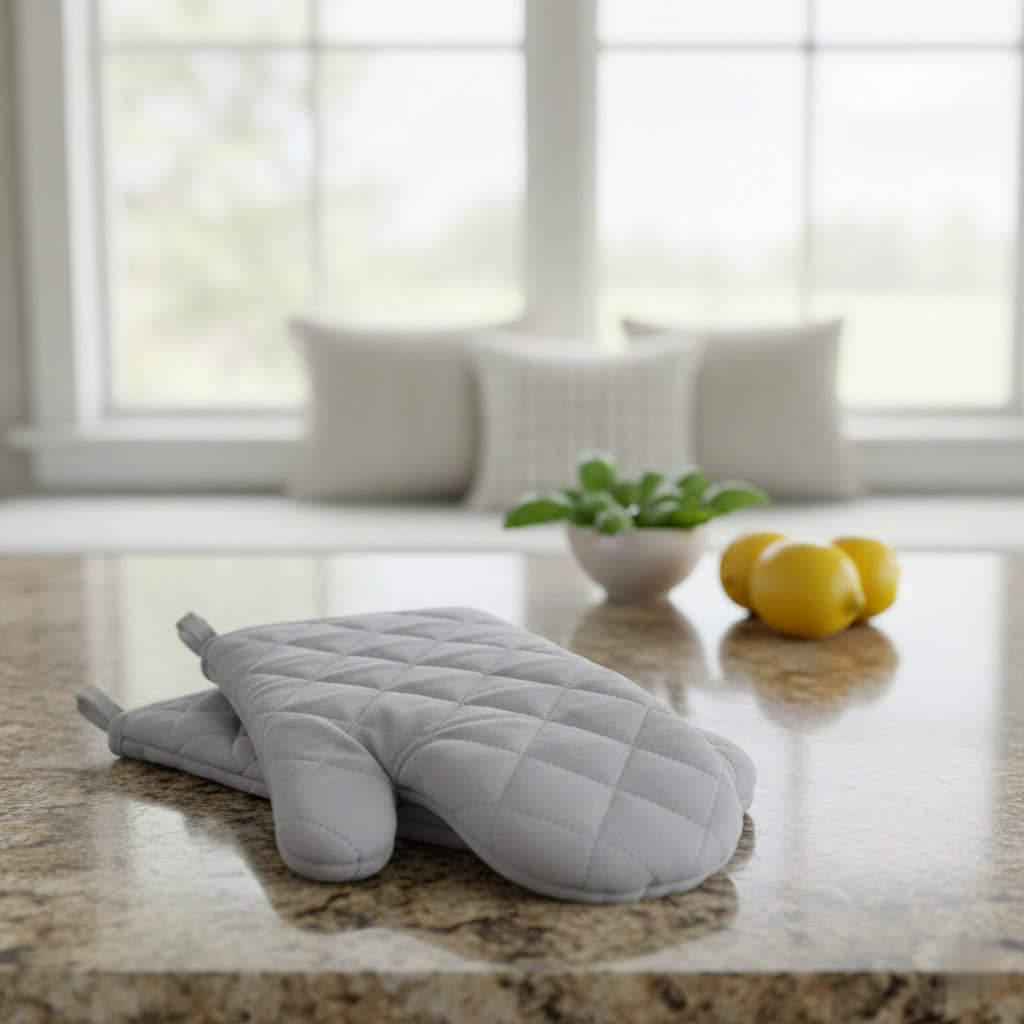
Stepping into the kitchen, whether you’re a seasoned chef or a home cook, means confronting heat. From sizzling pans on the stovetop to bubbling casseroles emerging from the oven, protecting your hands is paramount. You might grab the nearest dishtowel, but relying on inadequate protection is a recipe for burns. This comprehensive guide will help you understand the crucial differences between oven mitts and pot holders, explore various materials, and provide key criteria to ensure you choose the safest and most effective heat protection for your culinary adventures.
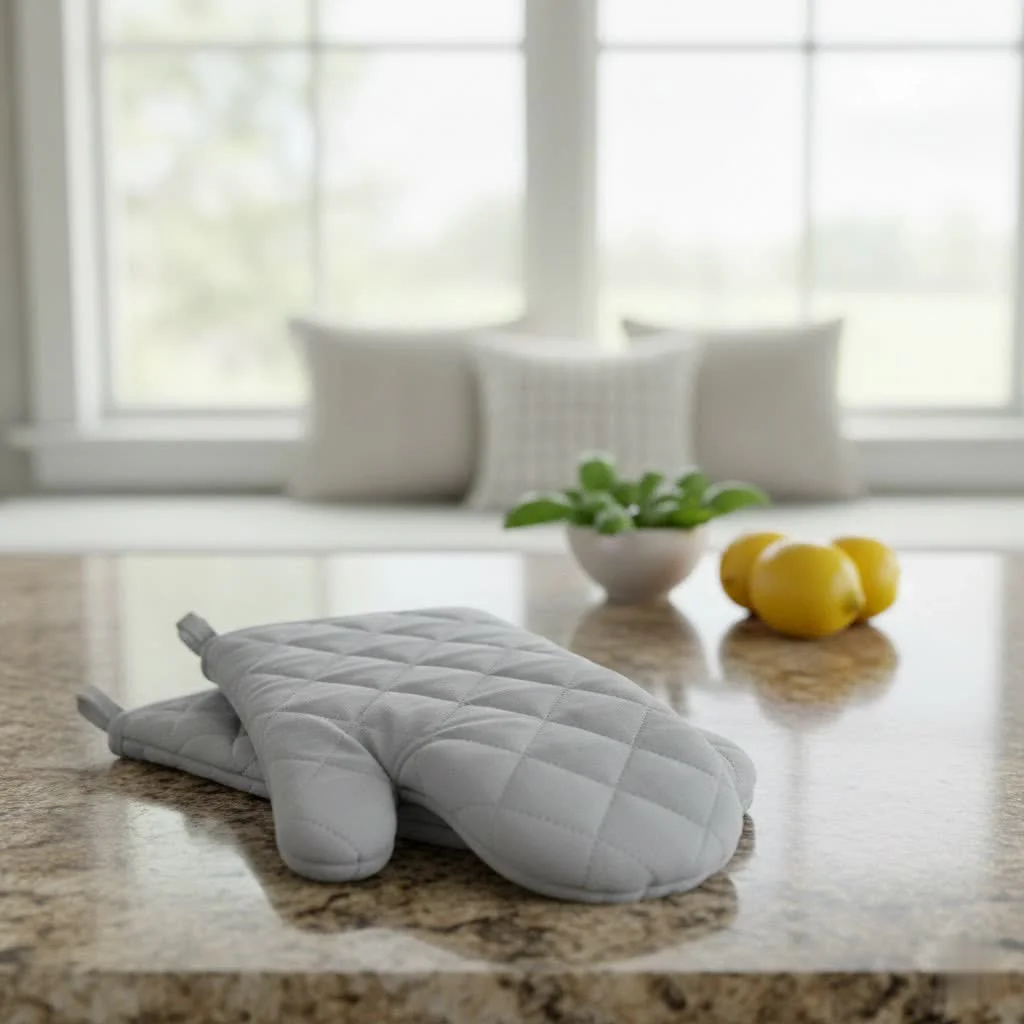
Understanding Oven Mitts and Pot Holders: What’s the Difference?
While both oven mitts and pot holders are designed to shield your hands from high temperatures, they serve distinct purposes and offer varying levels of protection. Understanding their individual strengths is the first step toward a safer kitchen.
Oven Mitts
Oven mitts are glove-like coverings that encase your entire hand and often extend up the wrist and forearm. This design provides maximum coverage, crucial when reaching deep into a hot oven or handling large, unwieldy dishes. The separate thumb compartment, and sometimes individual finger slots in oven gloves, allow for a more secure and flexible grip, making them ideal for manipulating heavy roasting pans or cast-iron skillets. Generally, oven mitts are the safer option for tasks requiring prolonged contact with heat or reaching into confined hot spaces.
Pot Holders
Pot holders, on the other hand, are typically flat, insulated pads, often square or rectangular, with or without a pocket for your hand. They are less bulky than oven mitts and are excellent for quick grabs of hot pot handles, lids, or for protecting countertops and tables as trivets. While they offer less comprehensive coverage than mitts, their compact design can be convenient for lighter tasks on the stovetop or when you need a quick barrier for short periods. Some pot holders feature a pocket design that allows for a more secure, albeit less flexible, grip than a flat pad.
The choice between an oven mitt and a pot holder often boils down to the task at hand. For heavy lifting, deep oven reaches, or sustained heat exposure, an oven mitt is your best defense. For quick handling of stovetop items or as surface protection, a pot holder is perfectly suited. Many home kitchens benefit from having both readily available.
Popular Types of Oven Mitts and Pot Holders
The effectiveness of your heat protection largely depends on the material it’s made from. Different materials offer unique advantages in terms of heat resistance, flexibility, and durability.
Cotton Oven Mitts and Pot Holders
|
Our Picks for the Best Oven Mitts in 2026
As an Amazon Associate I earn from qualifying purchases.
|
||
| Num | Product | Action |
|---|---|---|
| 1 | KITCHENAID Ribbed Soft Silicone Oven Mitt 2-Pack Set, 7.5"x13", Aqua Sky |

|
| 2 | KITCHENAID Ribbed Soft Silicone Oven Mitt 2-Pack Set, 7.5"x13", Blue Velvet |
|
| 3 | BPA-Free Soft Silicone 4 Piece Oven Mitts & Trivets Set - Ultra Heat Resistant Oven Mitts with Thick Cotton Liner - Long Slip Resistant Pot Holders, Flexible Oven Gloves - Aqua |
|
| 4 | KITCHENAID Ribbed Soft Silicone Oven Mitt 2-Pack Set, 7.5"x13", Beet |
|
| 5 | The Ove Glove - Superior Heat & Flame Hand Protection - Pack of 2 Oven Mitts |
|
| 6 | KITCHENAID Ribbed Soft Silicone Oven Mitt 2-Pack Set, 7.5"x13", Blue Willow |
|
| 7 | KITCHENAID Ribbed Soft Silicone Oven Mitt 2-Pack Set, 7.5"x13", Milkshake |
|
| 8 | BPA-Free Soft Silicone Oven Mitts - Ultra Heat Resistant Oven Mitts with Thick Cotton Liner - Extra Long Slip Resistant Pot Holders, Flexible Oven Gloves - Aqua/Black 14.7" |
|
| 9 | BPA-Free Silicone Oven Mitts Ultra Heat Resistant up to 500°F - Oven Mitts with Thick Cotton Liner - Long Slip Resistant Pot Holders, Flexible Oven Gloves - Black 13.7" |
|
| 10 | KITCHENAID Ribbed Soft Silicone Oven Mitt 2-Pack Set, 7.5"x13", Bird of Paradise |
|
Cotton is a traditional and widely available material for oven mitts and pot holders. They are often quilted, featuring multiple layers of fabric for insulation.
- Advantages: Cotton mitts are generally affordable, comfortable, and come in a vast array of colors and patterns to match any kitchen decor. They are typically machine washable, making cleanup straightforward.
- Disadvantages: Their heat resistance is often lower compared to synthetic materials, typically around 200-250°F (93-121°C). Cotton can also absorb moisture easily, and a wet or damp cotton mitt loses a significant portion of its heat-protective properties, posing a burn risk. They can also be less durable for heavy, frequent use.
Silicone Oven Mitts and Pot Holders
Silicone has become a popular modern choice for its superior heat resistance and practical features.
- Advantages: Silicone offers excellent heat resistance, often up to 500°F (260°C) or more. It is naturally waterproof and grease-resistant, making it easy to clean – often just a wipe or a rinse under the tap. The material provides a non-slip grip, which is crucial for securely handling hot, slippery bakeware. Many silicone mitts also maintain flexibility, allowing for good dexterity.
- Disadvantages: Pure silicone mitts can sometimes feel bulky or less tactile than fabric. Some users find they can cause hands to sweat due to their non-breathable nature. While highly heat-resistant, prolonged contact with extremely hot surfaces can still lead to heat transfer.
Blended Materials (Cotton with Silicone Grip)
Many modern oven mitts combine the best of both worlds: a comfortable cotton or fabric interior with an outer silicone layer or textured silicone grips.
- Advantages: These hybrids often offer the comfort and breathability of cotton with the enhanced heat resistance and superior grip of silicone. They can be more flexible than pure silicone mitts while still providing robust protection.
- Disadvantages: The heat resistance may vary depending on the thickness and quality of both the fabric and silicone components.
Specialized Materials: Neoprene and Aramid Fibers
- Neoprene: A synthetic rubber, neoprene offers good heat, water, and oil resistance, making it another viable option for oven mitts. It’s often found in grilling gloves due to its durability.
- Aramid Fibers (Nomex/Kevlar): These high-performance synthetic fibers are used in industrial heat protection and some professional-grade kitchen gloves. They offer extreme heat resistance, making them suitable for very high-temperature tasks like grilling or working with specialized equipment. However, they are typically more expensive and might be overkill for everyday home cooking.
Essential Criteria for Choosing Your Oven Mitts and Pot Holders
Selecting the right oven mitts and pot holders involves more than just picking a color. Consider these critical factors to ensure your kitchen is equipped for safety and efficiency.
Heat Resistance
The most crucial factor is how much heat your hand protection can withstand. Check the manufacturer’s specified temperature rating. If you frequently bake at high temperatures (e.g., over 400°F/200°C) or use a grill, a higher heat rating is essential. Remember that materials like cotton lose significant heat resistance when wet or damp, so always ensure your mitts are dry before use. Silicone options generally offer the highest and most consistent heat protection.
Material Quality and Durability
Consider the longevity and performance of the material. Silicone is known for its durability and resistance to wear and tear, while high-quality quilted cotton can also last a long time with proper care. Look for well-constructed seams and robust stitching, especially in fabric mitts, as weak points can compromise protection over time.
Length and Coverage
For oven mitts, consider the length. Shorter mitts might be fine for quick grabs from a countertop oven, but longer mitts that extend up your forearm provide vital protection against accidental burns when reaching into deep ovens or maneuvering large baking sheets. Pot holders offer less arm coverage, so they are best for tasks where hand-only protection is sufficient.
Grip and Flexibility
A secure grip is non-negotiable for safety. You need to confidently hold hot, heavy, and potentially slippery items. Silicone or textured fabric mitts often provide superior non-slip grip. Flexibility is also important, allowing you to easily grasp handles, edges, and lids without feeling cumbersome or restricted. A mitt that’s too stiff can be a hazard.
Fit and Comfort
Your oven mitts should fit comfortably – not too tight, which can restrict movement, and not too loose, which can make them feel insecure or easily slip off. Try them on if possible. The interior lining should be soft and comfortable, especially for mitts designed for prolonged use.
Ease of Cleaning
Kitchen tools are bound to get dirty. Look for mitts and pot holders that are easy to clean. Many cotton and silicone options are machine washable or easily wiped down. Consider materials that resist stains and grease absorption for simpler maintenance.
Comparison Table: Popular Oven Mitt and Pot Holder Materials
| Type of Hand Protection | Advantages | Disadvantages | Typical Heat Resistance (Fahrenheit/Celsius) |
|---|---|---|---|
| Cotton (Quilted) | Affordable, comfortable, wide variety | Lower heat resistance, absorbs moisture, less durable | Up to 200-250°F / 93-121°C |
| Silicone | High heat resistance, waterproof, excellent grip, easy to clean | Can be bulky, less tactile, may cause sweating | Up to 500°F / 260°C |
| Cotton/Silicone Blend | Combines comfort with improved grip and heat resistance | Heat resistance varies by specific blend, can be pricier | Up to 350-450°F / 177-232°C |
| Neoprene | Good heat, water, and oil resistance, durable | Less common for general kitchen use | Up to 500°F / 260°C |
| Aramid Fibers (e.g., Nomex/Kevlar) | Extreme heat resistance, industrial-grade protection | High cost, often stiff, specialized use | Up to 932°F / 500°C |
Top Recommended Oven Mitts and Pot Holders for Your Kitchen
Based on extensive testing and user reviews, several oven mitts and pot holders consistently stand out for their performance, durability, and safety features.
Homwe Extra-Long Professional Silicone Oven Mitt
This popular choice is praised for its extra-long design, providing ample protection for hands, wrists, and forearms. Its textured silicone exterior ensures a secure, non-slip grip, while the flexible material allows for easy maneuverability. The plush quilted lining adds comfort, making it a reliable option for various cooking tasks.
OXO Good Grips Silicone Pot Holder
For those who prefer the versatility of a pot holder, the OXO Good Grips Silicone Pot Holder is a top contender. It excels in heat protection despite its thinner profile, thanks to its effective silicone construction and soft lining that minimizes heat transfer. Its flexible design with a pocket allows for a confident grasp on hot items.
All-Clad Silicone Oven Mitts
Combining comfort with robust protection, the All-Clad Silicone Oven Mitts are often highlighted as a top overall pick. Made from a blend of cotton and silicone, they offer a soft interior feel with a reliable non-slip silicone exterior. Their 14-inch length provides good forearm coverage, and they are machine washable for easy care.
Big Red House Oven Mitts
These oven mitts strike an excellent balance between versatility, performance, and comfort. Featuring a cotton exterior, a polyester lining, and a rubberized texture for enhanced grip, they can handle a variety of tasks from grabbing pot handles to lifting heavy Dutch ovens without significant heat transfer. Their streamlined fit helps prevent snagging in the oven.
> “Always prioritize safety in the kitchen. A good set of oven mitts and pot holders isn’t a luxury; it’s a necessity that prevents painful burns and allows you to cook with confidence.” – Chef Maria Rodriguez, Culinary Safety Expert
Conclusion
Choosing the right oven mitts and pot holders is a small decision that can make a monumental difference in your kitchen safety and comfort. By understanding the distinction between mitts and holders, exploring the strengths of various materials like cotton and silicone, and considering key features such as heat resistance, grip, and length, you can confidently select the best tools for your culinary needs. Invest in quality protection, keep them dry, and enjoy a safer, more enjoyable cooking experience. What’s your go-to kitchen heat protector, and why does it work best for you?
Frequently Asked Questions
Are silicone oven mitts better than cotton?
Generally, yes. Silicone oven mitts offer superior heat resistance, often protecting up to 500°F, are waterproof, and provide a better non-slip grip. Cotton mitts are comfortable but have lower heat resistance and can become ineffective when wet.
How often should I replace my oven mitts and pot holders?
The lifespan of your oven mitts and pot holders depends on their material, frequency of use, and care. Inspect them regularly for thinning spots, frayed edges, or signs of heat damage. If you start feeling heat transfer more quickly, it’s a clear indicator they need replacing.
Can I machine wash all oven mitts and pot holders?
Most cotton and fabric-blend oven mitts and pot holders are machine washable. Silicone mitts often just need a wipe-down or hand wash. Always check the care instructions on the product label, as some materials might shrink or lose effectiveness with improper washing or drying.
What length of oven mitt is best?
The best length depends on your cooking habits. For reaching deep into ovens or grilling, longer oven mitts (14-17 inches) that cover a good portion of your forearm are recommended for maximum protection. Shorter mitts are suitable for stovetop tasks or quick retrieves from smaller ovens.
Can pot holders be used as oven mitts?
Pot holders can provide some heat protection for quick grabs or as a temporary barrier, but they generally do not offer the same level of coverage, grip, or sustained heat resistance as a dedicated oven mitt. For tasks involving high heat or prolonged handling, an oven mitt is the safer choice.
Cooking gear we tested in our own kitchens
Free PDF — preheat times measured on 10 popular air fryers.
