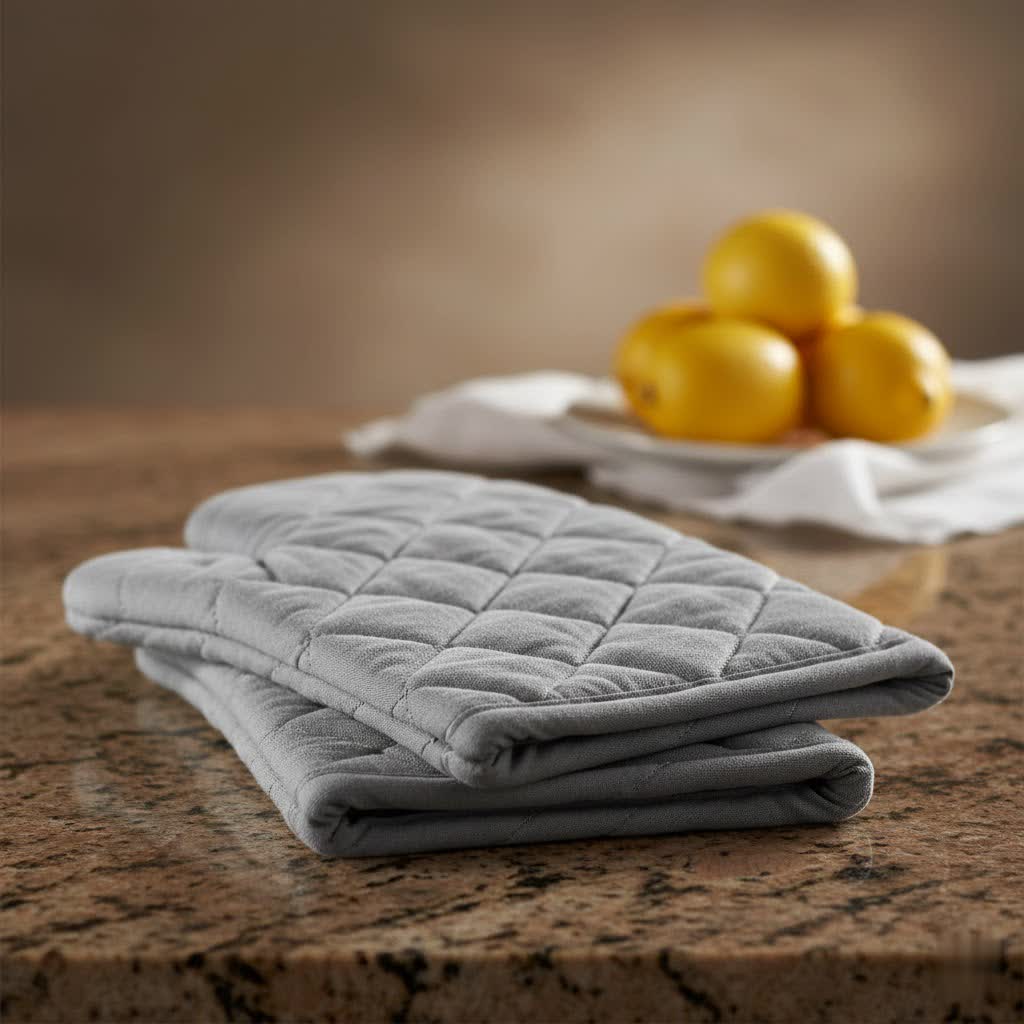
Ever felt that searing heat creep through your oven mitts, or worse, dropped a hot dish because of a slippery grip? It’s a common kitchen nightmare we’ve all faced. The right pair of oven mitts isn’t just a convenience; it’s an essential safety tool that empowers you to handle hot cookware with confidence and precision. With Amazon’s vast selection, finding the perfect oven mitts that offer superior protection, comfort, and durability can feel overwhelming. This comprehensive guide will walk you through everything you need to know, from understanding different materials to identifying key features, ensuring you pick the best oven mitts for your culinary adventures.
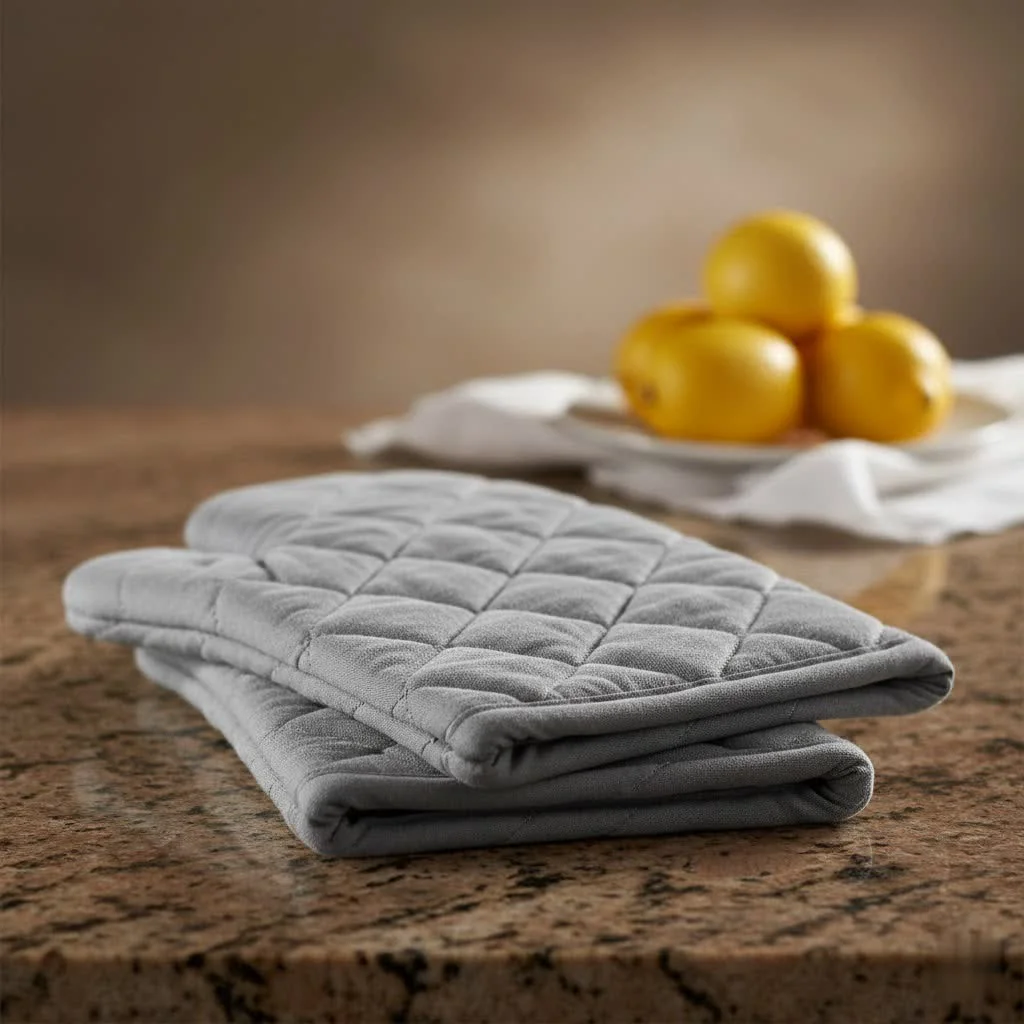
Popular Types of Oven Mitts
The world of oven mitts offers a variety of materials, each with distinct advantages and disadvantages. Understanding these differences is crucial for choosing the right protection for your hands and forearms.
Cotton Oven Mitts
Cotton oven mitts are a classic choice, often celebrated for their soft feel and breathable comfort. They are generally affordable and available in a wide array of colors and patterns, making it easy to match your kitchen decor. However, cotton’s primary drawback is its heat resistance; it tends to be lower than synthetic alternatives and can scorch or even catch fire with prolonged exposure to high temperatures. They also readily absorb liquids, which can transfer heat quickly and compromise safety if you’re dealing with spills. For light baking and occasional use, cotton mitts can be sufficient, but they may not be the best choice for intense heat or prolonged handling.
Silicone Oven Mitts
Silicone oven mitts have surged in popularity due to their exceptional heat resistance and waterproof properties. Their non-porous surface means they won’t absorb hot liquids or steam, offering a significant safety advantage. Many silicone mitts feature textured patterns, like honeycomb designs, that provide an excellent, non-slip grip on various cookware surfaces. While they excel in protection and are remarkably easy to clean – often just requiring a wipe down or a quick rinse – some users find them to be bulkier and less flexible than fabric options, which can slightly reduce dexterity. They might also cause hands to sweat due to their non-breathable nature.
Leather Oven Mitts
Leather oven mitts, particularly those designed for grilling or heavy-duty use, offer impressive durability and a rugged aesthetic. They provide good heat resistance and are often favored for outdoor cooking due to their robust nature. However, leather mitts are typically more expensive and require specific care to maintain their condition; they are not waterproof and can stiffen or crack if exposed to moisture without proper treatment. Dexterity can also be a concern, as new leather can be quite stiff until broken in.
Nomex/Kevlar Oven Mitts
|
Our Picks for the Best Oven Mitts in 2026
As an Amazon Associate I earn from qualifying purchases.
|
||
| Num | Product | Action |
|---|---|---|
| 1 | KITCHENAID Ribbed Soft Silicone Oven Mitt 2-Pack Set, 7.5"x13", Aqua Sky |

|
| 2 | BPA-Free Soft Silicone Oven Mitts - Ultra Heat Resistant Oven Mitts with Thick Cotton Liner - Extra Long Slip Resistant Pot Holders, Flexible Oven Gloves - Aqua/Black 14.7" |
|
| 3 | KITCHENAID Ribbed Soft Silicone Oven Mitt 2-Pack Set, 7.5"x13", Milkshake |
|
| 4 | KITCHENAID Ribbed Soft Silicone Oven Mitt 2-Pack Set, 7.5"x13", Blue Willow |
|
| 5 | BPA-Free Soft Silicone 4 Piece Oven Mitts & Trivets Set - Ultra Heat Resistant Oven Mitts with Thick Cotton Liner - Long Slip Resistant Pot Holders, Flexible Oven Gloves - Aqua |
|
| 6 | BPA-Free Silicone Oven Mitts Ultra Heat Resistant up to 500°F - Oven Mitts with Thick Cotton Liner - Long Slip Resistant Pot Holders, Flexible Oven Gloves - Black 13.7" |
|
| 7 | The Ove Glove - Superior Heat & Flame Hand Protection - Pack of 2 Oven Mitts |
|
| 8 | KITCHENAID Ribbed Soft Silicone Oven Mitt 2-Pack Set, 7.5"x13", Blue Velvet |
|
| 9 | KITCHENAID Ribbed Soft Silicone Oven Mitt 2-Pack Set, 7.5"x13", Beet |
|
| 10 | KITCHENAID Ribbed Soft Silicone Oven Mitt 2-Pack Set, 7.5"x13", Bird of Paradise |
|
For extreme heat applications, such as professional kitchens or serious grilling enthusiasts, oven mitts made from aramid fibers like Nomex or Kevlar offer the highest level of heat resistance. These materials are renowned for their strength and ability to withstand incredibly high temperatures, providing superior safety in demanding environments. While offering unparalleled protection, these specialized mitts are usually the most expensive option and are generally not necessary for everyday home cooking. Their primary focus is on functionality and safety, often resulting in a more industrial look and feel compared to other types.
Criteria for Choosing Oven Mitts on Amazon (Buying Guide)
Selecting the right oven mitts on Amazon involves more than just picking an attractive design. Consider these crucial factors to ensure your choice provides optimal safety and convenience.
Heat Resistance
The most critical feature of any oven mitt is its ability to protect your hands from high temperatures. Always check the manufacturer’s stated temperature rating, which is typically found in the product description. Most standard oven mitts offer protection up to 400-500°F, suitable for everyday baking and roasting. If you frequently use a very hot oven, a broiler, or a grill, look for mitts rated for 600°F or higher to ensure adequate protection against extreme heat. “Choosing the right oven mitt is as crucial as selecting your ingredients; it’s about confidence and safety in the kitchen.” – Chef Anya Sharma, Culinary Safety Expert.
Material
As discussed, the material dictates many performance aspects. Silicone offers excellent heat and water resistance, making it easy to clean. Cotton provides comfort and flexibility, but with less heat protection and absorbency. Blended materials, like cotton with silicone grips, aim to combine the best of both worlds, offering heat resistance with a more comfortable feel. Prioritize materials that are non-toxic and food-safe, especially for mitts that might come into incidental contact with food.
Length
Oven mitts come in various lengths, and the ideal choice depends on your cooking habits. Shorter mitts (around 10-12 inches) offer more flexibility and are great for quick tasks with shallow pans. However, if you often reach deep into a hot oven or handle large baking sheets, longer mitts (13-15 inches or more) provide crucial forearm protection, safeguarding against accidental burns from hot racks or oven walls.
Fit and Dexterity
A good oven mitt should fit comfortably, not too loose to compromise grip, nor too tight to restrict movement. It should allow you to grasp pots, pans, and baking sheets securely without feeling cumbersome. Some designs, like those with individual finger slots (often seen in grilling gloves), offer superior dexterity compared to traditional mitts, which can be advantageous for delicate tasks. Test for flexibility and how easily you can manipulate kitchen tools while wearing them.
Ease of Cleaning
Kitchen mishaps are inevitable, so choose oven mitts that are easy to maintain. Many fabric and silicone-coated mitts are machine washable, simplifying the cleaning process. Pure silicone mitts can often be simply rinsed under the tap or wiped clean, which is a major time-saver for busy cooks. Check product descriptions for care instructions to ensure they align with your routine.
Comparison Table of Oven Mitt Types
Here’s a quick overview of the popular oven mitt materials to help you decide:
| Oven Mitt Type | Pros | Cons | Price Range (Amazon) |
|---|---|---|---|
| Cotton | Affordable, diverse designs, comfortable | Lower heat resistance, absorbs liquids, can scorch | Low |
| Silicone | High heat resistance, waterproof, easy to clean, good grip | Can be bulky, less flexible, may cause sweating | Medium |
| Leather | Durable, good heat resistance, stylish for grilling | Higher price, needs maintenance, not water-resistant | High |
| Nomex/Kevlar | Extreme heat resistance, highly safe, industrial-grade | Very expensive, less common for home use, less dexterity | Very High |
Top Oven Mitts Loved by Amazon Shoppers
Based on extensive testing and user feedback, several oven mitts consistently rank high on Amazon for their performance, durability, and value. While silicone offers superior heat resistance, don’t underestimate the comfort and classic feel of a well-made cotton mitt for everyday baking.
Big Red House Oven Mitts
Often lauded for their versatility and comfort, these mitts combine a cotton exterior with a polyester lining and often feature a rubberized texture for improved grip. They offer excellent overall protection for typical baking tasks without feeling overly bulky. Their streamlined fit means less chance of snagging on oven racks, enhancing safety.
OXO Good Grips Silicone Oven Mitts
A popular choice, OXO’s silicone oven mitts are celebrated for their strong heat protection and secure grip, thanks to their silicone exterior. They are typically long enough to protect forearms and are easy to clean. While the silicone can be a bit stiff, its performance in heat resistance tests often makes it a top contender for handling hot items safely.
HOMWE Extra Long Professional Silicone Oven Mitts
For those needing extended protection, HOMWE’s extra-long silicone mitts are frequently recommended. They are designed to cover more of your forearm, crucial when reaching deep into ovens or handling large, hot items. These mitts typically boast high heat resistance and a waterproof silicone outer shell, ensuring safety from both heat and steam.
Conclusion
Choosing the right oven mitts from Amazon is a simple yet impactful decision that can greatly enhance your safety and enjoyment in the kitchen. By considering factors like heat resistance, material, length, fit, and ease of cleaning, you can confidently select a pair that meets your specific needs. Whether you prefer the robust protection of silicone, the classic comfort of cotton, or the extreme resistance of specialized fibers, Amazon offers a diverse range of options. Invest in quality oven mitts today and empower yourself to handle any hot dish with peace of mind. Which type of oven mitt best suits your culinary adventures?
Frequently Asked Questions
What is the ideal temperature resistance for oven mitts?
For most home cooking, mitts rated for 400-500°F (204-260°C) are sufficient. If you frequently use a broiler, grill, or very high-temperature settings, consider mitts rated for 600°F (315°C) or above for maximum protection.
How often should I replace my oven mitts?
You should replace your oven mitts if they show signs of wear and tear, such as rips, tears, thinning fabric, or if you start feeling heat through them more easily. For safety, inspect them regularly, especially if you use them often.
Are silicone oven mitts better than cotton ones?
Silicone oven mitts generally offer superior heat resistance, are waterproof, and provide a better non-slip grip. Cotton mitts are often more flexible and comfortable. The “better” option depends on your priorities: silicone for maximum protection and easy cleaning, or cotton for comfort and dexterity in moderate heat situations.
Can I wash my oven mitts in the washing machine?
Many fabric and silicone-hybrid oven mitts are machine washable. Always check the care label or product description for specific washing instructions. Silicone-only mitts can usually be wiped clean with a damp cloth or rinsed under water.
What’s the difference between oven mitts and pot holders?
Oven mitts are designed to fully cover your hand and typically extend up the wrist or forearm, providing comprehensive protection. Pot holders are smaller, often square pieces of insulated fabric used for gripping hot handles or as trivets, offering less coverage than mitts.
Cooking gear we tested in our own kitchens
Free PDF — preheat times measured on 10 popular air fryers.
