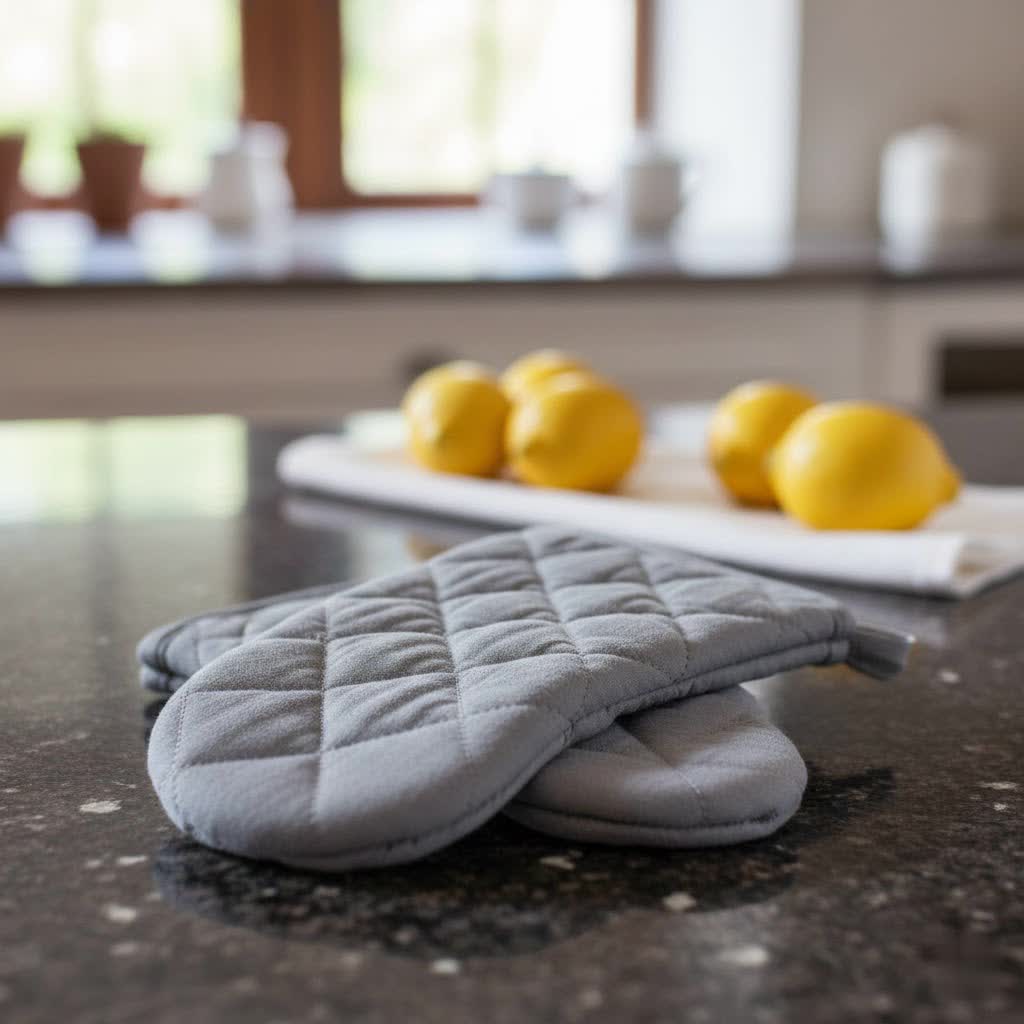
Are you searching for the perfect oven mitts to keep your hands safe while you whip up culinary delights? While the market offers a dizzying array of materials, the classic cotton oven mitt remains a beloved staple in kitchens worldwide. But with so many options, how do you know if cotton is the right choice for your cooking style? This comprehensive guide will delve into everything you need to know about cotton oven mitts, helping you make an informed decision for a safer, more comfortable cooking experience.
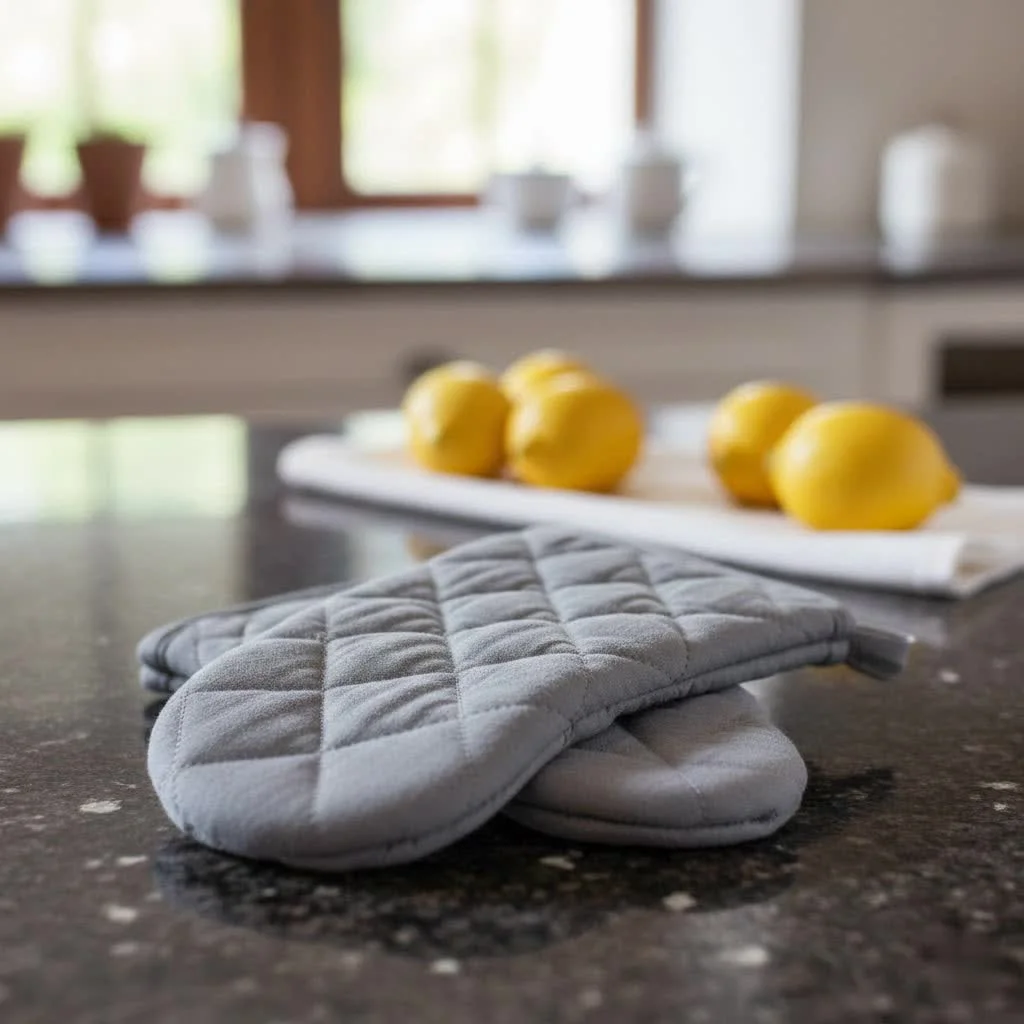
Cotton oven mitts are the quintessential kitchen essential, offering a blend of warmth, flexibility, and a comforting feel that synthetic alternatives often struggle to replicate. Whether you are a seasoned chef or a budding home cook, understanding the nuances of these traditional mitts is crucial for both protection and performance. From gentle baking to handling hot pots and pans, cotton provides a tactile experience that allows for a confident grip, making every task in the kitchen a little easier.
Common Types of Oven Mitts
The world of oven mitts extends beyond simple cotton, encompassing a range of materials designed for various levels of heat protection and kitchen tasks. Each type offers distinct advantages and disadvantages that cater to different cooking needs and preferences.
Traditional Cotton Oven Mitts
Cotton oven mitts are celebrated for their natural softness, breathability, and exceptional comfort. They are typically made from woven cotton fabric, sometimes with additional layers of cotton batting or terry cloth for enhanced insulation. These mitts are highly flexible, allowing for a good range of motion and a secure grip on various cookware shapes. The ease of cleaning, often being machine washable, makes them a practical choice for everyday use. However, pure cotton has a lower heat resistance compared to other materials and can quickly lose its protective qualities if it becomes wet, making it less suitable for tasks involving steam or liquids. Their lifespan may also be shorter with frequent exposure to high heat.
Silicone Oven Mitts
Silicone oven mitts are renowned for their superior heat resistance and waterproof properties. Made from a synthetic rubber polymer, they can withstand extremely high temperatures, often up to 500°F (260°C) or more. Their non-porous surface makes them ideal for handling wet or greasy items, as they won’t absorb liquids or stains and are very easy to clean. Many silicone mitts also feature textured surfaces for an improved non-slip grip. The main downsides often include a stiffer, less flexible feel compared to cotton, which can sometimes reduce dexterity, and a higher price point. Some users also find them less comfortable due to a lack of breathability, which can lead to sweaty hands during prolonged use.
Leather Oven Mitts
|
Our Picks for the Best Oven Mitts in 2026
As an Amazon Associate I earn from qualifying purchases.
|
||
| Num | Product | Action |
|---|---|---|
| 1 | KITCHENAID Ribbed Soft Silicone Oven Mitt 2-Pack Set, 7.5"x13", Blue Willow |

|
| 2 | BPA-Free Silicone Oven Mitts Ultra Heat Resistant up to 500°F - Oven Mitts with Thick Cotton Liner - Long Slip Resistant Pot Holders, Flexible Oven Gloves - Black 13.7" |
|
| 3 | KITCHENAID Ribbed Soft Silicone Oven Mitt 2-Pack Set, 7.5"x13", Blue Velvet |
|
| 4 | BPA-Free Soft Silicone Oven Mitts - Ultra Heat Resistant Oven Mitts with Thick Cotton Liner - Extra Long Slip Resistant Pot Holders, Flexible Oven Gloves - Aqua/Black 14.7" |
|
| 5 | KITCHENAID Ribbed Soft Silicone Oven Mitt 2-Pack Set, 7.5"x13", Aqua Sky |
|
| 6 | KITCHENAID Ribbed Soft Silicone Oven Mitt 2-Pack Set, 7.5"x13", Beet |
|
| 7 | The Ove Glove - Superior Heat & Flame Hand Protection - Pack of 2 Oven Mitts |
|
| 8 | KITCHENAID Ribbed Soft Silicone Oven Mitt 2-Pack Set, 7.5"x13", Bird of Paradise |
|
| 9 | KITCHENAID Ribbed Soft Silicone Oven Mitt 2-Pack Set, 7.5"x13", Milkshake |
|
| 10 | BPA-Free Soft Silicone 4 Piece Oven Mitts & Trivets Set - Ultra Heat Resistant Oven Mitts with Thick Cotton Liner - Long Slip Resistant Pot Holders, Flexible Oven Gloves - Aqua |
|
Leather oven mitts offer exceptional durability and a rugged aesthetic, often favored for grilling or heavy-duty outdoor cooking. They provide good heat resistance and are highly puncture-resistant, making them suitable for handling sharp or abrasive items. However, leather mitts are typically less flexible than cotton or silicone and require specific care to maintain their condition, as they are not usually machine washable and can be damaged by water. Their cost is generally higher, and they can feel quite stiff, particularly when new, requiring a break-in period.
Nomex/Kevlar Oven Mitts (Aramid Fibers)
Mitts made from aramid fibers like Nomex or Kevlar represent the pinnacle of heat resistance, often used in industrial settings or for extreme grilling and barbecuing. These materials are inherently flame-resistant and can withstand incredibly high temperatures, far beyond what traditional kitchen ovens reach. They offer excellent protection and are highly durable. The primary drawbacks are their significantly higher cost, often more specialized appearance, and potentially less comfortable feel for everyday kitchen tasks compared to softer materials. They are designed for maximum safety in professional or high-risk environments.
Hybrid Oven Mitts (Cotton with Silicone or Neoprene Accents)
Hybrid oven mitts aim to combine the best features of different materials. These often consist of a comfortable cotton or terry-cloth lining for a soft feel and breathability, paired with an exterior or strategic grip areas made from silicone or neoprene. This design offers enhanced heat resistance and a non-slip grip from the synthetic components, while retaining the comfort and flexibility of the cotton interior. They provide a balanced solution, delivering superior protection for hands and forearms, as the silicone-enhanced areas are waterproof and can handle hot, steamy items more effectively. Many brands offer these hybrid options, making them a popular choice for versatility and balanced performance.
Essential Criteria for Choosing Oven Mitts
Selecting the right oven mitt is a critical decision for any home cook, impacting both safety and efficiency in the kitchen. To ensure you choose the best pair for your needs, consider several key factors beyond just aesthetics.
Heat Resistance
The primary function of an oven mitt is to protect your hands from high temperatures. Always check the heat resistance rating, usually expressed in degrees Fahrenheit or Celsius. For typical home baking and roasting, mitts rated to at least 400°F (200°C) are generally sufficient. However, if you frequently work with very hot items, use a broiler, or grill, opt for mitts with higher ratings, ideally 500°F (260°C) or more. Consider the duration of heat exposure; some mitts offer excellent momentary protection, while others are designed for longer holds.
Material
The choice of material significantly affects performance. Cotton offers comfort, flexibility, and breathability, making it pleasant for everyday use, but its heat resistance is limited, especially when wet. Silicone provides superior heat and water resistance, along with an excellent non-slip grip, but can be less flexible and breathable. Hybrid mitts, combining cotton with silicone or neoprene, offer a balanced approach, delivering comfort with enhanced protection and grip. Evaluate your most common cooking tasks to determine which material properties are most important to you.
Length and Coverage
Adequate length is vital for comprehensive protection. Longer oven mitts extend further up the forearm, safeguarding against accidental burns when reaching into deep ovens or handling large, bulky items. A mitt that covers at least part of your forearm is highly recommended, especially for baking enthusiasts or those who frequently use Dutch ovens and heavy casserole dishes. Shorter mitts might offer more dexterity but leave more skin exposed, increasing the risk of burns.
Fit and Dexterity
A well-fitting oven mitt enhances both safety and control. Mitts that are too loose can slip, compromising your grip and increasing the risk of dropping hot items. Conversely, mitts that are too tight can restrict movement and feel uncomfortable. Look for mitts that offer a snug yet comfortable fit, allowing for sufficient finger movement to grasp and maneuver pots and pans securely. Some mitts feature ergonomic designs or pre-curved shapes to improve dexterity and natural hand movement.
Ease of Cleaning
Kitchen accidents happen, and your oven mitts are bound to get dirty. Prioritize mitts that are easy to clean. Many cotton and hybrid mitts are machine washable, simplifying maintenance and ensuring hygiene. Silicone mitts are often wipeable and sometimes dishwasher-safe. Understanding the cleaning requirements before purchasing will save you time and effort in the long run and help maintain your mitts’ protective qualities.
Comparative Table: Oven Mitt Materials
To help you visualize the strengths and weaknesses of different oven mitt materials, here’s a quick comparison:
| Type of Oven Mitt | Advantages | Disadvantages | Typical Heat Resistance | Comfort & Dexterity |
|---|---|---|---|---|
| Cotton | Soft, breathable, flexible, affordable, wide designs, machine washable | Lower heat resistance, less effective when wet, shorter lifespan | Up to 350-400°F (175-200°C) | High comfort, good dexterity |
| Silicone | High heat resistance, waterproof, non-slip grip, easy to clean, durable | Can be stiff, less breathable, higher cost | Up to 500°F+ (260°C+) | Moderate comfort, can reduce dexterity |
| Leather | Extremely durable, good heat protection, puncture resistant, stylish | Stiff, requires special care, not machine washable, high cost | Varies, often 450°F+ (230°C+) | Moderate comfort, lower dexterity |
| Nomex/Kevlar | Extreme heat and flame resistance, industrial-grade protection, highly durable | Very expensive, less comfortable, specialized look | Up to 600°F+ (315°C+) | Low comfort, moderate dexterity |
| Hybrid (Cotton/Silicone) | Balances comfort and protection, improved grip, often machine washable | Can be pricier than pure cotton, may still have some bulk | Up to 450-500°F (230-260°C) | High comfort, good dexterity |
Top-Rated Cotton Oven Mitts for Your Kitchen
When it comes to selecting the best cotton oven mitts, many popular brands consistently receive high praise for their durability, heat resistance, and user-friendly features. While specific product availability may vary, these general descriptions highlight what makes top cotton oven mitts stand out in a busy kitchen.
The Everyday Essential Cotton Mitt
This category often includes mitts known for their classic, all-cotton construction, offering exceptional comfort and a natural feel. They typically feature multiple layers of quilted cotton for decent insulation, making them suitable for everyday baking and light roasting. These mitts are highly valued for their machine washability and range of vibrant colors and patterns, allowing them to blend seamlessly with any kitchen decor. While their heat threshold might be slightly lower than hybrid options, their ease of use and affordability make them a go-to for many home cooks.
Reinforced Cotton Mitt with Silicone Grip
A step up in protection, these popular hybrid mitts incorporate the best of both worlds. They feature a plush cotton interior for comfort and flexibility, coupled with strategically placed silicone patterns or coatings on the exterior palm and thumb areas. This silicone addition dramatically improves heat resistance and provides an unparalleled non-slip grip, essential for safely handling heavy, hot, or even slightly greasy pans. Many users appreciate the extended length of these mitts, which offers additional forearm protection, making them versatile for a wide array of cooking and grilling tasks.
The Professional-Grade Heavy-Duty Cotton Mitt
Designed for more demanding kitchen environments or serious home chefs, these cotton mitts boast an extra-thick, densely woven cotton construction, often with specialized inner linings for enhanced thermal insulation. They are built for maximum durability and sustained heat protection, providing a longer “hot hold” time before heat transfer becomes uncomfortable. While slightly less flexible than their lighter counterparts, their robust build ensures reliability when moving heavy cast iron or large roasts from intensely hot ovens. These mitts typically maintain the machine-washable convenience of cotton, despite their substantial construction.
> “The tactile feedback of a good cotton oven mitt is irreplaceable. It allows for a natural feel and confident grip that can make all the difference when maneuvering delicate bakes or heavy roasts.” – Chef Eleanor Vance, Culinary Institute Lead Instructor
Conclusion
Choosing the right cotton oven mitts is a small but significant step towards a safer and more enjoyable cooking experience. From their comforting embrace to their dependable protection, these kitchen essentials have stood the test of time for good reason. Whether you opt for a traditional all-cotton design or a modern hybrid with silicone enhancements, prioritizing factors like heat resistance, material quality, proper length, and a comfortable fit will guide you to the perfect pair. Remember, well-chosen oven mitts are more than just accessories; they are your trusty partners in culinary creation.
What are your go-to features when selecting the perfect cotton oven mitts for your kitchen?
Frequently Asked Questions
How often should I replace my cotton oven mitts?
You should consider replacing your cotton oven mitts every 1-2 years, or sooner if you notice visible signs of wear such as thinning fabric, holes, scorch marks, or if you start feeling heat through them more easily. Regular inspections ensure continued safety in the kitchen.
Are cotton oven mitts better than silicone for everyday baking?
For everyday baking, many prefer cotton oven mitts due to their comfort, flexibility, and breathability. However, silicone mitts offer superior heat and water resistance, making them better for very hot items or tasks involving steam. A hybrid cotton-silicone mitt can offer a great balance.
Can I machine wash my cotton oven mitts?
Most cotton oven mitts are machine washable, which is a significant advantage for hygiene. Always check the care label for specific instructions to ensure longevity and maintain their protective qualities. Washing them regularly helps remove stains and food residue.
Do cotton oven mitts provide good grip?
Pure cotton oven mitts offer a decent grip, especially when dry. However, their grip can be compromised if they become wet or greasy. Many modern cotton mitts incorporate silicone patterns on the palm for enhanced, non-slip grip, combining comfort with improved security.
What temperature can cotton oven mitts withstand?
Traditional cotton oven mitts typically withstand temperatures up to 350-400°F (175-200°C) for short periods. Their effectiveness is reduced at higher temperatures or with prolonged exposure. For oven temperatures above 400°F, or for grilling, hybrid or silicone mitts are generally recommended for better protection.
Cooking gear we tested in our own kitchens
Free PDF — preheat times measured on 10 popular air fryers.

I appreciate the info on cotton mitts, but I found that mine stained pretty easily after handling a greasy pan. While they’re good for general baking, I wish they were a bit more resistant to spills. I still prefer them for their warmth and flexibility, but I’ll probably look for a darker color next time.
I was on the fence about upgrading my old mitts, but the point about cotton’s comforting feel really resonated. I just got a new pair and they’re great for handling hot pots, especially when I’m making a big batch of pasta. They feel much more secure than my previous synthetic ones, which always felt a bit slippery.
As a seasoned chef at home, I can attest to the importance of good oven mitts. The traditional cotton ones are truly unmatched for both protection and performance. I’ve tried other materials, but nothing beats the grip and heat resistance of a quality cotton mitt when I’m pulling a heavy paella pan out of the oven. Highly recommend!
I’ve always used cotton oven mitts, and this guide really confirmed why they’re the best. I do a lot of baking, and the flexibility is key for getting trays in and out of the oven without fumbling. Plus, they’re so much more comfortable than those stiff silicone ones. Definitely sticking with cotton for my kitchen!