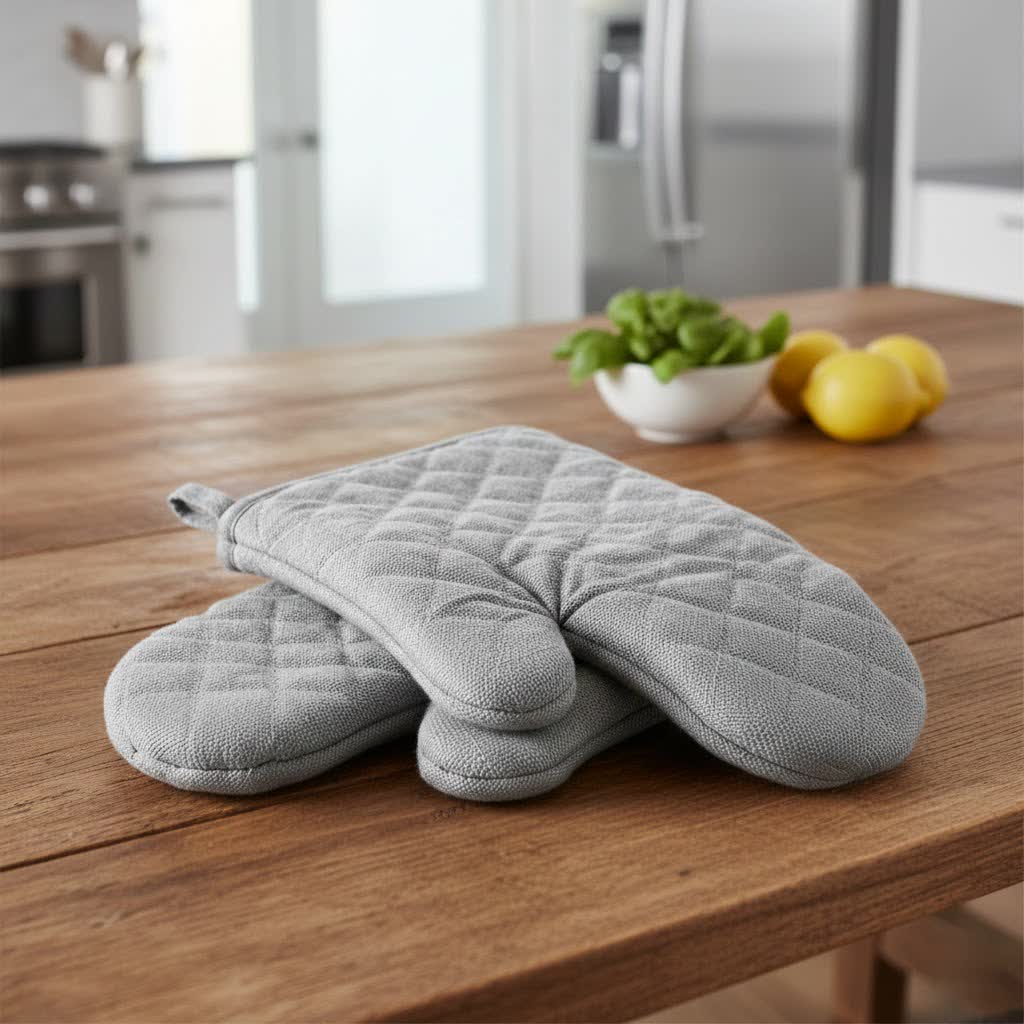
As someone who has spent years in the kitchen, experimenting with countless culinary tools, I understand the vital role a reliable pair of oven mitts plays in ensuring both safety and enjoyment during cooking. Temptations oven mitts have carved out a niche with their charming designs, often appealing to those who desire kitchenware that combines functionality with aesthetic appeal. However, it’s crucial for every home chef to be aware of an important safety recall concerning these gloves.
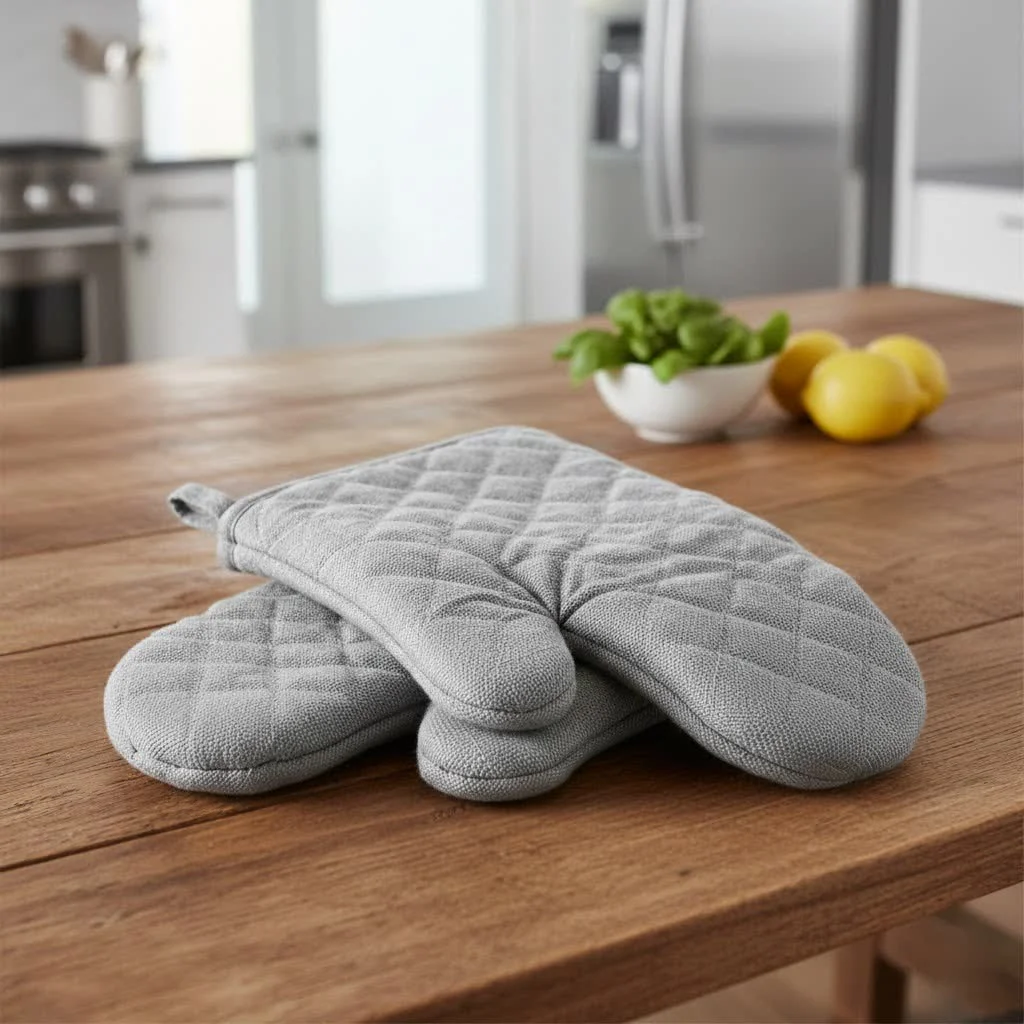
Temptations oven mitts, often seen on popular shopping channels, are known for their distinctive decorative patterns, ranging from seasonal themes to florals and even whimsical food motifs. Unlike traditional mitts that keep your fingers together, many Temptations gloves offer individual finger slots, enhancing dexterity—a feature often praised by users for allowing a better grip on hot bakeware. These gloves typically feature silicone accents on both sides, further aiding in secure handling. Made from a blend of cotton and elastane, with an interior of layered combed cotton, they are designed to be machine washable for easy care. An extended cuff often provides additional protection for wrists and forearms.
The Critical Safety Recall: What Every Owner Needs to Know
Despite their appealing design and features, a significant safety concern led to a recall of Temp-tations Oven Gloves by QVC. On December 05, 2024, approximately 1.1 million pairs of these gloves were recalled due to a “burn hazard.” The U.S. Consumer Product Safety Commission (CPSC) reported that the oven gloves could fail to provide sufficient heat protection, leading to 162 reports of insufficient heat protection and 92 documented cases of minor burns.
The recall affects Temp-tations Oven Gloves sold by QVC from August 2018 through August 2024. These were sold individually, in sets of two, or bundled with other kitchen items like drying mats or trivets. They come in various colors and prints, including blue, yellow, red, floral, and summer shell, under specific model numbers such as K51459, K76398, K47973, K48879, K85322, K96004, K92603, K308719, K309220, K309388, and K309516. If you own any of these recalled models, it is imperative to immediately stop using them and contact QVC for a refund. This recall underscores the critical importance of safety in kitchen tools, reminding us that aesthetics should never compromise protection.
Beyond Temptations: Essential Types of Oven Mitts for Kitchen Safety
When selecting oven mitts, understanding the different types and their capabilities is paramount for ensuring your safety in a hot kitchen environment.
Cotton Oven Mitts
|
Our Picks for the Best Oven Mitts in 2026
As an Amazon Associate I earn from qualifying purchases.
|
||
| Num | Product | Action |
|---|---|---|
| 1 | BPA-Free Soft Silicone 4 Piece Oven Mitts & Trivets Set - Ultra Heat Resistant Oven Mitts with Thick Cotton Liner - Long Slip Resistant Pot Holders, Flexible Oven Gloves - Aqua |

|
| 2 | KITCHENAID Ribbed Soft Silicone Oven Mitt 2-Pack Set, 7.5"x13", Aqua Sky |
|
| 3 | KITCHENAID Ribbed Soft Silicone Oven Mitt 2-Pack Set, 7.5"x13", Blue Velvet |
|
| 4 | BPA-Free Soft Silicone Oven Mitts - Ultra Heat Resistant Oven Mitts with Thick Cotton Liner - Extra Long Slip Resistant Pot Holders, Flexible Oven Gloves - Aqua/Black 14.7" |
|
| 5 | BPA-Free Silicone Oven Mitts Ultra Heat Resistant up to 500°F - Oven Mitts with Thick Cotton Liner - Long Slip Resistant Pot Holders, Flexible Oven Gloves - Black 13.7" |
|
| 6 | KITCHENAID Ribbed Soft Silicone Oven Mitt 2-Pack Set, 7.5"x13", Bird of Paradise |
|
| 7 | KITCHENAID Ribbed Soft Silicone Oven Mitt 2-Pack Set, 7.5"x13", Beet |
|
| 8 | The Ove Glove - Superior Heat & Flame Hand Protection - Pack of 2 Oven Mitts |
|
| 9 | KITCHENAID Ribbed Soft Silicone Oven Mitt 2-Pack Set, 7.5"x13", Blue Willow |
|
| 10 | KITCHENAID Ribbed Soft Silicone Oven Mitt 2-Pack Set, 7.5"x13", Milkshake |
|
Cotton oven mitts are widely available and often the most budget-friendly option. They come in a vast array of designs, making it easy to match your kitchen decor. However, their primary drawback is their heat resistance, which is typically lower than other materials. They are also prone to absorbing liquids, which can quickly transfer heat and lead to burns if wet.
Silicone Oven Mitts
Recognized for their excellent heat resistance and waterproof properties, silicone oven mitts are a popular choice. They are easy to clean, often simply requiring a wipe or a rinse. While highly effective at insulating against heat, some users find them less flexible than fabric gloves, which can occasionally hinder grip and dexterity.
Leather Oven Mitts
Primarily used for grilling or handling extremely hot cast iron cookware, leather oven mitts offer superior durability and good heat resistance. Their robust nature makes them suitable for high-heat tasks. However, they are generally more expensive and require specific care, as they can stiffen or crack if exposed to moisture or extreme heat without proper conditioning.
Nomex/Kevlar Oven Mitts
These advanced oven mitts are crafted from aramid fibers like Nomex and Kevlar, materials renowned for their exceptional heat and flame resistance, often used in industrial or firefighting applications. They provide robust protection against very high temperatures and are excellent for specialized cooking tasks or outdoor grilling. Their main disadvantages are their higher cost and typically more specialized appearance, which might not suit every kitchen aesthetic.
Your Ultimate Buying Guide: Choosing the Right Oven Mitts for Your Kitchen
Selecting the ideal pair of oven mitts involves more than just picking a pretty pattern. Consider these crucial factors to ensure maximum safety and functionality.
Heat Resistance Rating
The most critical criterion is the mitt’s ability to withstand high temperatures. Always check for a clear heat resistance rating, often expressed in degrees Fahrenheit or Celsius. Ensure the rating exceeds the maximum temperature you typically use your oven or grill at. For instance, if you often bake at 450°F, your mitts should be rated for at least that temperature, preferably higher for a safety margin.
Material Composition
The material directly impacts heat protection, grip, and durability.
- Silicone offers excellent heat resistance and is waterproof, making it ideal for handling wet or greasy items.
- Heavy-duty cotton with multiple layers can provide good insulation for moderate temperatures.
- Aramid fibers (like Nomex or Kevlar) are best for extreme heat applications.
- Leather is durable for grilling but less flexible for fine tasks.
Length and Coverage
Look for mitts with extended cuffs that cover not just your hands but also a significant portion of your forearms. This extra length provides crucial protection against accidental burns when reaching deep into a hot oven or over hot grill grates.
Fit and Dexterity
An oven mitt should fit snugly enough to prevent slippage but not be so tight that it restricts movement. The ability to comfortably grip and maneuver hot pans and dishes is essential. Some prefer “glove” style mitts with individual finger slots for enhanced dexterity, while others find traditional “mitt” styles sufficient. Test the mitts to ensure you can securely hold various kitchen items.
Ease of Cleaning
Kitchen environments can be messy. Choose oven mitts that are easy to clean. Many modern mitts, especially those with silicone components or high-quality cotton, are machine washable, which is a significant convenience. Avoid mitts that require delicate hand-washing if you anticipate frequent use.
Comparison Table: Popular Oven Mitt Materials
| Type of Oven Mitt | Key Advantages | Key Disadvantages | Typical Use |
|---|---|---|---|
| Cotton | Inexpensive, soft, wide variety of designs | Lower heat resistance, absorbs moisture, can ignite | Everyday baking, light cooking |
| Silicone | Excellent heat resistance, waterproof, easy to clean, non-slip grip | Can be less flexible, may feel bulky | Roasting, stovetop, handling wet items |
| Leather | Durable, good for high-heat, rugged style | Stiff, requires specific care, not waterproof | Grilling, outdoor cooking, cast iron |
| Nomex/Kevlar | Extreme heat and flame resistance, high performance | More expensive, less common for home use, specialized look | High-temperature grilling, industrial use |
Types of Highly-Regarded Oven Mitts for Modern Kitchens
Choosing a safe and effective oven mitt is paramount for anyone spending time in the kitchen. While specific brands and models evolve, certain characteristics consistently define highly-regarded options:
- High-Performance Silicone Gloves: These gloves combine excellent heat protection, often up to 500°F or more, with textured surfaces for superior grip. Their waterproof nature makes them ideal for basting or handling juicy roasts without fear of steam burns.
- Multi-Layered Cotton/Aramid Fiber Blends: For those who prefer the feel of fabric, advanced cotton blends often incorporate aramid fibers (like those found in Nomex or Kevlar) within their layers. This combination provides a balance of flexibility, comfort, and significant heat resistance, crucial for safely handling hot baking sheets and casserole dishes.
- Extended Cuff Heat Protection: The best oven mitts offer generous length, extending well past the wrist to protect the forearm from accidental contact with hot oven racks or grill grates. This added coverage is a key feature in ensuring comprehensive safety during cooking.
“Safety in the kitchen should never be an afterthought. Your oven mitts are your first line of defense against burns, so invest in quality materials and proper heat ratings. It’s a small decision that makes a huge difference.” – Admin, reviewscbna.com, Technical Specialist in Oven Mitts
Conclusion
Temptations oven mitts brought unique style and features to many kitchens, but the recent QVC recall for insufficient heat protection highlights that aesthetic appeal must always be secondary to safety. It’s a stark reminder that even familiar kitchen essentials require scrutiny. When you reach for your next pair of oven mitts, prioritize clear heat ratings, appropriate materials for your cooking style, and a design that offers comprehensive protection and reliable grip. Don’t let style tempt you into compromising on safety; your hands deserve the best protection.
What’s the most important factor for you when choosing a new pair of oven mitts?
Frequently Asked Questions
Are Temptations Oven Mitts safe to use?
No, the Temp-tations Oven Gloves were recalled by QVC on December 05, 2024, due to insufficient heat protection, posing a burn hazard to consumers. Owners should immediately stop using them and contact QVC for a refund.
What are Temptations Oven Mitts typically made of?
Temptations Oven Mitts are generally made from a blend of cotton and elastane, featuring layered combed cotton on the inside for insulation and often silicone accents on both sides for enhanced grip.
How do I care for my oven mitts?
Many modern oven mitts, particularly those made from cotton blends or silicone, are machine washable. It is generally recommended to air dry them. Always check the manufacturer’s specific care instructions for your particular mitts.
What should I look for in a safe and effective oven mitt?
When choosing oven mitts, prioritize high heat resistance ratings, durable materials like silicone or aramid fibers, extended length to protect forearms, a snug yet flexible fit for good dexterity, and ease of cleaning. Always put safety first.
Cooking gear we tested in our own kitchens
Free PDF — preheat times measured on 10 popular air fryers.
