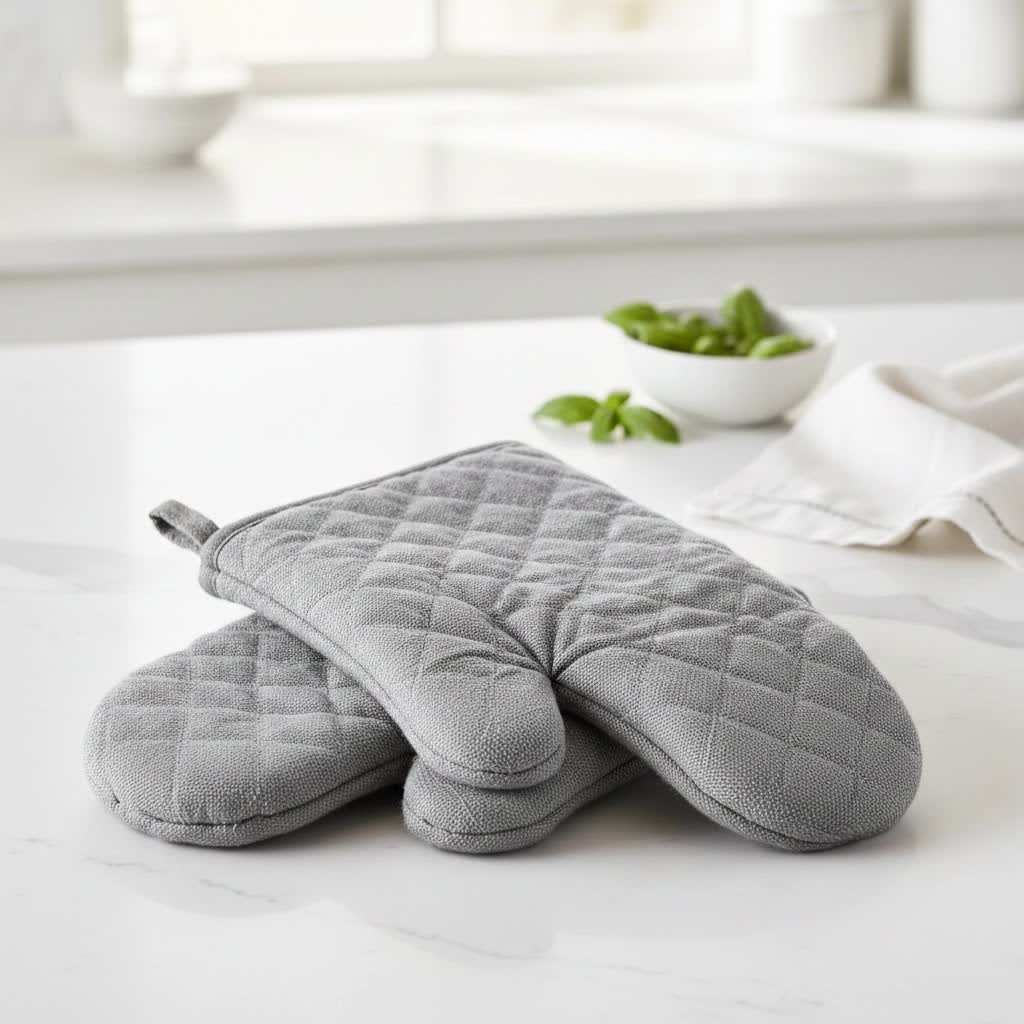
Stepping into the kitchen, whether you’re a seasoned chef or a home cooking enthusiast, often involves navigating intense heat. From scorching baking sheets to sizzling cast iron skillets, hot cookware is an unavoidable part of the culinary journey. This is where high-quality oven mitts and pot holders become indispensable kitchen allies, shielding your hands and forearms from painful burns and ensuring a secure grip on hot items. Choosing the right protection is not just about avoiding injury; it’s about confidently handling hot dishes and elevating your cooking experience. This comprehensive guide will explore everything you need to know about oven mitts and pot holders, helping you select the perfect pair to tackle any kitchen challenge.
Common Types of Oven Mitts and Pot Holders
The world of hand protection in the kitchen offers a variety of options, each with distinct advantages and ideal uses. Understanding these types is the first step to finding your perfect match.
Cotton Oven Mitts and Pot Holders
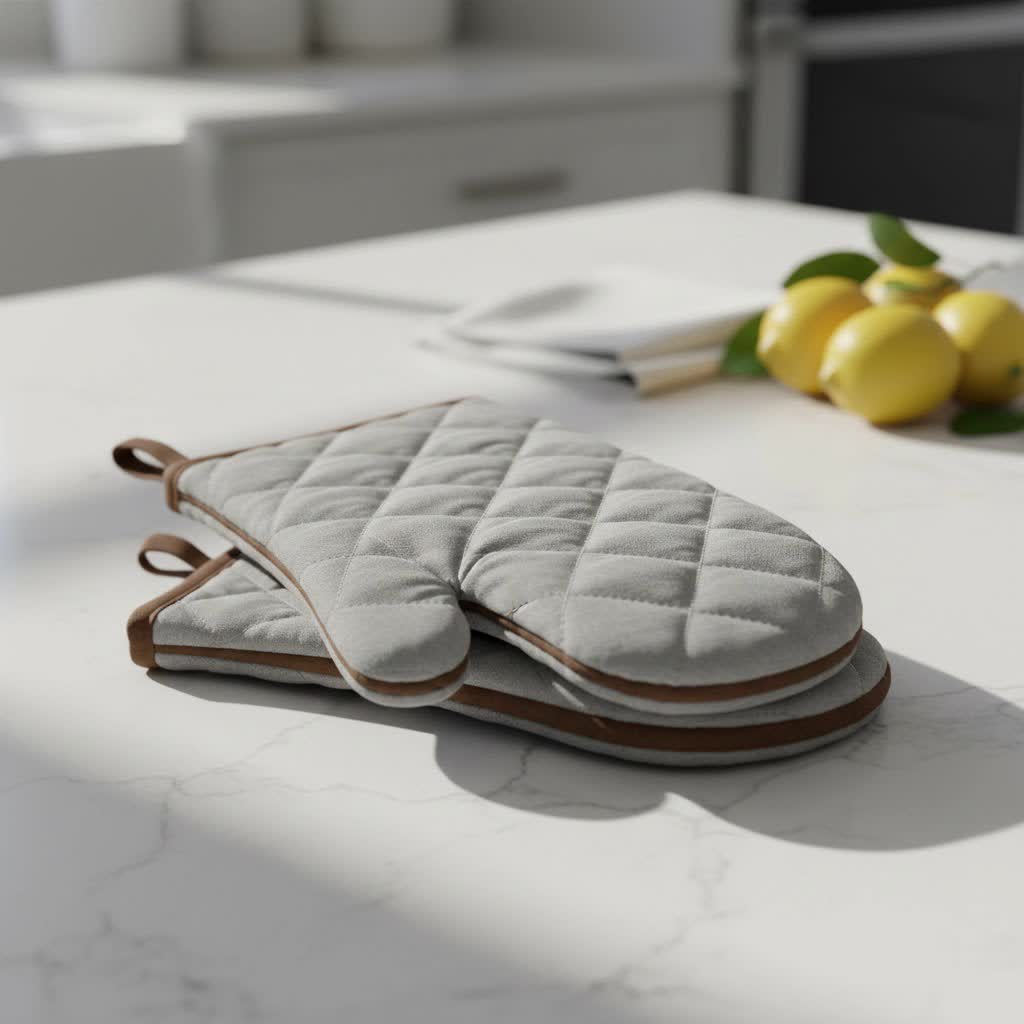
Cotton has long been a traditional choice for oven mitts and pot holders, known for its soft, comfortable feel and affordability. These are typically made from layered or quilted thick fabric to provide insulation.
- Pros: Generally inexpensive, widely available in various designs and colors, comfortable, and often machine washable for easy care.
- Cons: Lower heat resistance compared to synthetic alternatives, can absorb liquids easily leading to steam burns, and may wear out faster with frequent high-heat exposure. Pure cotton oven mitts are generally safe for temperatures up to 200-250°F, while pot holders may have thinner insulation.
|
Our Picks for the Best Oven Mitts in 2026
We may earn a commission when you use one of our links to make a purchase.
|
||
| Num | Product | Action |
|---|---|---|
| 1 | KITCHENAID Ribbed Soft Silicone Oven Mitt 2-Pack Set, 7.5"x13", Milkshake |

|
| 2 | BPA-Free Silicone Oven Mitts Ultra Heat Resistant up to 500°F - Oven Mitts with Thick Cotton Liner - Long Slip Resistant Pot Holders, Flexible Oven Gloves - Black 13.7" |
|
| 3 | BPA-Free Soft Silicone Oven Mitts - Ultra Heat Resistant Oven Mitts with Thick Cotton Liner - Extra Long Slip Resistant Pot Holders, Flexible Oven Gloves - Aqua/Black 14.7" |
|
| 4 | KITCHENAID Ribbed Soft Silicone Oven Mitt 2-Pack Set, 7.5"x13", Bird of Paradise |
|
| 5 | KITCHENAID Ribbed Soft Silicone Oven Mitt 2-Pack Set, 7.5"x13", Beet |
|
| 6 | KITCHENAID Ribbed Soft Silicone Oven Mitt 2-Pack Set, 7.5"x13", Blue Willow |
|
| 7 | KITCHENAID Ribbed Soft Silicone Oven Mitt 2-Pack Set, 7.5"x13", Aqua Sky |
|
| 8 | KITCHENAID Ribbed Soft Silicone Oven Mitt 2-Pack Set, 7.5"x13", Blue Velvet |
|
| 9 | The Ove Glove - Superior Heat & Flame Hand Protection - Pack of 2 Oven Mitts |
|
| 10 | BPA-Free Soft Silicone 4 Piece Oven Mitts & Trivets Set - Ultra Heat Resistant Oven Mitts with Thick Cotton Liner - Long Slip Resistant Pot Holders, Flexible Oven Gloves - Aqua |
|
Silicone Oven Mitts and Pot Holders
Silicone has emerged as a modern favorite, prized for its superior heat resistance, waterproof properties, and excellent grip. Many silicone mitts are lined with cotton for added comfort.
- Pros: Outstanding heat resistance (often up to 500°F or more), waterproof and stain-resistant, easy to clean (often dishwasher-safe or wipeable), and provides a secure, non-slip grip, even on wet or greasy surfaces.
- Cons: Can sometimes feel less flexible or bulky than fabric options, potentially reducing dexterity. Some users might find them less breathable, leading to sweaty hands during prolonged use.
Leather Oven Mitts (and Grilling Gloves)
While less common for everyday baking, leather offers exceptional durability and a rugged aesthetic, making it a popular choice for specialized tasks like grilling or working with very hot, heavy items.
- Pros: Extremely durable and long-lasting, offers good heat resistance, and provides a robust grip. They often develop a unique patina over time.
- Cons: Higher price point, requires more maintenance (not typically machine washable, needs conditioning), can be stiff and less flexible, and is not waterproof. These are often seen as “grilling gloves” which provide individual finger slots for better dexterity.
Advanced Heat-Resistant Fabrics
For professional kitchens or avid grill masters, mitts made from advanced synthetic fibers like Nomex or Kevlar offer extreme heat protection, similar to what firefighters use. These often have a fabric feel but boast significantly higher temperature ratings.
- Pros: Excellent heat resistance (some rated for 650°F to over 900°F), high durability, and offer good flexibility and dexterity. They are often lighter than some silicone options.
- Cons: Typically the most expensive option, may be harder to find, and usually designed for specific, high-heat applications rather than general kitchen use.
Criteria for Choosing Oven Mitts and Pot Holders (Buying Guide)
Selecting the best oven mitts and pot holders requires careful consideration of several factors to ensure safety, comfort, and effectiveness in your cooking endeavors.
Heat Resistance
The primary function of oven mitts and pot holders is to protect your hands from heat. Always check the manufacturer’s specified temperature rating. For general oven use (up to 400°F), mitts rated for at least 450°F are recommended. If you frequently work with high-heat cooking methods like broiling or using cast iron, which can reach 500°F or more, opt for mitts that can withstand temperatures of 500-550°F. For outdoor grilling or pizza ovens, look for specialized grilling gloves rated for up to 900°F.
Material
As discussed, different materials offer varying benefits. Silicone is excellent for high heat and grip, while cotton provides comfort and flexibility. Many top-rated products combine materials, featuring a silicone exterior for heat and grip, and a soft cotton or polyester lining for comfort and added insulation. Consider your primary cooking style and the typical temperatures you encounter when deciding on the best material blend for your needs.
Length and Coverage
Oven mitts come in various lengths. Standard mitts cover the hand and wrist, while “extra-long” versions extend further up the forearm. Longer mitts offer crucial protection against accidental burns when reaching deep into a hot oven or handling large, bulky pans that might brush against your arm. Pot holders, by design, offer less coverage, typically protecting only the palm. Consider the types of dishes you handle most often: if you frequently bake or roast, longer mitts are a safer bet.
Fit and Dexterity
A good fit is crucial for safe handling. Mitts should be snug enough to prevent slipping but loose enough to allow comfortable hand movement and finger articulation. Overly bulky mitts can reduce dexterity, making it difficult to grip smaller items or adjust your hold on a pan. Some mitts are designed with five individual finger slots (oven gloves) to maximize dexterity, which can be particularly useful for grilling. Test the fit and flexibility to ensure you can confidently grab and maneuver hot items.
Cleanability
Kitchen protection is prone to spills and grease. Easy-to-clean options save time and maintain hygiene. Many cotton and silicone mitts are machine washable, making cleanup straightforward. Silicone can often be wiped clean or even placed in a dishwasher. Check the care instructions before purchasing to ensure the mitts align with your cleaning preferences.
Comparison Table: Oven Mitts and Pot Holders
| Type of Hand Protection | Key Advantages | Key Disadvantages | Typical Price Range |
|---|---|---|---|
| Cotton Mitts | Affordable, comfortable, wide variety of designs, machine washable | Lower heat resistance, can absorb liquids, less durable | Low |
| Silicone Mitts | High heat resistance, waterproof, excellent non-slip grip, easy to clean | Can be bulky, less flexible, potential for sweaty hands | Medium |
| Leather Mitts | Extremely durable, good heat resistance, stylish, robust grip (especially for grilling) | High price, requires maintenance, not waterproof, less flexible | High |
| Advanced Fabric Mitts | Extreme heat resistance, lightweight, good flexibility, high durability | Very high price, specialized use, limited availability | Very High |
| Pot Holders | Compact, versatile as trivets, simple, affordable | Limited coverage (palm only), less secure grip, varying heat resistance | Low |
Top Oven Mitts and Pot Holders Currently Popular
Based on expert testing and widespread positive user feedback, several oven mitts and pot holders consistently stand out for their performance, durability, and thoughtful design. These products often combine innovative materials and ergonomic features to deliver superior protection and functionality in the kitchen.
All-Clad Silicone Oven Mitts
These mitts are frequently praised for being a top performer overall, combining cotton and silicone for a comfortable interior and a non-slip, heat-resistant exterior. They offer excellent hand and forearm protection and are machine washable.
OXO Good Grips Silicone Pot Holder
A standout for pot holders, this option is noted for its exceptional heat protection and soft lining. Its silicone construction ensures a superior grip, making it a reliable choice for grabbing hot pot handles or serving as a trivet.
Big Red House Oven Mitts
These oven mitts consistently rank high for their versatility, comfort, and protective capabilities. Featuring a cotton exterior with a rubberized texture and a polyester lining, they strike a balance between flexibility and grip, handling hot items effectively without excessive bulk.
Homwe Extra Long Professional Silicone Oven Mitt
Ideal for those seeking extensive coverage, the Homwe extra-long mitts protect both hands and forearms. Their patterned silicone exterior provides a secure grip, and the flexible design makes them easy to maneuver, though some users note quicker heat transfer with prolonged exposure.
Grill Armor Extreme Resistant Oven Gloves
For high-heat tasks like grilling or working with a smoker, these gloves are a popular choice. Offering individual finger slots, they provide superior dexterity and extreme heat resistance, making them perfect for outdoor cooking where precision and protection are paramount.
Conclusion
Choosing the right oven mitts and pot holders is a vital decision for anyone who spends time in the kitchen. The ideal choice balances heat resistance, material quality, length, fit, and ease of cleaning to suit your cooking habits and ensure your safety. Whether you prefer the classic comfort of cotton, the robust protection of silicone, or the specialized performance of advanced fabrics, investing in a high-quality pair means you can handle hot cookware with confidence and peace of mind. Protect your hands, enjoy your cooking, and avoid those unexpected kitchen burns! What type of oven mitt or pot holder will become your next kitchen essential?
Câu Hỏi Thường Gặp
Are silicone oven mitts better than cotton ones for heat protection?
Generally, yes. Silicone oven mitts typically offer higher heat resistance and are waterproof, preventing steam burns that can occur with damp cotton mitts. They also provide a superior non-slip grip on hot, greasy surfaces, making them a safer choice for intense heat.
What temperature resistance should I look for in oven mitts?
For most home cooking and baking, oven mitts rated for at least 400-450°F are sufficient. If you frequently use a broiler, cast iron, or other high-heat methods, opt for mitts rated up to 500-550°F. Grilling gloves may offer even higher resistance, often exceeding 600°F.
How do I clean my oven mitts and pot holders?
Cleaning instructions vary by material. Most cotton mitts are machine washable; simply toss them in with your laundry. Silicone mitts can often be wiped clean with a damp cloth, hand-washed with soap and water, or even placed in the dishwasher. Always check the manufacturer’s care label.
Should I choose oven mitts or pot holders?
It depends on your needs. Oven mitts offer more comprehensive hand and forearm protection and a more secure grip for lifting heavy or awkward items. Pot holders are smaller, offering protection mainly for the palm, and are great for quick grabs or as trivets. Many cooks find it beneficial to have both.
Can old or worn oven mitts still protect me?
No. Over time, the insulation in oven mitts can degrade, reducing their heat protection. Worn spots, tears, or flattened padding are clear indicators that your mitts are no longer safe and should be replaced immediately. Prioritize safety over sentimentality.