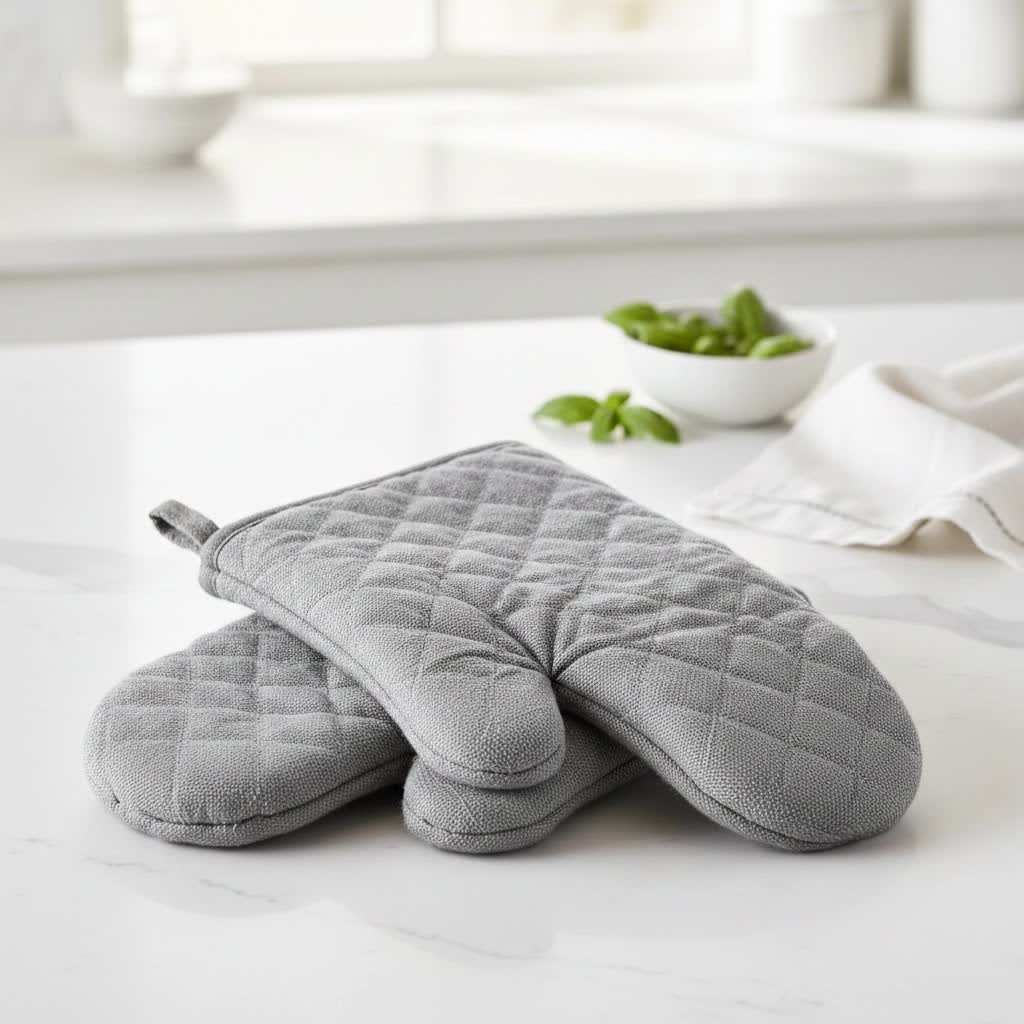
Stepping into a hot kitchen can be a truly rewarding experience, but handling sizzling pans and scorching oven racks without proper protection can quickly turn a culinary adventure into a painful mishap. Every home cook, from the casual baker to the serious grill master, understands the constant dance with extreme heat. That’s where High Temperature Oven Mitts become your essential kitchen companions, offering a shield that allows you to confidently conquer the hottest tasks, ensuring safety and precision with every grab. This comprehensive guide will navigate you through the world of heat-resistant hand protection, helping you choose the perfect pair to keep your hands safe and your cooking seamless.
Popular Types of High Temperature Oven Mitts
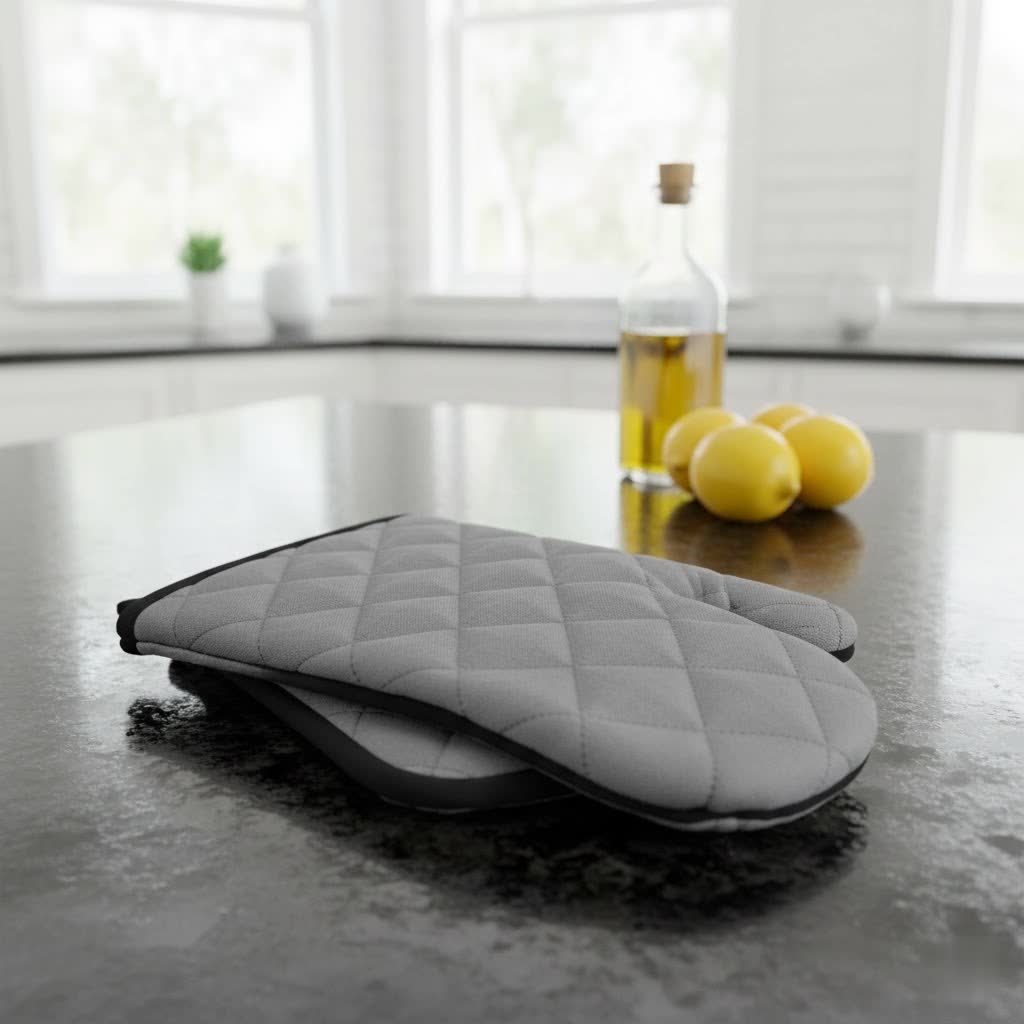
Not all heat protection is created equal. Understanding the different types of high temperature oven mitts available is the first step to finding your ideal match, each designed with specific strengths to tackle varying heat levels and cooking scenarios.
Fabric Oven Mitts
|
Our Picks for the Best Oven Mitts in 2026
We may earn a commission when you use one of our links to make a purchase.
|
||
| Num | Product | Action |
|---|---|---|
| 1 | KITCHENAID Ribbed Soft Silicone Oven Mitt 2-Pack Set, 7.5"x13", Milkshake |

|
| 2 | KITCHENAID Ribbed Soft Silicone Oven Mitt 2-Pack Set, 7.5"x13", Aqua Sky |
|
| 3 | BPA-Free Soft Silicone 4 Piece Oven Mitts & Trivets Set - Ultra Heat Resistant Oven Mitts with Thick Cotton Liner - Long Slip Resistant Pot Holders, Flexible Oven Gloves - Aqua |
|
| 4 | KITCHENAID Ribbed Soft Silicone Oven Mitt 2-Pack Set, 7.5"x13", Blue Velvet |
|
| 5 | BPA-Free Soft Silicone Oven Mitts - Ultra Heat Resistant Oven Mitts with Thick Cotton Liner - Extra Long Slip Resistant Pot Holders, Flexible Oven Gloves - Aqua/Black 14.7" |
|
| 6 | KITCHENAID Ribbed Soft Silicone Oven Mitt 2-Pack Set, 7.5"x13", Beet |
|
| 7 | KITCHENAID Ribbed Soft Silicone Oven Mitt 2-Pack Set, 7.5"x13", Bird of Paradise |
|
| 8 | BPA-Free Silicone Oven Mitts Ultra Heat Resistant up to 500°F - Oven Mitts with Thick Cotton Liner - Long Slip Resistant Pot Holders, Flexible Oven Gloves - Black 13.7" |
|
| 9 | KITCHENAID Ribbed Soft Silicone Oven Mitt 2-Pack Set, 7.5"x13", Blue Willow |
|
| 10 | The Ove Glove - Superior Heat & Flame Hand Protection - Pack of 2 Oven Mitts |
|
Often featuring thick layers of cotton or cotton blends, traditional fabric oven mitts are widely available and come in countless styles. While generally more affordable and comfortable for light baking tasks, their heat resistance is typically lower, often maxing out around 350-450°F. They offer good flexibility and a soft feel, making them easy to manipulate, but they are susceptible to absorbing moisture. A damp fabric mitt can quickly lead to dangerous steam burns when contacting a hot surface, significantly compromising their protective capabilities.
Silicone Oven Mitts
Silicone oven mitts have surged in popularity due to their superior heat resistance and practical benefits. Capable of withstanding temperatures from 500°F up to 650°F, and sometimes even higher for specialized models, silicone provides excellent protection against direct heat. Its non-porous nature makes it waterproof and steam-resistant, a crucial advantage over fabric mitts, preventing hazardous steam burns. Silicone mitts are also remarkably easy to clean – most can be wiped down or even tossed in the washing machine. However, some silicone designs can feel stiffer or less flexible than fabric, and an untextured surface might compromise grip.
Aramid Fiber Oven Mitts (Kevlar/Nomex)
For extreme heat applications like grilling, managing a wood-fired pizza oven, or handling intensely hot cast iron, mitts made from aramid fibers like Kevlar or Nomex are unparalleled. These advanced materials are engineered for industrial-grade heat resistance, often protecting hands in temperatures ranging from 540°F to over 900°F, and even up to 2000°F for brief contact in specialized scenarios. Often designed in a glove style with individual fingers, they offer exceptional dexterity, allowing for a more secure and precise grip on tools and cookware. While they come at a higher price point, their durability and superior protection make them a worthwhile investment for serious high-heat cooking.
Leather Oven Mitts
Though less common specifically as “oven mitts” for indoor use, heavy-duty leather gloves are often employed for grilling and barbecue. Leather offers good durability and substantial heat resistance, molding to your hand over time for a comfortable fit. They provide a rustic aesthetic and can withstand sparks and embers, but they are not typically machine washable and require specific care to maintain their integrity.
Essential Criteria for Choosing High Temperature Oven Mitts
Selecting the right high temperature oven mitts is more than just picking a color. It involves evaluating several critical factors to ensure maximum safety, comfort, and effectiveness in your kitchen.
Heat Resistance Rating
This is the most crucial factor. Always check the manufacturer’s stated maximum temperature. For standard oven baking, mitts rated to at least 450°F are generally sufficient. However, if you frequently broil, use cast iron cookware, bake sourdough bread in a Dutch oven, or engage in high-temperature grilling, opt for mitts rated at 500°F or higher. Specialized grilling gloves can offer protection up to 900°F. Matching the mitt’s rating to your typical cooking temperatures is key to preventing burns.
Material
The material directly impacts heat resistance, grip, and flexibility.
- Silicone: Best for moisture and steam resistance, high heat, and easy cleaning. Look for textured silicone for a better grip.
- Aramid Fibers (Kevlar/Nomex): Offers the highest heat protection and often superior dexterity, especially in glove formats.
- Thick Cotton/Blends: More flexible and comfortable for moderate heat, but avoid if damp and less suitable for extreme temperatures.
Length
Consider how much of your arm needs protection. Standard oven mitts usually cover the hand and wrist, but longer mitts, often extending up the forearm, are invaluable for reaching deep into hot ovens, tending to grills, or handling large, heavy roasting pans that might accidentally brush against hot surfaces. An extended cuff provides an extra layer of defense against accidental contact.
Grip and Dexterity
A secure grip is paramount for safely handling hot and heavy cookware. Look for mitts with textured surfaces, especially silicone with non-slip patterns, to prevent slips and drops. Dexterity is equally important; while traditional mitts offer less finger articulation, glove-style mitts with individual fingers provide maximum control, allowing you to confidently grasp, rotate, and maneuver dishes. Test the mitts to ensure you can comfortably hold various pot handles and baking sheets.
Comfort and Fit
An ill-fitting mitt can be a hazard. Ensure the mitt fits snugly but comfortably, allowing for full hand movement without feeling too loose or restrictive. A soft, insulated lining (often cotton) inside silicone or aramid fiber mitts can significantly enhance comfort, especially during prolonged use. Some mitts are designed for different hand sizes, so check for sizing information if available.
Ease of Cleaning
Kitchen tools are prone to spills and splatters. Many fabric mitts are machine washable, making cleanup straightforward. Silicone mitts can often be simply wiped clean with a damp cloth, or some are machine washable. Always check the care instructions provided by the manufacturer to ensure proper maintenance and longevity.
Comparison of Popular Oven Mitt Types
| Type of Oven Mitt | Key Advantages | Key Disadvantages | Typical Heat Resistance | Ideal Use Cases |
|---|---|---|---|---|
| Fabric (Cotton/Blends) | Affordable, good flexibility, comfortable | Lower heat resistance, susceptible to steam burns if wet | Up to 450°F | Light baking, moderate oven use |
| Silicone | Excellent high heat protection, waterproof, easy to clean, steam resistant | Can be less flexible, may feel bulky, some can be slippery | 500°F – 650°F+ | High-temp baking, cast iron, wet food handling |
| Aramid Fiber (Kevlar/Nomex) | Extreme heat resistance, often high dexterity (glove style) | Higher cost, less common for casual use, may not be waterproof | 540°F – 900°F+ | Grilling, pizza ovens, very hot cast iron, industrial |
| Leather | Durable, good heat resistance (especially for radiant heat), stylish | Requires specific care, not typically machine washable, less dexterity | Up to 450°F+ | Grilling, outdoor cooking |
Top High Temperature Oven Mitts for Every Kitchen
Based on extensive testing and user feedback, here are some of the most highly-rated high temperature oven mitts that deliver exceptional performance and safety.
Williams Sonoma Ultimate Oven Mitt
This mitt pairs a robust silicone exterior with a comfortable cotton canvas extended cuff, offering superb heat protection up to 650°F. Its extra-long design shields forearms, making it perfect for deep ovens and heavy Dutch ovens. It boasts a flexible feel and a secure grip, ideal for tasks like bread baking or roasting.
KitchenAid Ribbed Soft Silicone Oven Mitt Set
An excellent value option, this set provides solid protection up to 500°F. The soft silicone exterior, covering most of the mitt, ensures good heat insulation, while its ribbed texture enhances grip. They are easy to wipe clean, and their vibrant color options make them a stylish addition to any kitchen.
Big Red House Oven Mitts
These mitts stand out for their versatility and comfort, featuring a cotton exterior with a polyester lining and a rubberized texture for enhanced grip. While rated for temperatures up to 480°F, they offer a streamlined fit and good flexibility, making them suitable for everyday high-temperature oven use, though they are not recommended for ultra-high heat grilling.
> “The best oven mitt is one you trust completely. It should disappear as you work, allowing you to focus on the food, not the fear of a burn.” – Chef Isabella Moretti, Head Pastry Chef and Culinary Instructor
Conclusion
Choosing the right high temperature oven mitts is a critical decision for anyone who spends time in the kitchen. Investing in a quality pair that aligns with your cooking style and heat exposure needs can prevent painful burns, enhance your confidence, and make your culinary endeavors more enjoyable and efficient. Whether you opt for the versatility of silicone, the extreme protection of aramid fibers, or the classic comfort of a fabric blend, prioritizing heat resistance, grip, length, and cleanability will ensure your hands remain safe, allowing you to focus on creating delicious meals.
What’s the hottest dish you’re planning to tackle next with your new, super-safe oven mitts?
Frequently Asked Questions
How do I properly clean my high temperature oven mitts?
Always check the care tag for specific instructions. Most fabric oven mitts are machine washable. Silicone mitts can often be wiped clean with a damp cloth or sponge, and many are also machine washable. Avoid harsh chemicals that could degrade the heat-resistant properties.
Can I use damp oven mitts for hot dishes?
Absolutely not. Using a damp or wet oven mitt can be extremely dangerous. The moisture can rapidly turn into steam upon contact with a hot surface, transferring heat instantly and causing severe steam burns. Always ensure your oven mitts are completely dry before use.
What’s the difference between an oven mitt and a grilling glove?
While both provide heat protection, grilling gloves are typically designed for higher temperatures (up to 900°F or more), often made from aramid fibers, and are glove-style for maximum dexterity when handling grilling tools and hot grates. Oven mitts are usually mitten-style, designed for general oven use, and typically have lower maximum temperature ratings.
How often should I replace my oven mitts?
The lifespan of oven mitts varies depending on their material, frequency of use, and care. Inspect them regularly for signs of wear, thinning, tears, or scorch marks. If you notice any degradation in their integrity, especially the inner lining or outer material, it’s time to replace them to ensure continued protection.
Are silicone oven mitts safe for food contact?
Yes, food-grade silicone oven mitts are perfectly safe for kitchen use and direct contact with food if they meet food-grade standards. They are designed to withstand a wide range of temperatures and are non-toxic.