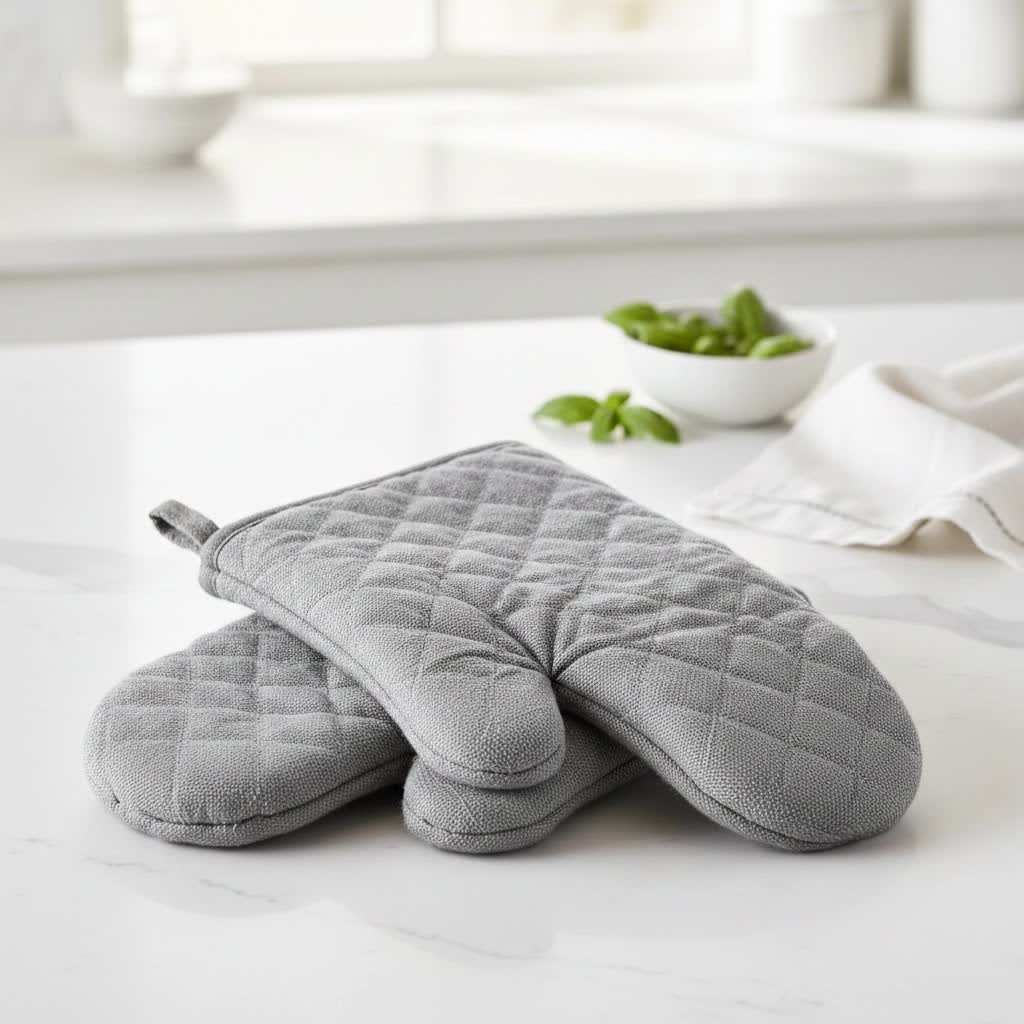
Stepping into the kitchen, the aroma of a freshly baked casserole or a sizzling roast fills the air. But before you reach for that piping hot dish, a crucial guardian stands between your hands and intense heat: the oven mitt. While modern kitchens boast an array of high-tech solutions, the humble cotton oven mitt continues to hold a special place, revered for its classic comfort and versatile performance. But are these traditional protectors still the best choice for today’s busy cooks, or have newer materials surpassed their utility? Let’s explore the world of oven mitts, with a special focus on the timeless appeal and practical considerations of cotton.
Popular Types of Oven Mitts
The market offers a diverse range of oven mitt materials, each with unique characteristics catering to different culinary needs and preferences. Understanding these differences is key to making an informed choice for your kitchen.
Cotton Oven Mitts
Cotton oven mitts are the quintessential kitchen staple, often evoking a sense of nostalgia and homeliness. They are prized for their soft texture, breathability, and exceptional comfort, making them a popular choice for everyday cooking tasks.
- Advantages:
- Comfort and Flexibility: The natural fibers of cotton provide a soft, comfortable feel and excellent flexibility, allowing for good finger movement and dexterity when handling various kitchenware. This makes them easy to wear for extended periods and simple to put on and take off.
- Breathability: Cotton is a breathable material, which can help reduce sweating and discomfort during prolonged use in a warm kitchen.
- Affordability: Generally, cotton oven mitts are more budget-friendly than their synthetic counterparts.
- Aesthetic Appeal: Available in a vast array of colors, patterns, and designs, cotton mitts easily complement any kitchen decor, adding a touch of classic charm.
- Easy to Clean: Most cotton oven mitts are machine washable, simplifying maintenance and hygiene.
- Disadvantages:
- Lower Heat Resistance: Compared to materials like silicone or aramid, 100% cotton typically offers less heat protection, especially during prolonged contact with very hot surfaces.
- Compromised When Wet: Cotton absorbs liquids, which significantly reduces its insulating properties and can lead to steam burns if wet mitts are used on hot items.
- Shorter Lifespan: While durable for many tasks, cotton can wear out faster than synthetic materials, particularly with frequent exposure to high heat and washing.
- Limited Grip: Plain cotton can sometimes be slick, making it harder to maintain a secure grip on smooth or heavy pans.
|
Our Picks for the Best Oven Mitts in 2026
We may earn a commission when you use one of our links to make a purchase.
|
||
| Num | Product | Action |
|---|---|---|
| 1 | BPA-Free Soft Silicone 4 Piece Oven Mitts & Trivets Set - Ultra Heat Resistant Oven Mitts with Thick Cotton Liner - Long Slip Resistant Pot Holders, Flexible Oven Gloves - Aqua |

|
| 2 | KITCHENAID Ribbed Soft Silicone Oven Mitt 2-Pack Set, 7.5"x13", Milkshake |
|
| 3 | BPA-Free Silicone Oven Mitts Ultra Heat Resistant up to 500°F - Oven Mitts with Thick Cotton Liner - Long Slip Resistant Pot Holders, Flexible Oven Gloves - Black 13.7" |
|
| 4 | KITCHENAID Ribbed Soft Silicone Oven Mitt 2-Pack Set, 7.5"x13", Blue Velvet |
|
| 5 | KITCHENAID Ribbed Soft Silicone Oven Mitt 2-Pack Set, 7.5"x13", Blue Willow |
|
| 6 | The Ove Glove - Superior Heat & Flame Hand Protection - Pack of 2 Oven Mitts |
|
| 7 | KITCHENAID Ribbed Soft Silicone Oven Mitt 2-Pack Set, 7.5"x13", Beet |
|
| 8 | BPA-Free Soft Silicone Oven Mitts - Ultra Heat Resistant Oven Mitts with Thick Cotton Liner - Extra Long Slip Resistant Pot Holders, Flexible Oven Gloves - Aqua/Black 14.7" |
|
| 9 | KITCHENAID Ribbed Soft Silicone Oven Mitt 2-Pack Set, 7.5"x13", Bird of Paradise |
|
| 10 | KITCHENAID Ribbed Soft Silicone Oven Mitt 2-Pack Set, 7.5"x13", Aqua Sky |
|
Silicone Oven Mitts
Silicone mitts have surged in popularity due to their high heat resistance and waterproof nature. They excel at protecting against steam and hot liquids and are easy to clean, often being dishwasher-safe. However, their rigidity can sometimes compromise dexterity and comfort, feeling less flexible than fabric alternatives.
Leather Oven Mitts
Often favored by grill masters and for heavy-duty tasks, leather oven mitts offer excellent durability and heat resistance. They are rugged and stylish but typically less flexible than cotton, can be more expensive, and require special care (not usually machine washable).
Nomex/Kevlar Oven Mitts
These high-performance mitts, made from aramid fibers like Nomex and Kevlar, provide superior heat protection, often used in professional kitchens or for extreme temperatures. They are incredibly safe but come at a higher price point and may not offer the same level of comfort or aesthetic variety as cotton.
Hybrid Oven Mitts
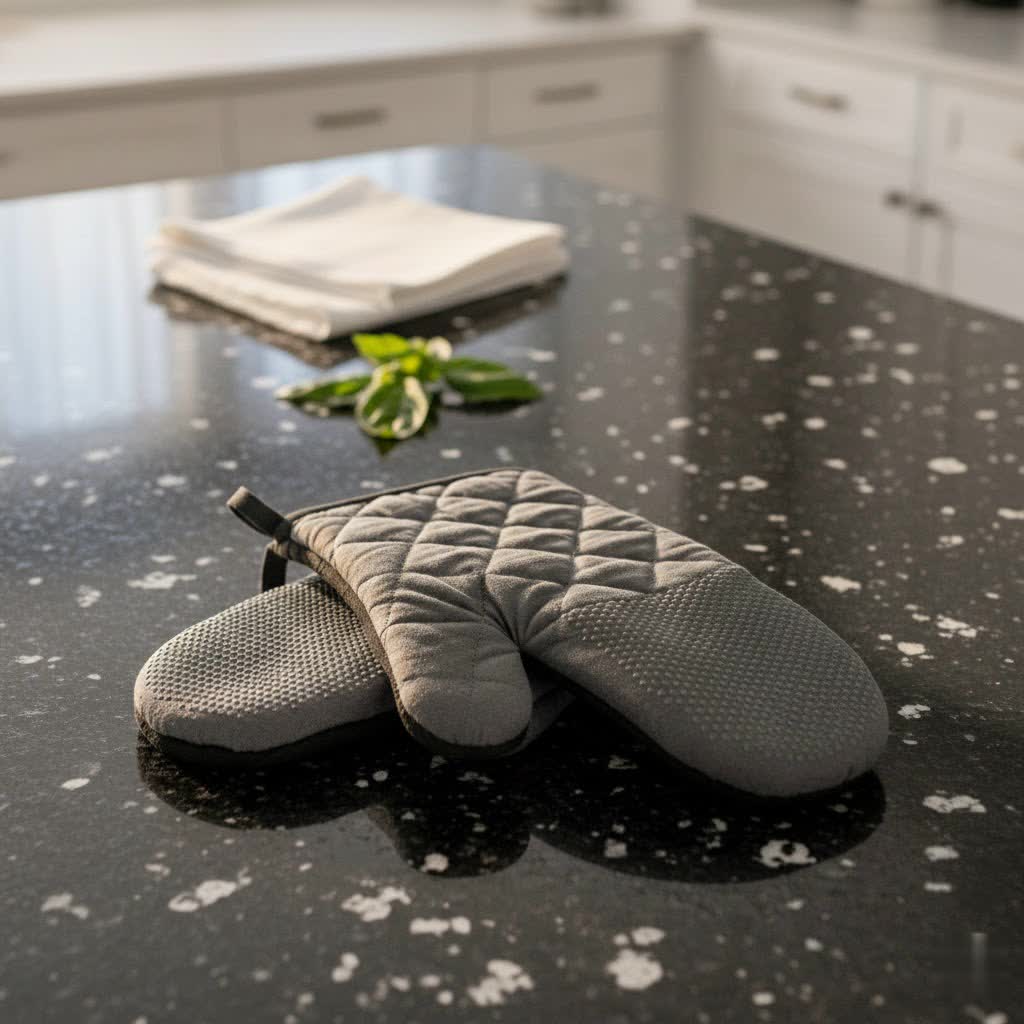
To address the limitations of single-material mitts, many manufacturers now offer hybrid designs. These typically feature a soft cotton lining for comfort and breathability combined with a silicone exterior or patterned silicone grips. This blend offers the best of both worlds: the comfort and flexibility of cotton on the inside, with the enhanced heat resistance, waterproof properties, and superior grip of silicone on the outside.
Choosing the Right Oven Mitts: A Buying Guide
Selecting the perfect oven mitt involves balancing safety, comfort, and functionality. Here are the key factors to consider:
Heat Resistance
The primary function of an oven mitt is to protect your hands from heat. Consider the maximum temperatures you typically work with in your oven, stove, or grill. While cotton alone offers decent protection for moderate heat, tasks involving very high temperatures (over 400°F/200°C) or prolonged contact might warrant hybrid mitts with silicone or other heat-resistant layers. Always check the manufacturer’s specified temperature rating.
Material
Your choice of material significantly impacts performance.
- 100% Cotton: Ideal for everyday baking, light cooking, and those who prioritize comfort and a classic feel. Look for thicker, quilted cotton for better insulation.
- Cotton-Blend/Hybrid: If you want the comfort of cotton with enhanced protection and grip, opt for cotton mitts featuring silicone patterns or a full silicone exterior with a cotton lining. These offer a great balance for a wider range of kitchen tasks.
- Silicone, Leather, Aramid: Consider these if your primary need is extreme heat protection, waterproofing, or heavy-duty use, understanding that they may sacrifice some comfort and flexibility.
Length
The length of an oven mitt is crucial for protecting not just your hands, but also your wrists and forearms from accidental burns when reaching into deep ovens or over hot stovetops. Longer mitts provide more comprehensive coverage, which is particularly beneficial when handling large or awkward dishes. Shorter mitts may offer more flexibility but leave more skin exposed.
Fit and Dexterity
A well-fitting oven mitt should be snug enough to offer control without being restrictive, allowing you to grip items securely. While some thick mitts (even cotton ones) can reduce dexterity, cotton generally provides better flexibility and allows for more natural hand movement compared to rigid silicone options. This improved tactile feel can prevent drops and enhance safety.
Ease of Cleaning
Kitchen tools inevitably get dirty. Look for mitts that are easy to maintain. Most cotton and hybrid mitts are machine washable, which is a significant advantage for hygiene and convenience. Silicone exteriors are often wipeable or dishwasher-safe.
Grip Technology
Plain cotton, especially when worn smooth, can lead to slippery situations. Many cotton and hybrid mitts now incorporate textured surfaces, silicone patterns, or rubberized prints to enhance grip. This feature is vital for securely holding heavy casseroles, slippery baking sheets, or hot pot handles.
Comparative Table of Oven Mitt Materials
| Type of Oven Mitt | Key Advantages | Key Disadvantages | Typical Heat Resistance |
|---|---|---|---|
| Cotton | Comfortable, flexible, breathable, affordable, classic aesthetic, machine washable | Lower heat resistance, poor wet performance, shorter lifespan, can be slick without added grip | Moderate (up to ~350°F / 175°C) |
| Silicone | High heat resistance, waterproof, excellent grip, easy to clean, durable | Less flexible, can feel bulky, less breathable, often higher cost | High (up to ~500°F / 260°C) |
| Leather | Very durable, good heat resistance, stylish for grilling | Less flexible, requires special cleaning, often higher cost, not waterproof | High (up to ~450°F / 230°C) |
| Nomex/Kevlar | Extreme heat resistance, industrial-grade protection | High cost, often bulky, less tactile feedback, specific care requirements | Very High (up to ~900°F / 480°C) |
| Hybrid (Cotton/Silicone) | Balances comfort & flexibility of cotton with heat resistance & grip of silicone, waterproof exterior | Can be more expensive than pure cotton, some bulkiness | High (up to ~450-500°F / 230-260°C) |
Top-Rated Cotton and Cotton-Blend Oven Mitts for Every Cook
The best oven mitts blend safety with user experience. For those who appreciate the comfort and flexibility of cotton, there are several excellent options, ranging from traditional designs to innovative hybrids.
Enhanced Cotton Options
These mitts maintain a predominantly cotton construction but incorporate features to boost their protective capabilities. Look for multi-layered quilting, dense insulation, or hidden heat-resistant linings that improve thermal barriers without sacrificing the familiar soft feel. Many also feature textured fabric weaves or subtle rubberized patterns for a better grip on hot dishes, allowing you to confidently move items from oven to countertop.
Silicone-Coated Cotton Hybrids
Often hailed as the ultimate compromise, hybrid mitts offer a soft cotton interior for breathability and comfort against your skin, paired with a resilient silicone outer layer. This combination delivers superior heat resistance and a non-slip grip that’s perfect for handling heavy or slippery cookware. The silicone shell also provides a waterproof barrier, guarding against steam and hot liquid splashes, making them incredibly versatile for various kitchen tasks.
Traditional Quilted Cotton
For lighter baking or everyday use, traditional quilted cotton oven mitts remain a beloved choice. Their comfort and range of delightful patterns make them a favorite for home cooks who value aesthetics and a familiar, soft touch. While they may not withstand extreme temperatures as long as other types, they are perfectly suitable for quick transfers of moderately hot items and add a timeless touch to any kitchen.
Conclusion
Choosing the right oven mitt is a personal decision, deeply tied to your cooking habits, safety priorities, and comfort preferences. While advanced materials like silicone and aramid offer impressive heat protection, cotton oven mitts, especially modern enhanced or hybrid versions, continue to stand out for their unparalleled comfort, flexibility, and aesthetic versatility. They provide a practical, breathable solution for a vast array of kitchen tasks, helping to prevent burns and enhance your cooking experience.
So, whether you’re a seasoned chef or a casual home baker, consider the timeless benefits of cotton. What’s your preferred oven mitt material, and what features do you value most in your kitchen safety gear?