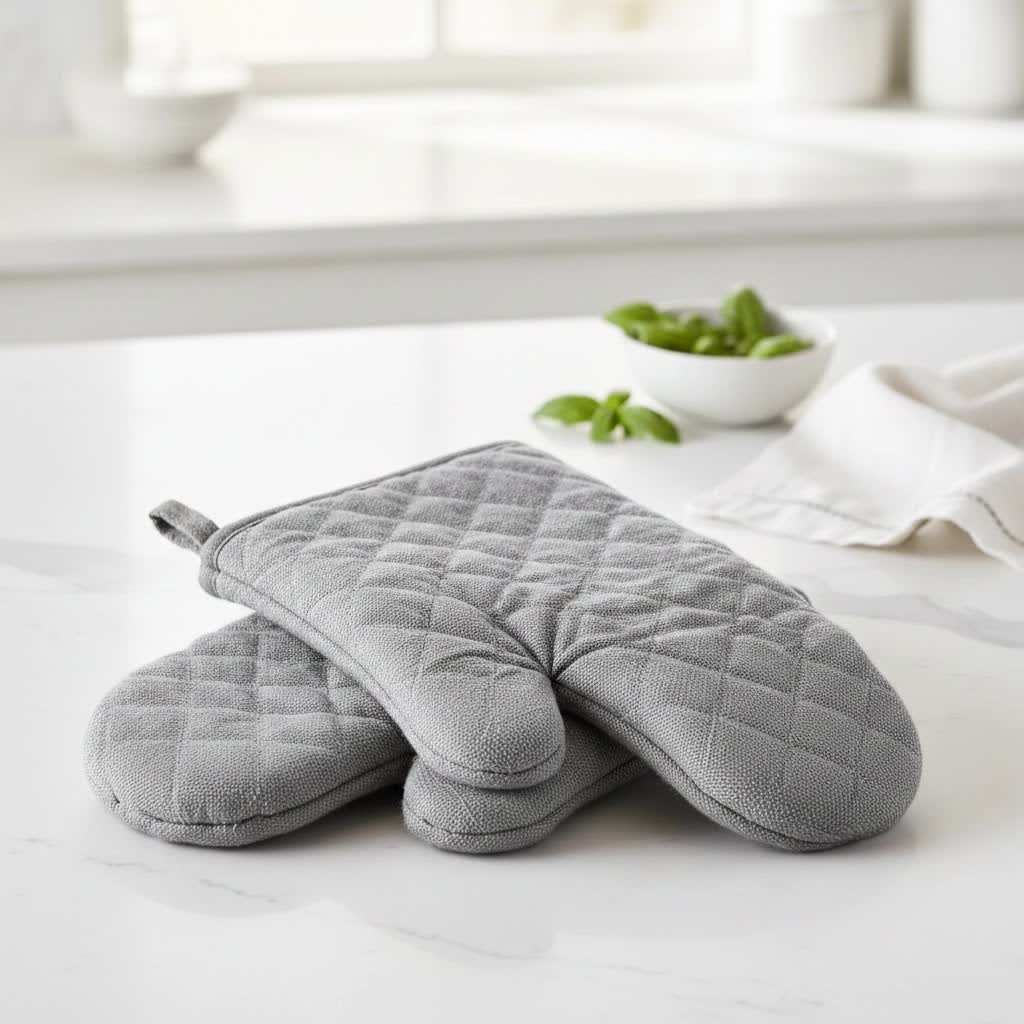
Navigating a hot kitchen can be a precarious dance, where a moment’s lapse in judgment can lead to a painful burn. From pulling a sizzling cast-iron skillet out of a scorching oven to delicately rearranging baking sheets, your hands are constantly at risk. While traditional oven mitts offer a shield, many home cooks and professional chefs are discovering the unparalleled control and safety provided by Oven Finger Mitts. These specialized gloves, designed with individual finger compartments, transform how you interact with hot cookware, offering a blend of protection and dexterity that redefines kitchen safety. If you’ve ever fumbled with a bulky mitt or wished for a better grip, it’s time to explore how the right oven finger mitts can revolutionize your cooking experience.
Understanding Oven Mitts: The Rise of Finger Mitts
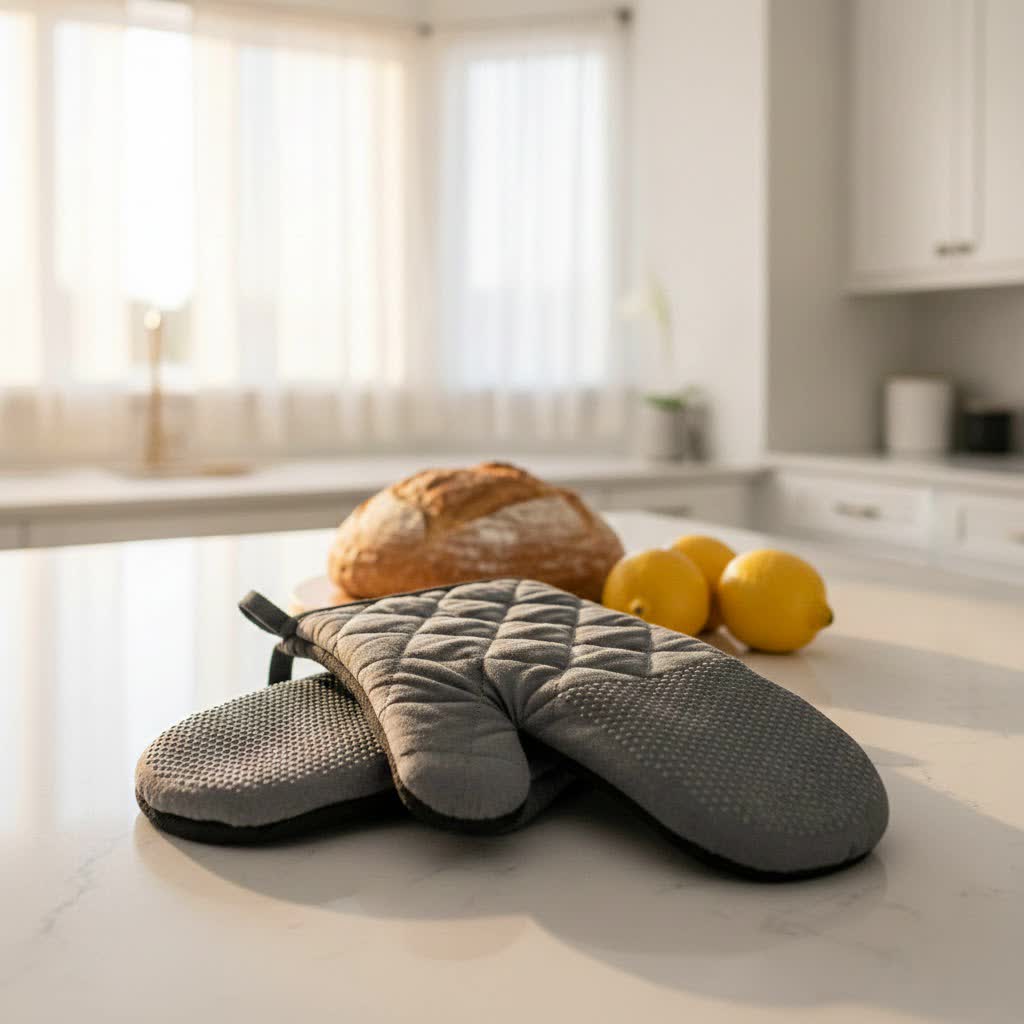
For generations, the classic oven mitt, a single padded pouch for your hand, has been the go-to for handling hot items. While effective for basic protection, its design often limits fine motor control. The emergence of oven finger mitts, essentially heat-resistant gloves, addresses this crucial gap. By separating your fingers, these innovative mitts provide a level of dexterity akin to using your bare hands, but with robust thermal insulation. This enhanced agility is a game-changer for tasks requiring precision, such as gripping small pot handles, manipulating grill tools, or even carving a hot roast directly from the oven. They represent an evolution in kitchen safety, moving beyond mere heat barriers to empowering confident and controlled handling.
Types of Oven Finger Mitts and Their Materials
The material composition of oven finger mitts is paramount to their performance, influencing heat resistance, grip, flexibility, and longevity. Different materials cater to various cooking styles and temperature requirements.
Cotton Oven Finger Mitts
Cotton, often blended with other fibers for enhanced protection, forms the basis of many traditional oven mitts. When crafted into finger-style gloves, they offer a familiar, comfortable feel.
- Pros: Generally more flexible and softer than other materials, offering decent comfort and breathability. They are typically machine washable and come in a wide array of patterns and colors.
- Cons: Cotton’s heat resistance is lower compared to synthetic alternatives, usually protecting up to 200-250°F. It can absorb moisture, which compromises its insulating properties and makes it unsuitable for handling wet or steamy items directly from a hot environment. Prolonged exposure to high heat can lead to scorching.
|
Our Picks for the Best Oven Mitts in 2026
We may earn a commission when you use one of our links to make a purchase.
|
||
| Num | Product | Action |
|---|---|---|
| 1 | KITCHENAID Ribbed Soft Silicone Oven Mitt 2-Pack Set, 7.5"x13", Milkshake |

|
| 2 | KITCHENAID Ribbed Soft Silicone Oven Mitt 2-Pack Set, 7.5"x13", Bird of Paradise |
|
| 3 | BPA-Free Soft Silicone Oven Mitts - Ultra Heat Resistant Oven Mitts with Thick Cotton Liner - Extra Long Slip Resistant Pot Holders, Flexible Oven Gloves - Aqua/Black 14.7" |
|
| 4 | KITCHENAID Ribbed Soft Silicone Oven Mitt 2-Pack Set, 7.5"x13", Blue Willow |
|
| 5 | KITCHENAID Ribbed Soft Silicone Oven Mitt 2-Pack Set, 7.5"x13", Beet |
|
| 6 | BPA-Free Soft Silicone 4 Piece Oven Mitts & Trivets Set - Ultra Heat Resistant Oven Mitts with Thick Cotton Liner - Long Slip Resistant Pot Holders, Flexible Oven Gloves - Aqua |
|
| 7 | KITCHENAID Ribbed Soft Silicone Oven Mitt 2-Pack Set, 7.5"x13", Blue Velvet |
|
| 8 | KITCHENAID Ribbed Soft Silicone Oven Mitt 2-Pack Set, 7.5"x13", Aqua Sky |
|
| 9 | The Ove Glove - Superior Heat & Flame Hand Protection - Pack of 2 Oven Mitts |
|
| 10 | BPA-Free Silicone Oven Mitts Ultra Heat Resistant up to 500°F - Oven Mitts with Thick Cotton Liner - Long Slip Resistant Pot Holders, Flexible Oven Gloves - Black 13.7" |
|
Silicone Oven Finger Mitts
Silicone has become a dominant material in modern kitchenware due to its excellent heat resistance and non-slip properties. Silicone finger mitts are a popular choice for their robust protection.
- Pros: Offers superior heat resistance, often up to 500°F or more, making them ideal for high-temperature cooking. Silicone is waterproof and steam-resistant, providing reliable protection against hot liquids and steam. The textured surface of many silicone mitts provides an exceptional non-slip grip, even on greasy or wet surfaces. They are also very easy to clean.
- Cons: Can sometimes be less flexible than fabric gloves, leading to a bulkier feel. Some users may find them less breathable, leading to sweaty hands during extended use. The fit can be critical; a poor fit can still reduce dexterity.
Hybrid (Fabric/Silicone or Neoprene) Oven Mitts
Many contemporary oven mitts combine materials to leverage the best properties of each. A common hybrid design features a cotton or synthetic fabric interior for comfort and breathability, paired with a silicone exterior or patches for enhanced grip and heat resistance. Neoprene, a synthetic rubber, is another material used for its heat, oil, and water resistance, often seen in industrial-grade kitchen gloves or those designed for grilling.
- Pros: Offers a balanced approach, combining the comfort and flexibility of fabric with the superior heat and slip resistance of silicone or neoprene. They provide versatility for a wider range of kitchen tasks.
- Cons: Performance can vary widely depending on the quality and proportion of materials used. They might not offer the extreme heat protection of specialized synthetic fibers, nor the full flexibility of pure cotton.
Specialized High-Heat Resistant Gloves (e.g., Nomex/Kevlar)
For tasks involving extremely high temperatures, such as grilling, deep frying, or professional culinary applications, specialized gloves made from aramid fibers like Nomex and Kevlar are often preferred. These materials are also used in firefighting gear and industrial safety equipment.
- Pros: Provides exceptional heat resistance, often capable of withstanding temperatures exceeding 900°F. They are typically designed as five-finger gloves, offering outstanding dexterity and a secure grip for heavy-duty tasks.
- Cons: Often more expensive than other types. While highly effective against dry heat, some designs may not offer the same level of protection against steam or hot liquids unless treated or combined with other materials. They are generally not as soft or comfortable as cotton options.
Key Criteria for Choosing Your Perfect Oven Finger Mitts
Selecting the right pair of oven finger mitts is a personal choice that depends on your cooking habits, the temperatures you work with, and your comfort preferences. Consider these factors before making your decision.
Heat Resistance: Protecting Your Hands
The primary function of any oven mitt is to protect your hands from heat. Always check the manufacturer’s stated temperature rating. If you frequently bake at 400°F (200°C) or higher, or use a grill, opt for mitts with a higher heat resistance, such as those made from silicone or aramid fibers. Remember that heat resistance can degrade over time with repeated use and washing, especially for fabric mitts. Don’t push your luck; if you feel heat transferring, it’s time for new mitts.
Material Matters: Grip, Flexibility, and Durability
The material dictates both safety and ease of use. Silicone offers superior grip and protection against liquids, while cotton provides comfort and breathability. Hybrid options aim for a balance.
- Grip: Look for textured surfaces, especially on silicone mitts, to ensure a secure hold on slippery or heavy cookware. A good grip prevents accidental drops and spills.
- Flexibility: Finger mitts are chosen for dexterity, so ensure the material allows for a natural range of motion. Stiff mitts, even with finger slots, can still make delicate tasks difficult.
- Durability: High-quality materials and construction will ensure your mitts withstand repeated use and washing without losing their protective qualities. Reinforced stitching is a good indicator of durability.
Length and Coverage: Beyond Just Your Hands
While the focus is often on hand protection, many kitchen burns occur on the forearms when reaching deep into an oven or over hot grates.
- Length: Oven finger mitts come in various lengths. Shorter mitts offer more flexibility but less arm protection. Longer mitts, typically extending past the wrist and up the forearm, provide crucial additional coverage, especially when handling larger trays or reaching into deep ovens. Consider your common cooking tasks to determine the ideal length.
Fit and Dexterity: The Finger Advantage
The individual finger slots are the defining feature of oven finger mitts, designed to enhance dexterity.
- Fit: A good fit is crucial. Mitts that are too large can feel clumsy and reduce your ability to grip securely, while those that are too tight can be uncomfortable and restrict movement. Some brands offer different sizes to accommodate various hand shapes. Try them on, if possible, to ensure a snug but comfortable fit that allows full finger articulation.
- Dexterity: The ability to move each finger independently is invaluable. It allows for a more secure grasp on irregular shapes, delicate items, and even small utensils like tongs, without having to remove your hand protection. This precision minimizes the risk of accidents.
Ease of Cleaning: Practicality in the Kitchen
Kitchen mishaps are inevitable. Grease splatters, sauce drips, and food particles can accumulate on your mitts.
- Washability: Prioritize mitts that are easy to clean. Many cotton and hybrid mitts are machine washable, making maintenance simple. Silicone mitts can often be wiped clean with a damp cloth or rinsed under running water, and some are dishwasher safe. Easy cleaning ensures hygiene and prolongs the life of your mitts.
Comparison Table of Oven Mitt Materials
| Type of Oven Mitt | Pros | Cons | Heat Resistance (Approx.) | Dexterity (Finger Mitts) |
|---|---|---|---|---|
| Cotton | Comfortable, breathable, flexible, diverse designs, often affordable. | Lower heat resistance, absorbs moisture, can scorch or burn. | Up to 250°F (121°C) | Moderate to good (dependent on padding) |
| Silicone | High heat resistance, waterproof, excellent non-slip grip, easy to clean. | Can be bulky/stiff, less breathable, may cause sweaty hands. | Up to 500°F (260°C) | Good to excellent (dependent on flexibility) |
| Hybrid (Fabric/Silicone) | Balances comfort, flexibility, and enhanced heat/grip. | Performance varies by design, can still be bulky, may absorb moisture on fabric parts. | Up to 450°F (232°C) | Good |
| High-Heat (Nomex/Kevlar) | Extreme heat protection, highly durable, often glove-style for precision. | Higher cost, can be less soft, not always ideal for wet/steamy conditions. | Up to 932°F+ (500°C+) | Excellent |
Top-Rated Oven Finger Mitts for Every Kitchen
Finding the perfect pair of oven finger mitts can significantly improve your safety and efficiency in the kitchen. Here are some highly regarded options that offer excellent protection and dexterity.
The ‘Ove’ Glove
A classic in the realm of finger-style oven protection, The ‘Ove’ Glove gained popularity for its innovative approach to heat resistance. It’s designed to provide ample flexibility, allowing users to handle a variety of cookware with ease and confidence. Its unique construction focuses on offering both robust thermal protection and the natural grip of a gloved hand.
LoveU. Silicone and Cotton Double Layer Oven Gloves
These gloves are celebrated for combining the best of both worlds: the high heat resistance and excellent grip of silicone with the comfort of a cotton interior. This dual-layer design ensures that your hands remain protected from extreme temperatures while feeling comfortable and secure. They are often praised for their versatility, making them suitable for everything from baking to grilling.
Grill Armor Extreme Resistant Oven Gloves
While often marketed for grilling, these gloves are an excellent choice for any high-heat kitchen task. Typically made with aramid fibers and featuring silicone grips, they offer outstanding heat resistance and superior dexterity. Their design allows for a firm, precise grip on hot grates, large roasts, and other challenging items, making them a favorite for serious cooks and barbecue enthusiasts.
Folkulture Mini Oven Mitts
For those who need quick, compact finger protection, Folkulture Mini Oven Mitts offer a practical solution. These smaller, often finger-specific mitts are perfect for handling hot lids, small baking dishes, or quickly moving items within a crowded oven. They provide adequate protection for your fingers without the bulk of a full-sized mitt, making them incredibly versatile for everyday kitchen use.
Conclusion
Choosing the right oven finger mitts is a critical decision for anyone who spends time in the kitchen. Moving beyond traditional mitts to the enhanced dexterity and protection of finger-style gloves can transform your cooking experience, making it safer and more efficient. By considering factors like heat resistance, material, length, fit, and ease of cleaning, you can find a pair that perfectly matches your culinary needs. Investing in quality oven finger mitts isn’t just about preventing burns; it’s about gaining confidence and control over every hot dish you create. What’s one kitchen task you’ve always wished you had more dexterity for with your oven mitts?
Câu Hỏi Thường Gặp
What is the primary advantage of oven finger mitts over traditional oven mitts?
The main advantage is enhanced dexterity. Oven finger mitts allow for individual finger movement, providing a more precise and secure grip on cookware, which traditional mitten-style mitts often cannot offer.
Are silicone oven finger mitts truly better than cotton ones for heat protection?
Generally, yes. Silicone offers significantly higher heat resistance, often protecting up to 500°F, and is waterproof, unlike cotton, which typically protects only up to 250°F and absorbs moisture, reducing its effectiveness.
How do I determine the right length for my oven finger mitts?
Consider the type of cooking you do. If you frequently reach deep into ovens or handle large, hot items, longer mitts that protect your forearms are advisable. For smaller tasks or air fryers, shorter finger mitts might be sufficient.
Can oven finger mitts be used for grilling?
Absolutely! Many oven finger mitts, especially those made from high-heat resistant materials like aramid fibers or durable silicone, are excellent for grilling due to their superior heat protection and the dexterity they provide for handling grill tools and hot grates.
How often should I replace my oven finger mitts?
The lifespan of your oven finger mitts depends on their material, frequency of use, and care. Inspect them regularly for thinning, tears, or signs of heat damage. If you start feeling heat transfer more quickly, it’s a clear sign they need to be replaced for optimal safety.